
Joint letter – ICC reform and expansion risks diverting ETS Revenues from real climate action
In light of the European Commission’s ongoing considerations to amend the ETS State Aid Guidelines, revising the rules for Indirec...
News
Publish date: September 27, 2005
News
The volumes of oil products transportation in the first half of 2005 stands for 86.1 million tons. Raw oil shipment by railway reduced on 12.3% and stands for 26.4 million tons. Export of raw oil reduced on 30% and stands for 15.7 million tons.
The railway export reduction of raw oil is explained by the significant growth of customs duties. The high customs duties force oil companies sell raw oil in the internal market and reprocess it at the Russian oil reprocessing plants. Reduction of oil shipments by YOUKOS is another important factor, influencing on shipment volumes, RusEnergy informs.
According to the specialists from the Russian Railways, oil is not the main cargo of the railways, the basic one is oil products. Railways started to transport oil when export volume was so high, that oil pipelines could not handle such volumes. The nowadays tendency is reduction of raw oil railway shipment, which is compensated by growth of oil products shipment.
The Russian Railways expects 5% growth of all oil products shipment in 2005 and reduction of raw oil transportation on 5 million tons.
In light of the European Commission’s ongoing considerations to amend the ETS State Aid Guidelines, revising the rules for Indirec...

By Amélie Laurent, CDR Policy Advisor, Bellona Europa Published in REVOLVE Today, EU countries approved Europe’s 2040 climate target:...
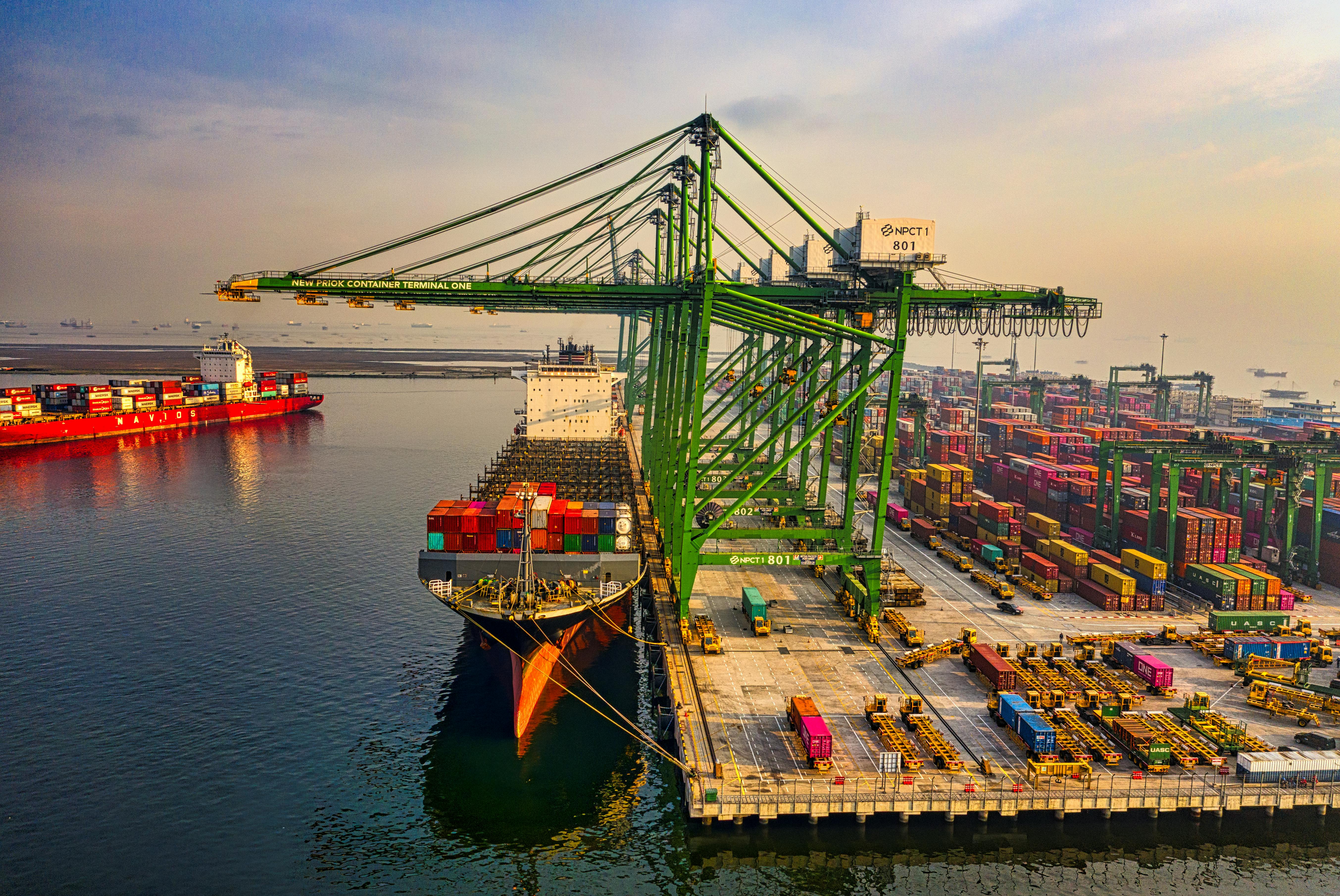
The new EU Ports Strategy rightly recognises that ports are no longer just logistics hubs – they are be...
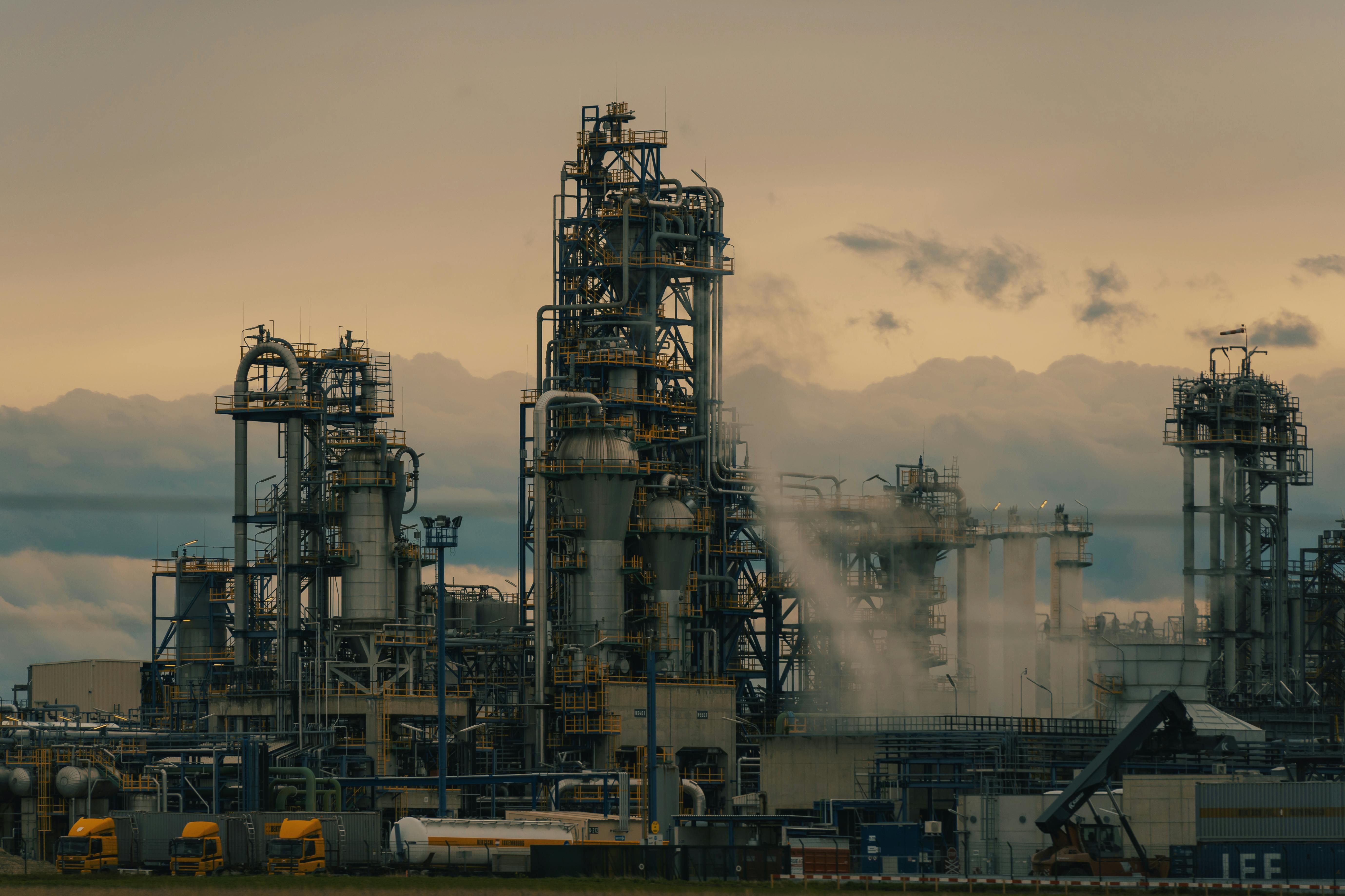
Three main asks: Set robust low-carbon definitions as soon as possible: Without clear thresholds, non-price criteria in procurement lack the dec...

On 24 February 2025, Bellona Europa co-hosted a breakfast seminar at Norway House in Brussels alongside ZERO and the Mission of Norway to the EU, bringing together policymakers, manufacturers, and procurement practitioners around a single conviction: European cities hold a decisive and largely untapped lever for decarbonising construction. With the revision of the EU Public Procurement Directives on the horizon, the moment to use it is now.
Get our latest news