
Joint letter – ICC reform and expansion risks diverting ETS Revenues from real climate action
In light of the European Commission’s ongoing considerations to amend the ETS State Aid Guidelines, revising the rules for Indirec...
News
Publish date: March 27, 2006
News
"The use of nuclear-powered submarines for guarding continental shelf borders in the Arctic is currently being studied at the Russian Navy Main Staff," the source said, adding that the greater part of the disputed Arctic shelf zone was below a thick icecap so systematic surveys could only be provided by nuclear subs.
The official explained that in order to delimit Russia’s state border in the Arctic along the continental shelf line, it was necessary to present detailed seabed maps of the disputed zone to the UN. "This is about Russia’s control over huge hydrocarbon reserves in these parts of the world oceans," he said.
Experts estimate that about 100 billion metric tons of oil-equivalent hydrocarbons are concentrated on Russia’s Arctic sea shelf. The sea shelf also contains major reserves of various types of solid-state minerals, including non-ferrous, rare-earth, and precious metals, reported RIA Novosti.
In light of the European Commission’s ongoing considerations to amend the ETS State Aid Guidelines, revising the rules for Indirec...

On March 10th 2026, the Commission presented the Clean Energy Investment Strategy, as part of an Energy package to boost investment in homegrown cle...

By Amélie Laurent, CDR Policy Advisor, Bellona Europa Published in REVOLVE Today, EU countries approved Europe’s 2040 climate target:...
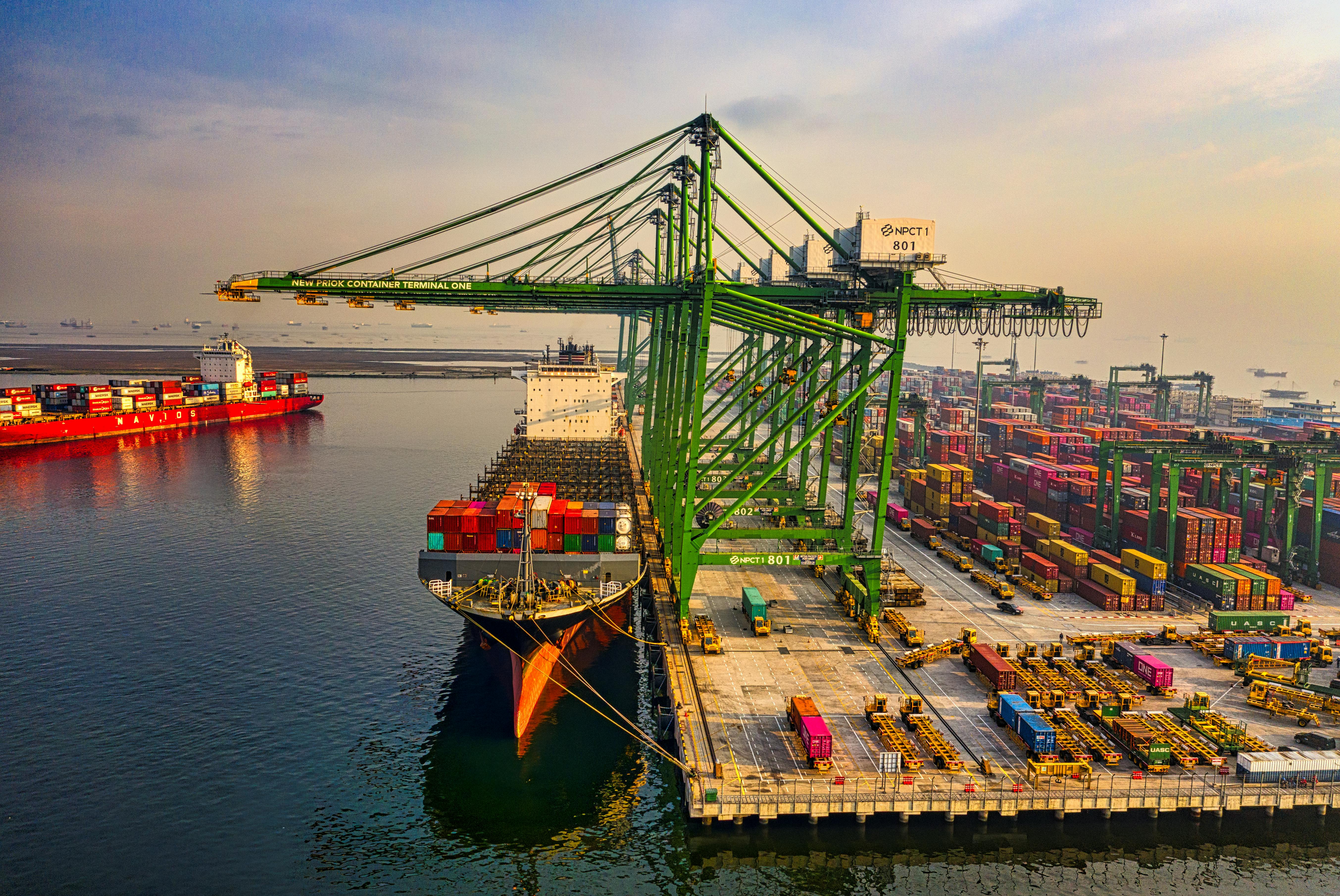
The new EU Ports Strategy rightly recognises that ports are no longer just logistics hubs – they are be...
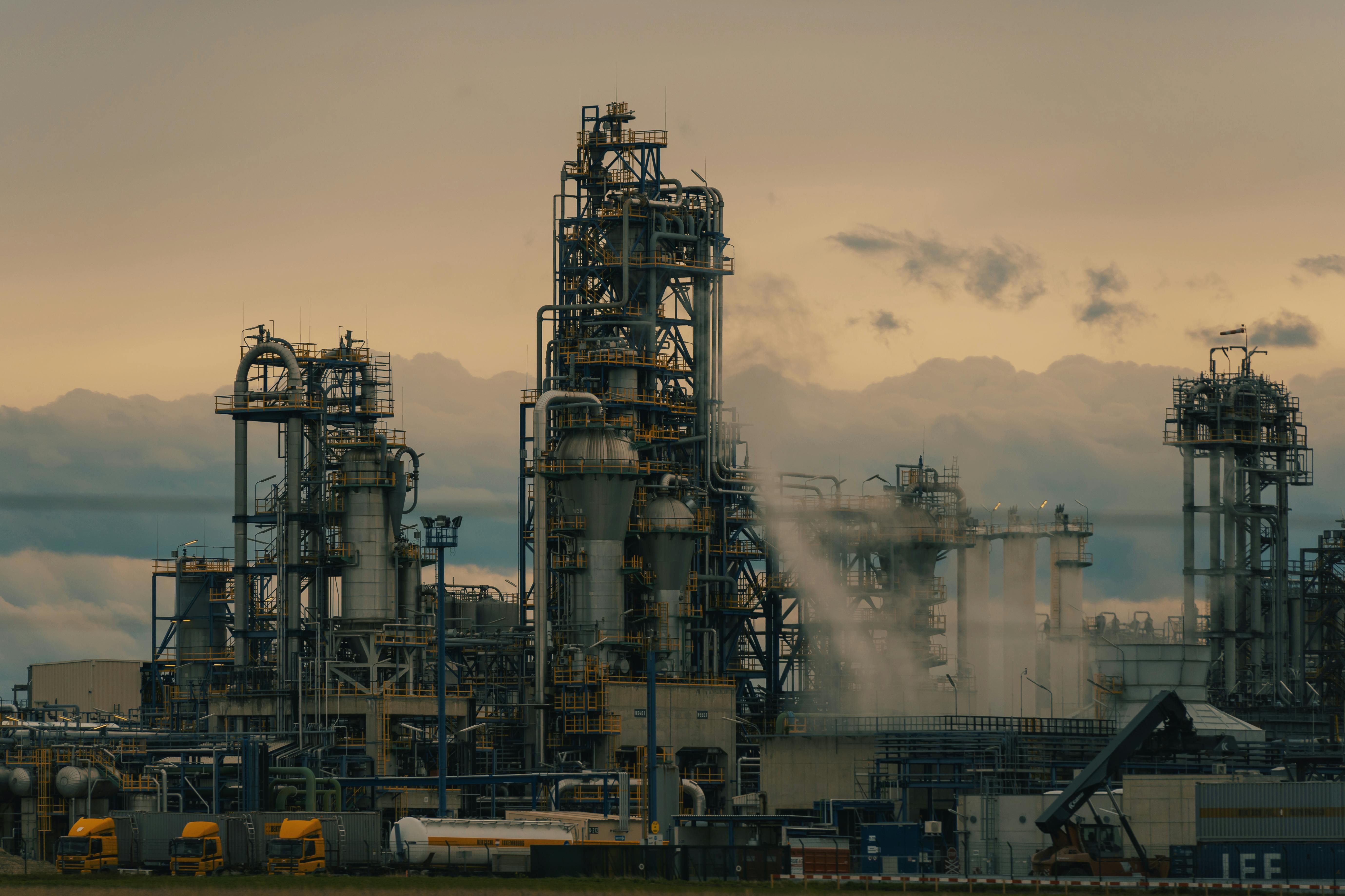
Three main asks: Set robust low-carbon definitions as soon as possible: Without clear thresholds, non-price criteria in procurement lack the dec...
Get our latest news