
Joint letter – ICC reform and expansion risks diverting ETS Revenues from real climate action
In light of the European Commission’s ongoing considerations to amend the ETS State Aid Guidelines, revising the rules for Indirec...
News
Publish date: September 8, 2006
News
A shortlist of companies competing for the project unveiled last September includes Norway’s Statoil and Norsk Hydro, France’s Total, and U.S. giants Chevron and ConocoPhillips. Gazprom will select two or three partners from the shortlist to form a consortium for the project.
According to Igor Shuvalov, a Russian presidential aide, the Russian energy giant needs a partner that will help it "develop the field as successfully and beneficially as possible, with the lowest expenses, and which will supply products to the world market most effectively," RIA Novosti reports.
"This is a business project, and Gazprom is responsible for it. Therefore, I would not like to reveal any information on the issue," he said.
The deposit holds an estimated 3.2 trillion cubic meters of natural gas, and 31 million metric tons of gas condensate in the Barents Sea, off Russia’s Arctic coast. Some $12-14 billion will be invested in the project’s first phase, and production will start in 2011.
In light of the European Commission’s ongoing considerations to amend the ETS State Aid Guidelines, revising the rules for Indirec...

By Amélie Laurent, CDR Policy Advisor, Bellona Europa Published in REVOLVE Today, EU countries approved Europe’s 2040 climate target:...
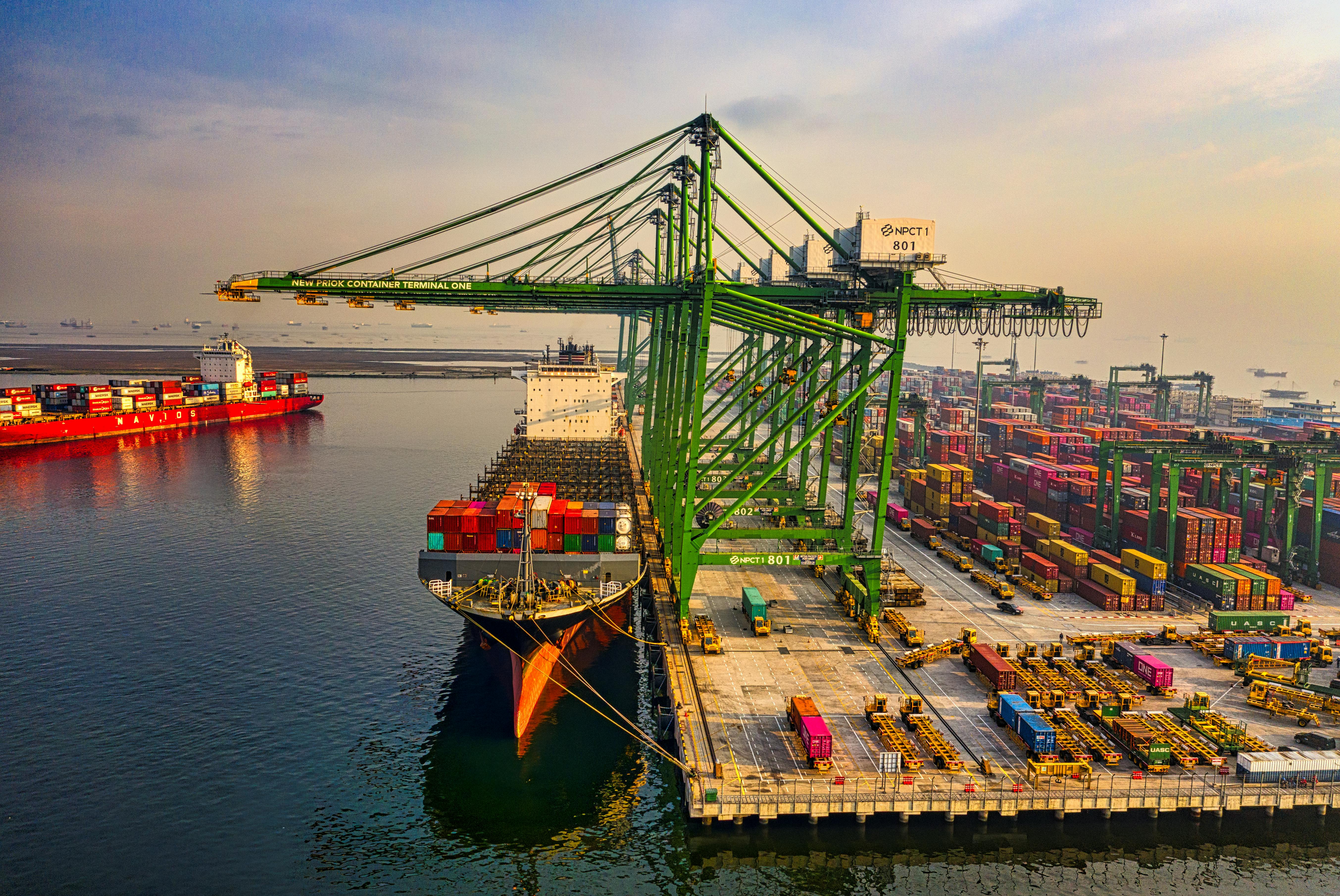
The new EU Ports Strategy rightly recognises that ports are no longer just logistics hubs – they are be...
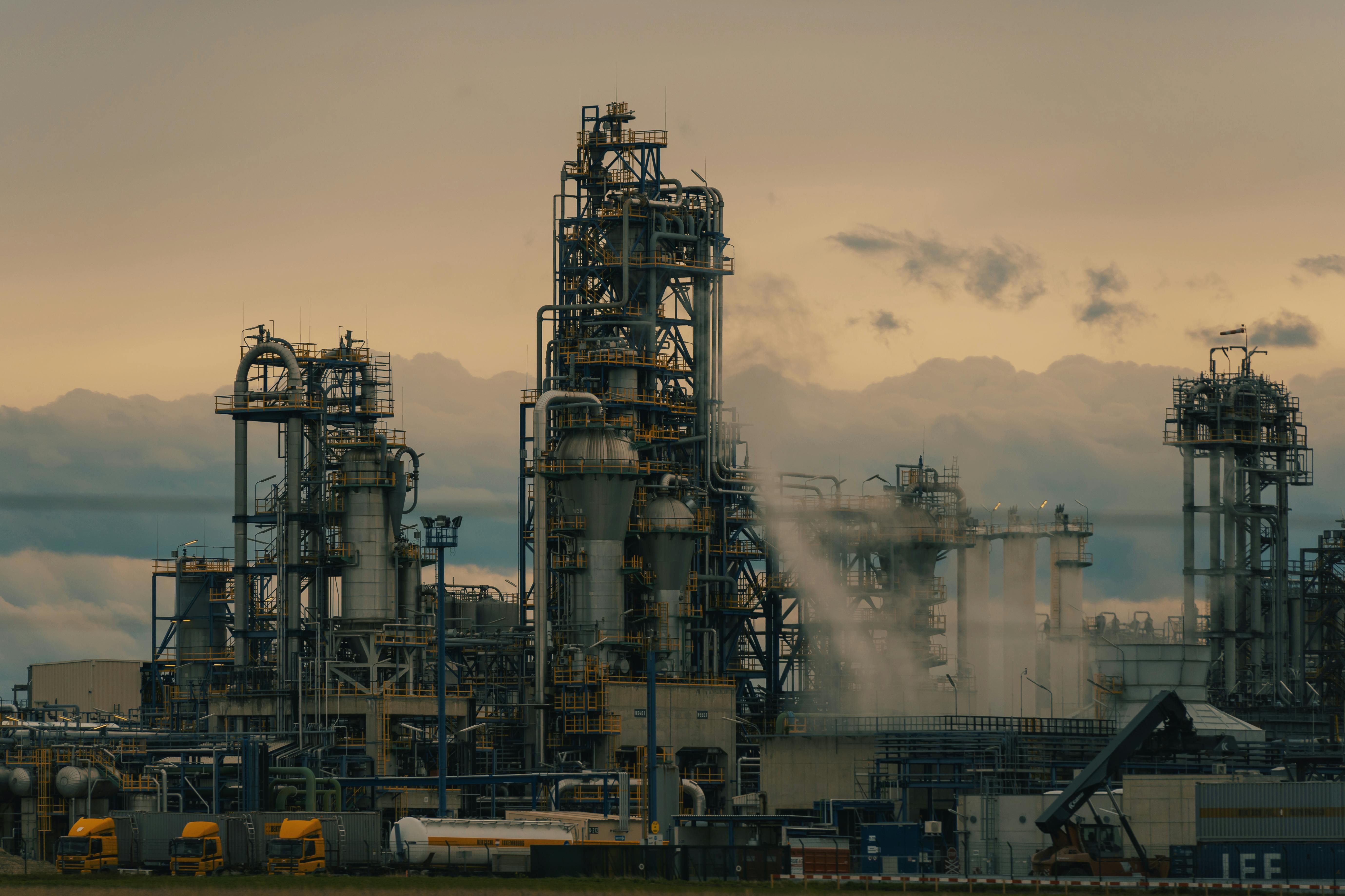
Three main asks: Set robust low-carbon definitions as soon as possible: Without clear thresholds, non-price criteria in procurement lack the dec...
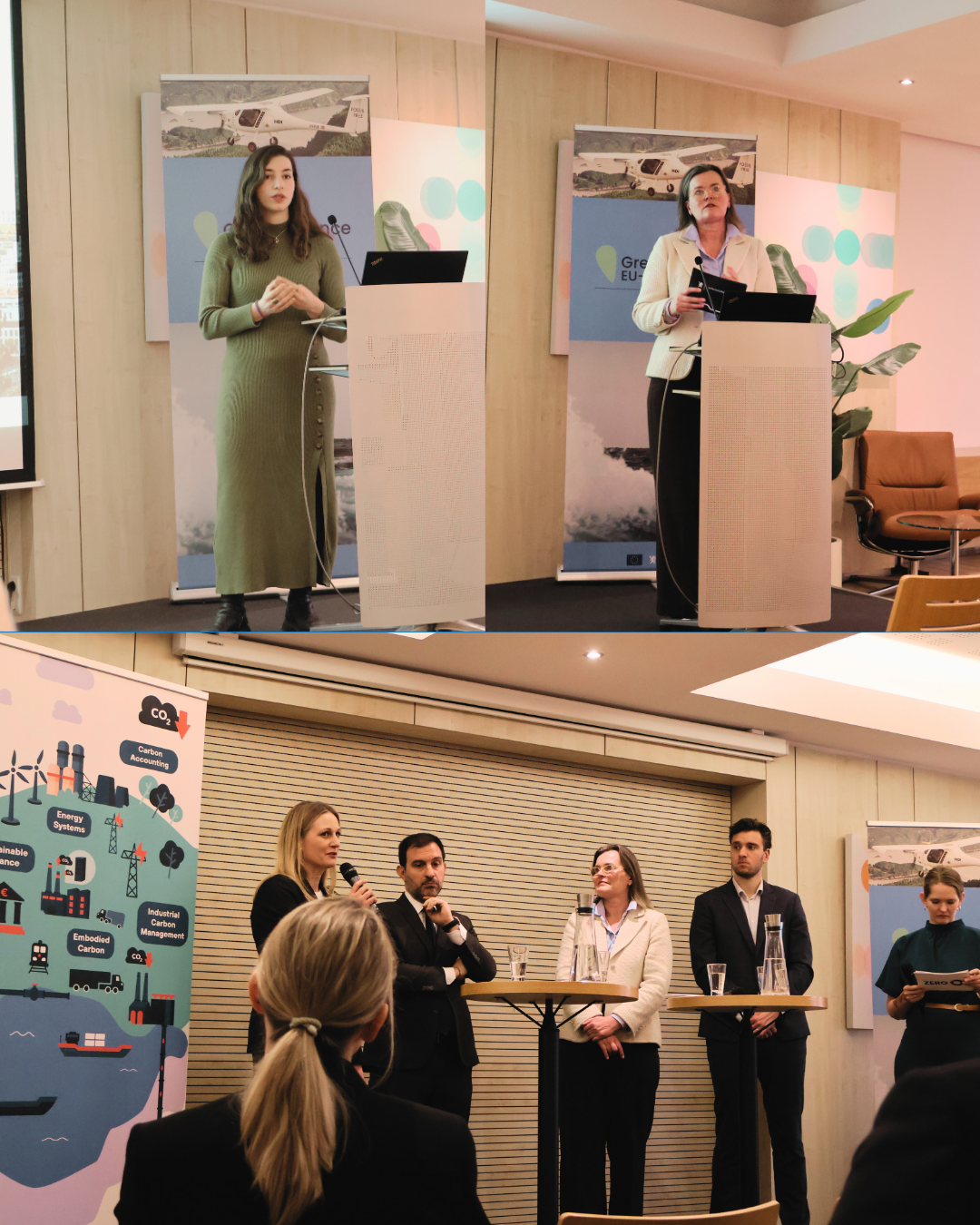
On 24 February 2025, Bellona Europa co-hosted a breakfast seminar at Norway House in Brussels alongside ZERO and the Mission of Norway to the EU, bringing together policymakers, manufacturers, and procurement practitioners around a single conviction: European cities hold a decisive and largely untapped lever for decarbonising construction. With the revision of the EU Public Procurement Directives on the horizon, the moment to use it is now.
Get our latest news