
Joint letter – ICC reform and expansion risks diverting ETS Revenues from real climate action
In light of the European Commission’s ongoing considerations to amend the ETS State Aid Guidelines, revising the rules for Indirec...
News

Publish date: June 25, 2007
News
Drastic greenhouse cuts
Dutch Environment Minister Jaqueline Cramer presented the government’s environmental agenda in the Tweede Kamer, the Dutch legislative chamber, on June 14th. The plan ranges from 2007 to 2011 and by mid September the government will propose concrete measures to cut green house gas emissions by 30 percent by 2020.
The major feature of the policy proposal is to involve business as much as possible. Before drafting the agenda, the Dutch government consulted the business community to reach agreements about emission cuts, and Cramer will respond to the consultations within one month.
The governent agenda includes the introduction of a “sustainability accord” where the government and the business community will agree on how to take action against emissions and improve energy efficiency and renewable energy technology. This agreement will encompass 10 industries, gaining wide spread inclusion of stakeholders in the environment legislation process.
Renewable energy and CCS
The agenda also contains a plan to introduce more renewable energy sources, with a doubling of windmill power output. For energy efficiency measures, the government wants all new buildings to be carbon neutral by 2012, and will speed up the introduction of low energy light bulbs. Included in the agenda is also a holistic approach to make water management more effective and environmentally friendly.
The Dutch government is also planning two large-scale carbon capture and storage (CCS) power plants, one of them a multi-fuel power station in Groningen. Dutch Prime Minister Jan Peter Balkende said at the EU summit in Brussels in March this year that The Netherlands wishes lead the development of this technology. Cramer followed up on this, and stated that “carbon dioxie storage is an important technology for the transition to a sustainable energy supply” when the declaration of intent for the Groningen power station was signed in April.
Financial incentives
The agenda contains a concrete proposal from the Dutch Ministry of Finance to introduce tax incentives to reduce emissions from the transport sector. The government hopes to limit the sale of the most polluting cars with a tax differentiation according to the amount of emissions a given auto make produces.
Cars with emissions above 240 g/km of carbon dioxide will have to pay EUR 80 to 90 in additional taxes for the amount emitted over the legislated threshold. This will effectively make it more expensive to drive large cars, as SUVs. Another measure is to reduce taxation on low emission company cars if they emit less than 110 g/ km of carbon dioxide.
The Netherlands is one of the few countries that is committed to a unilateral reduction of carbon dioxide emissions by 30 percent by 2020. It is now hoped that The Netherlands can be a front runner in adopting concrete measures to reduce green house gas emissions and thereby be an example to other countries that are still stuck on the treadmill of just talking about cuts.
In light of the European Commission’s ongoing considerations to amend the ETS State Aid Guidelines, revising the rules for Indirec...

By Amélie Laurent, CDR Policy Advisor, Bellona Europa Published in REVOLVE Today, EU countries approved Europe’s 2040 climate target:...
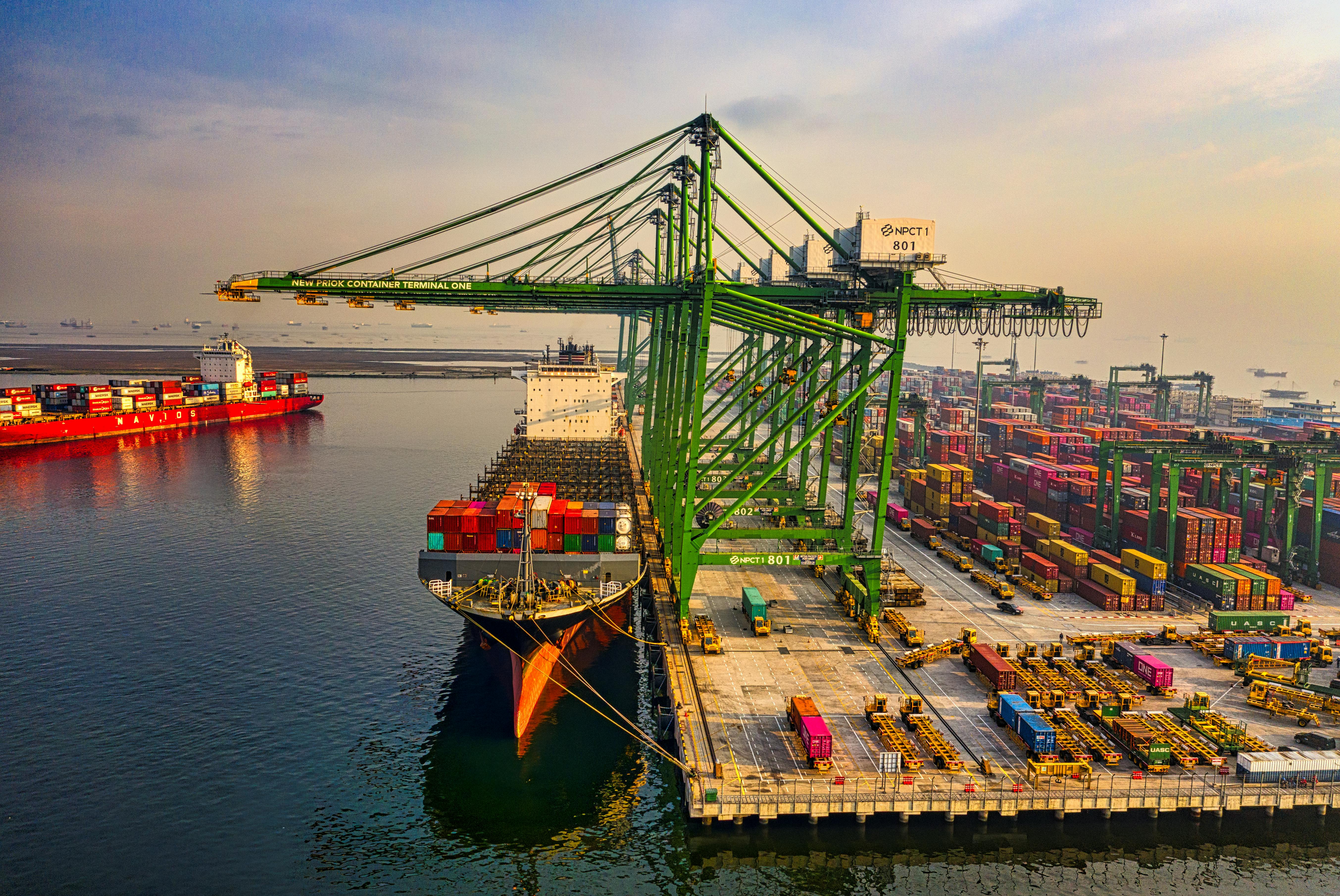
The new EU Ports Strategy rightly recognises that ports are no longer just logistics hubs – they are be...
Three main asks: Set robust low-carbon definitions as soon as possible: Without clear thresholds, non-price criteria in procurement lack the dec...
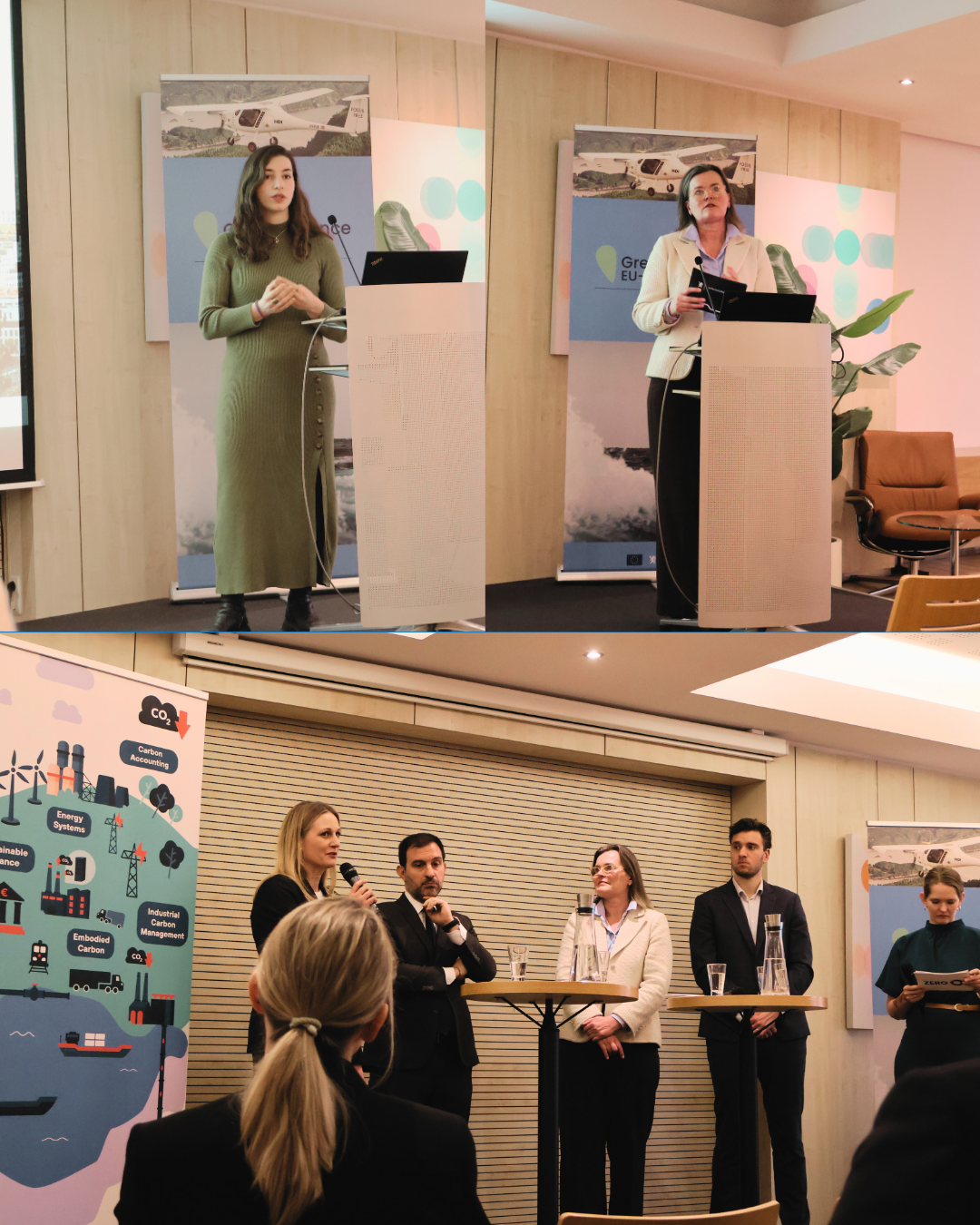
On 24 February 2025, Bellona Europa co-hosted a breakfast seminar at Norway House in Brussels alongside ZERO and the Mission of Norway to the EU, bringing together policymakers, manufacturers, and procurement practitioners around a single conviction: European cities hold a decisive and largely untapped lever for decarbonising construction. With the revision of the EU Public Procurement Directives on the horizon, the moment to use it is now.
Get our latest news