
Joint letter – ICC reform and expansion risks diverting ETS Revenues from real climate action
In light of the European Commission’s ongoing considerations to amend the ETS State Aid Guidelines, revising the rules for Indirec...
News

Publish date: January 27, 2009
News
The proposals have been tabled in a communication from the Commission to the other EU institutions. It suggests specific commitments to be made by EU heads of state and government when they meet next on March 19th and 20th in Brussels.
Some of the more precise proposals relate to financing. The Commission says global net incremental investments to reduce global emissions need to increase towards €175 billion by 2020. This is somewhat lower than the estimate of what others believe is needed – something more in the range €200-300 billion),according to the McKinsey report launched on Monday.
Most of this is expected to be financed nationally and through carbon credit trading between developed and developing countries. But the Commission also suggests that in addition, rich countries need to mobilise new, innovative financing of both mitigation and adaptation in poorer countries in the range of €30 billion per year by 2020.
Another notable proposal is to quadruple by 2020 research funding in the EU for clean technologies and efficient adaptation.
While the Commission proposals concretise some ideas in the international climate change negotiations, many questions remain unsolved, such as a formula for determining developed countries’ national emission caps in the future. Furthermore, the proposals are not coupled with any new EU legislative proposals, thereby making them dependent on the precise implementation of existing EU legislation. For example, the Commission calls on Member States to use a significant portion of auction revenues from the ETS to finance low-carbon development.
In light of the European Commission’s ongoing considerations to amend the ETS State Aid Guidelines, revising the rules for Indirec...

On March 10th 2026, the Commission presented the Clean Energy Investment Strategy, as part of an Energy package to boost investment in homegrown cle...

By Amélie Laurent, CDR Policy Advisor, Bellona Europa Published in REVOLVE Today, EU countries approved Europe’s 2040 climate target:...
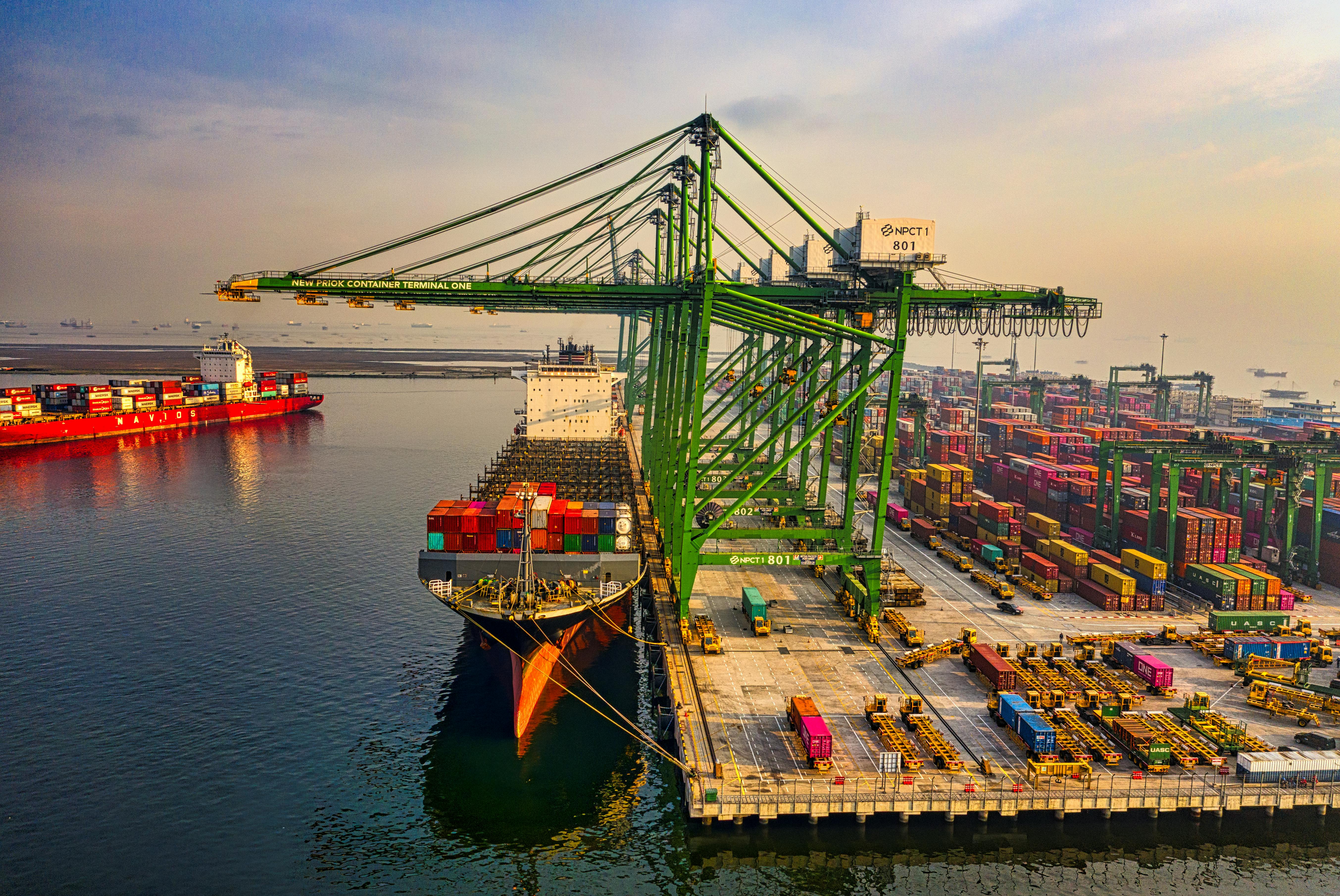
The new EU Ports Strategy rightly recognises that ports are no longer just logistics hubs – they are be...

Three main asks: Set robust low-carbon definitions as soon as possible: Without clear thresholds, non-price criteria in procurement lack the dec...
Get our latest news