
Joint letter – ICC reform and expansion risks diverting ETS Revenues from real climate action
In light of the European Commission’s ongoing considerations to amend the ETS State Aid Guidelines, revising the rules for Indirec...
News
Publish date: January 30, 2009
News
The assembly voted for the motion to prod the government into trying to negotiate a new lease of life for two of the four Soviet-era reactors at the Kozloduy power plant.
The 2006 closure of two 440-megawatt reactors, considered unsafe by the European Union, was one of the conditions Bulgaria had to meet to join the bloc in 2007. Two even older reactors were switched off in 2002. Kozloduy continued to operate on two modern, Russian-built 1,000 megawatt reactors. In addition, Bulgaria has revived plans to build another nuclear plant at Belene, 100 kilometres downstream on the Danube. The parliament decision said Bulgaria should consider the possibilities of bringing the newer generators back online in cooperation with Brussels.
Bulgarian officials, mostly President Georgi Parvanov, loudly interceded for the restart of the old Kozloduy installations during the Russia-Ukraine gas row, which hit Bulgaria hard, causing its industry damages in excess of 130 million dollars, earthtimes.org reported.
In light of the European Commission’s ongoing considerations to amend the ETS State Aid Guidelines, revising the rules for Indirec...

By Amélie Laurent, CDR Policy Advisor, Bellona Europa Published in REVOLVE Today, EU countries approved Europe’s 2040 climate target:...
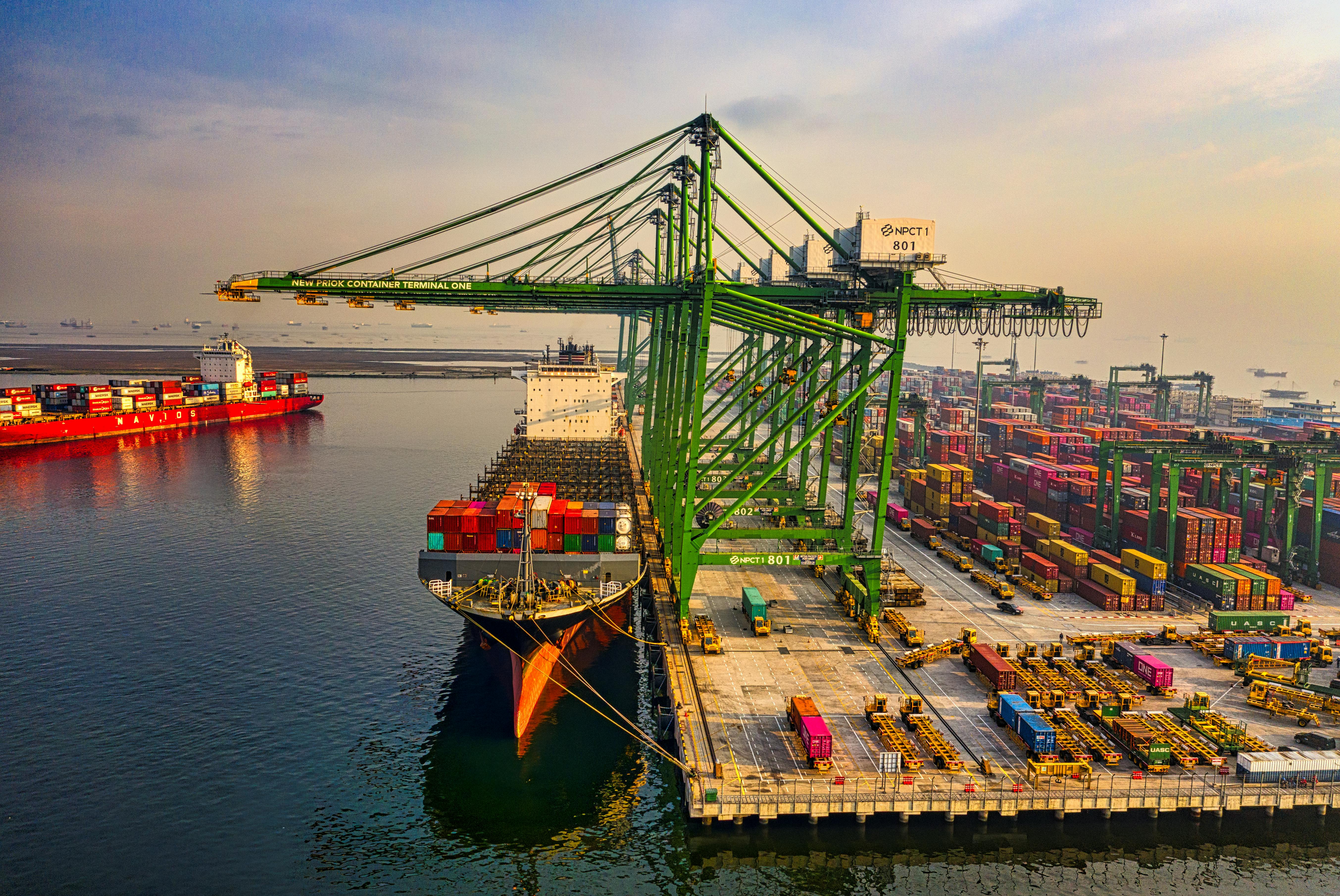
The new EU Ports Strategy rightly recognises that ports are no longer just logistics hubs – they are be...
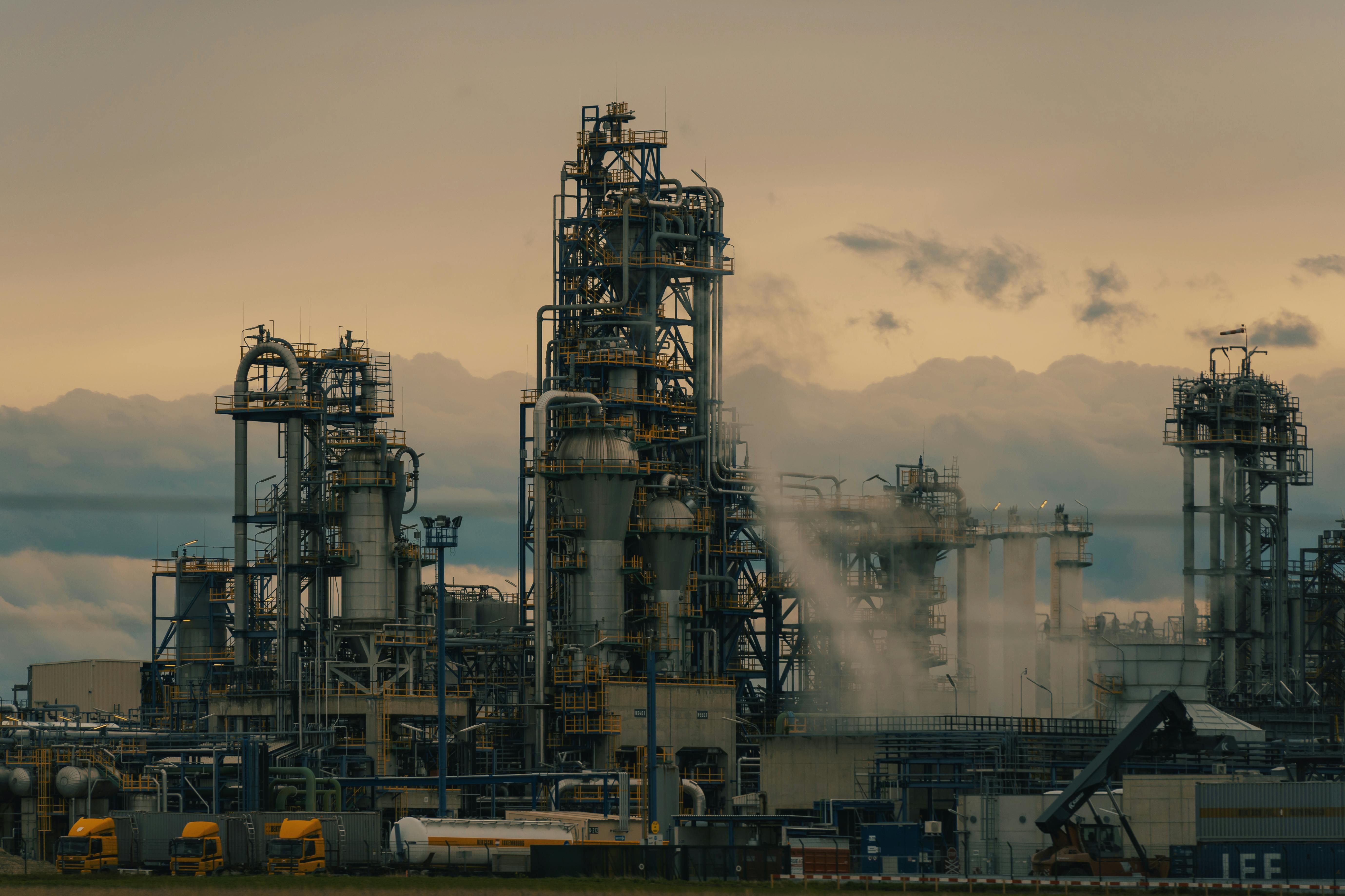
Three main asks: Set robust low-carbon definitions as soon as possible: Without clear thresholds, non-price criteria in procurement lack the dec...

On 24 February 2025, Bellona Europa co-hosted a breakfast seminar at Norway House in Brussels alongside ZERO and the Mission of Norway to the EU, bringing together policymakers, manufacturers, and procurement practitioners around a single conviction: European cities hold a decisive and largely untapped lever for decarbonising construction. With the revision of the EU Public Procurement Directives on the horizon, the moment to use it is now.
Get our latest news