
Joint letter – ICC reform and expansion risks diverting ETS Revenues from real climate action
In light of the European Commission’s ongoing considerations to amend the ETS State Aid Guidelines, revising the rules for Indirec...
News

Publish date: April 30, 2009
News
Sweden’s position is a remarkable case. In 1980, the country voted in a nationwide referendum close down the country’s nuclear power plants over the next 30 years. Now, three decades later, no one has any plans to follow through with that referendum. Many have said that the referendum was simply a recommendation in spirit, and the country’s government is saying that there are no alternatives to nuclear power to assure the country’s energy supply.
“This is a very sensitive sphere,” said Urban Ahlin, the deputy chief of the parliarmentary committee during a meeting with Russian journalists as part of a seminar put together by Sweden’s bureau for radiation safety. According to Ahlin, the Social Democrats opposed the government’s decision to build new reactors in the country.
“It is premature to talk about building new (nuclear) plants,” he said, adding that with Sweden’s current hydro-electic and nuclear plants “we can accommodate our industry with cheap electricity,” he said. “
We are for searching out other alternative sources of energy for substitute for nuclear power and if we find them we will use the – but we will not risk the position of hour industry on the world market.
Swedish-Russian cooperation
Ahlin said that Sweden supports a radiation and nuclear safety programme, improvements to waste storage methods and dealing with spent nuclear fuel. “We are glad that (Russian Prime Minister Vladimir) Putin and (Russian President Dmitry) Medvedev are beginning to talk about the safety of nuclear technology and to renew discussions on strategic weapons reductions.”
He said that the world financial crisis caused apprehension as nations will be able to devote less of nuclear safety. “It would be good if the Swedish Government could spend more money on these goals,” he said.
The Russian-Swedish nuclear safety cooperation programme is probably on of the most fruitful and only brings hope that even better things are to come. Ahlin expressed the worry that Russia mioght not want to cooperate with Sweden because Sweden does not buy Russian gas and is not dependent on it for energy needs like much of Europe. “If you follow Putin’s travels, you will notice he practically does not visit any countries that don’t buy Russian gas,” said Ahlin.
In speaking of fossile fuels, Ahlin expressed confidence that in the current world situation, countries mush diversify their economics, wean themselves off oil, and put their profits from the oil and gas industry into the development of renewable energy and energy efficiency.
In light of the European Commission’s ongoing considerations to amend the ETS State Aid Guidelines, revising the rules for Indirec...

On March 10th 2026, the Commission presented the Clean Energy Investment Strategy, as part of an Energy package to boost investment in homegrown cle...

By Amélie Laurent, CDR Policy Advisor, Bellona Europa Published in REVOLVE Today, EU countries approved Europe’s 2040 climate target:...
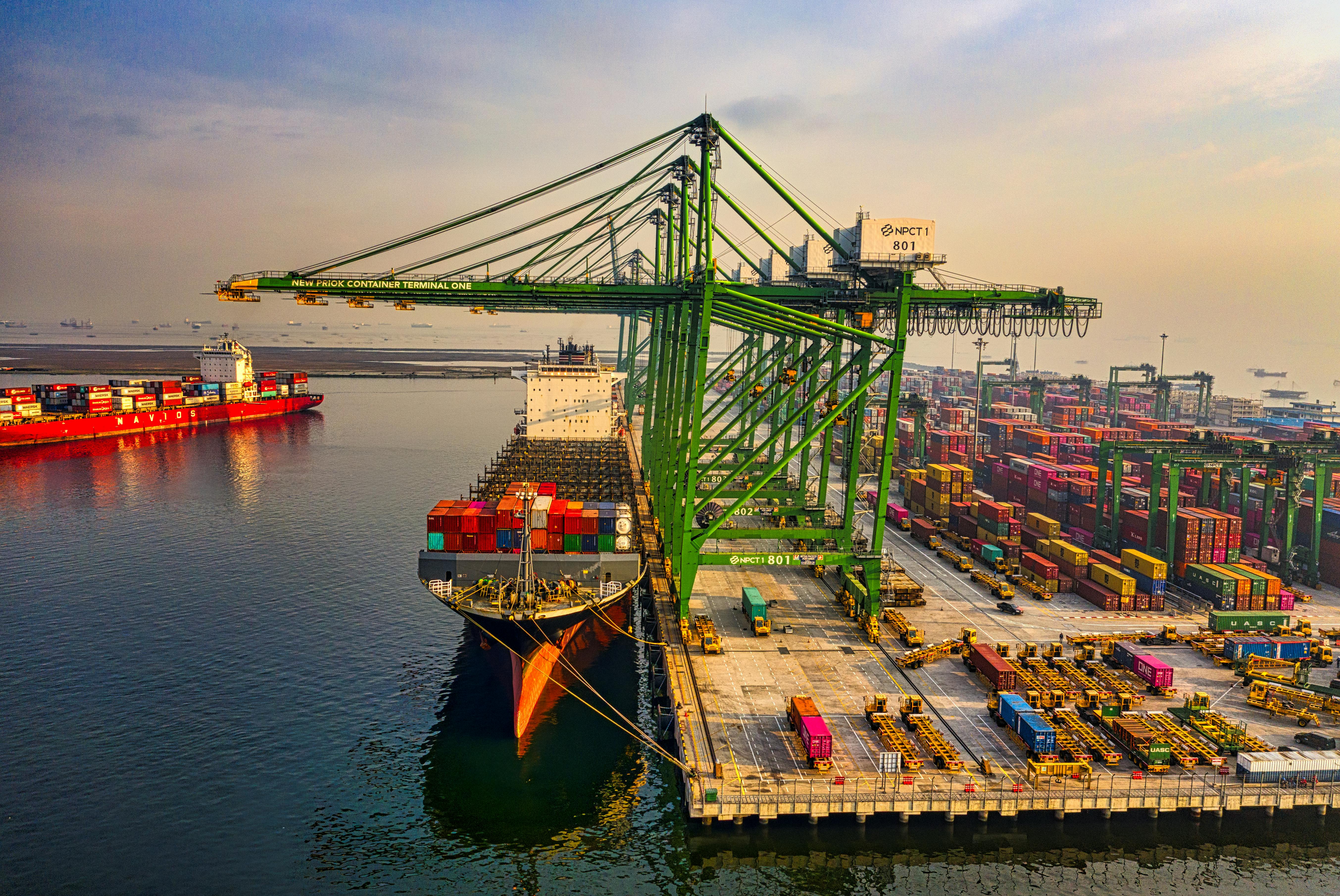
The new EU Ports Strategy rightly recognises that ports are no longer just logistics hubs – they are be...
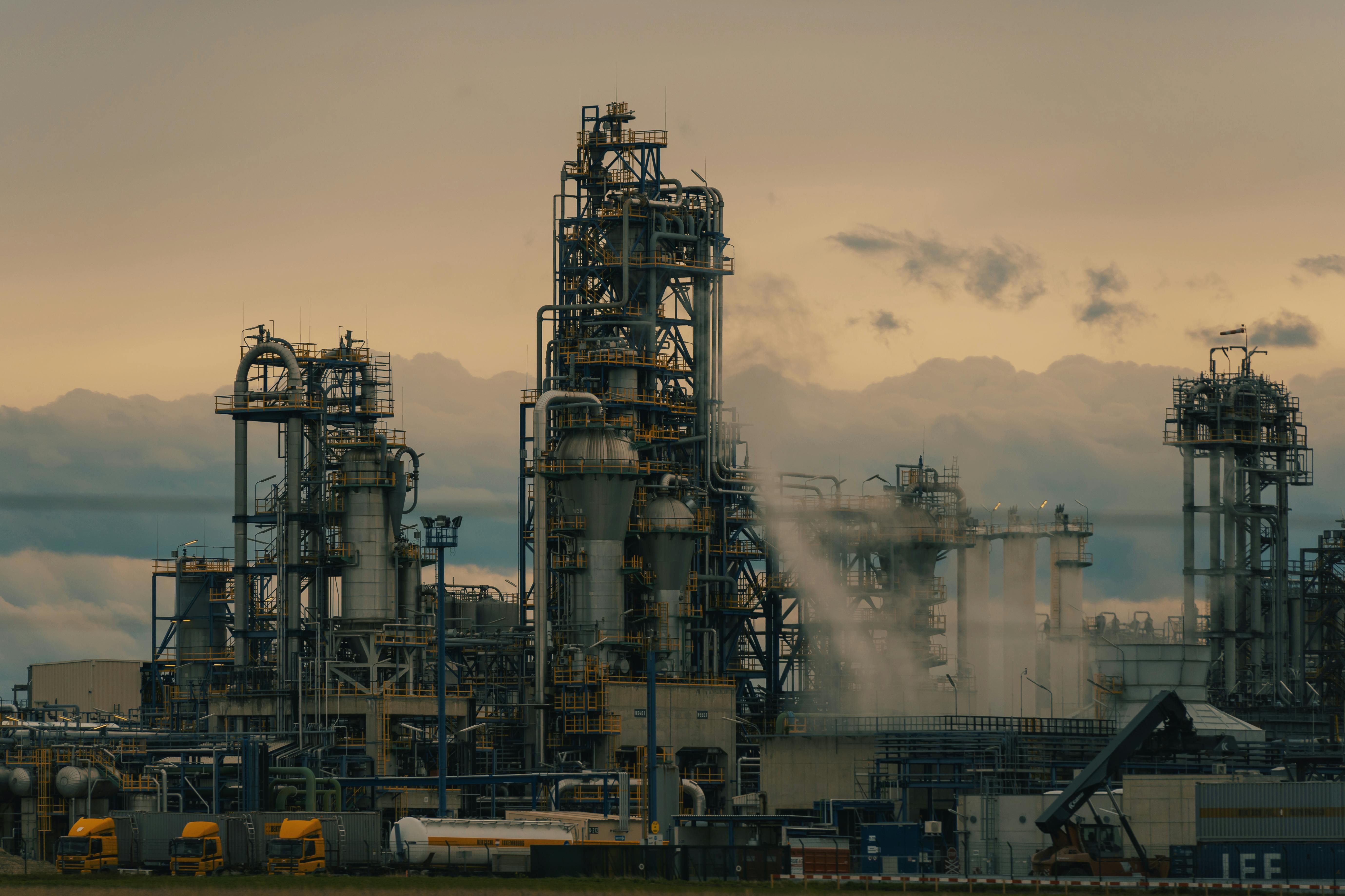
Three main asks: Set robust low-carbon definitions as soon as possible: Without clear thresholds, non-price criteria in procurement lack the dec...
Get our latest news