
Joint letter – ICC reform and expansion risks diverting ETS Revenues from real climate action
In light of the European Commission’s ongoing considerations to amend the ETS State Aid Guidelines, revising the rules for Indirec...
News
Publish date: March 8, 2011
News
According to the signatories adopting legally binding targets would be of vital importance for Poland. Determined energy efficiency actions are particularly important in coal-based Polish economy as they constitute low-cost measures for limiting greenhouse gases, read the release.
According to the signatories such actions will be implemented by public institutions only when they become obligatory.
According to the release by the Polish NGOs, binding energy efficiency targets are important for solving several problems for the country’s energy market.
Among those listed by the experts include improving the economy of Poland by loweing energy prices, which will result from efficiency targets; the opportunity to open new energy efficient markets, making Poland a world leader in energy efficiency technologies; an increase of energy security within the EU; conservation of natural resources, and job creation in the new sectors devoted to energy efficiency that the NGOs say will spring up.
A McKinsey analysis recently found that using a majority of energy efficiency measures would be profitable for Poland.
In December 2010, EU Parliament proposed to implementing binding energy efficiency targets of no less than 20 percent by 2020, but majority of European national governments opposed the proposal.
“In coming weeks, the European Commission will revise the European Energy Efficiency Action Plan, so this is very good moment to show that binding target has strong support” in Poland, read the release by the NGOs.
In light of the European Commission’s ongoing considerations to amend the ETS State Aid Guidelines, revising the rules for Indirec...

By Amélie Laurent, CDR Policy Advisor, Bellona Europa Published in REVOLVE Today, EU countries approved Europe’s 2040 climate target:...

The new EU Ports Strategy rightly recognises that ports are no longer just logistics hubs – they are be...

Three main asks: Set robust low-carbon definitions as soon as possible: Without clear thresholds, non-price criteria in procurement lack the dec...
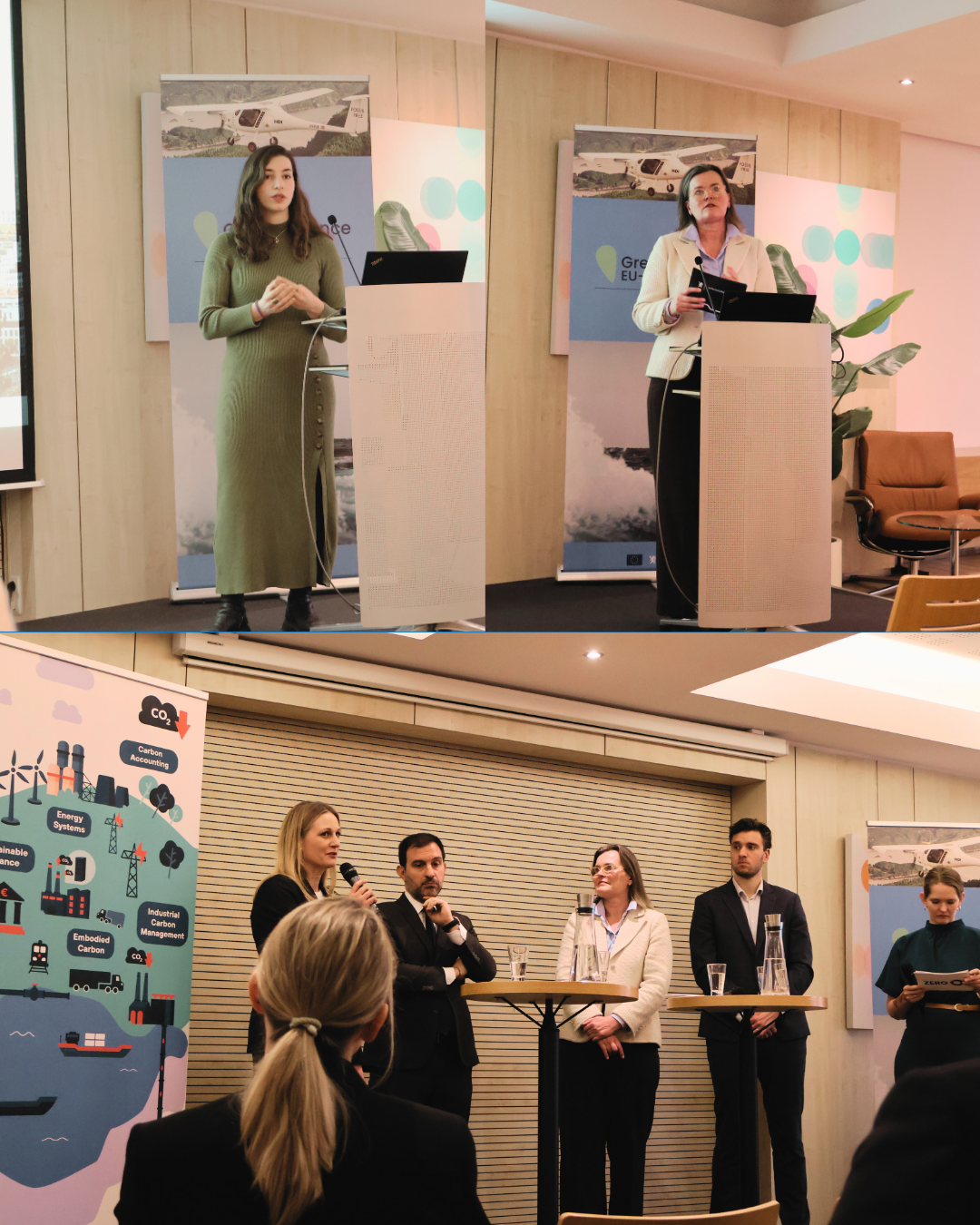
On 24 February 2025, Bellona Europa co-hosted a breakfast seminar at Norway House in Brussels alongside ZERO and the Mission of Norway to the EU, bringing together policymakers, manufacturers, and procurement practitioners around a single conviction: European cities hold a decisive and largely untapped lever for decarbonising construction. With the revision of the EU Public Procurement Directives on the horizon, the moment to use it is now.
Get our latest news