
Joint letter – ICC reform and expansion risks diverting ETS Revenues from real climate action
In light of the European Commission’s ongoing considerations to amend the ETS State Aid Guidelines, revising the rules for Indirec...
News
Publish date: February 13, 2015
News
Negotiations at COP 20, which took place in Lima last December, were marked by sharp divisions between developed and developing countries (although this ageing division is showing some cracks), and failure to address a number of fundamental issues, including the formal review process that would be put in place to assess the post-2020 emission reduction commitments as well as whether the agreement will be legally binding.
In order rectify mistrust and stir negotiations on the treaty, the United Nations Framework Convention on Climate Change (UNFCCC) secretariat prepared a 38-page document of key elements, referred to as the Lima Draft, to which participating countries were invited to contribute at this week’s session. This resulted in a 90-pages long draft of proposals which has left the majority of participants satisfied. “It’s an everybody text” said Giza Gaspar Martins, a diplomat representing Angola.
The section of the draft text dealing with “greenhouse gas mitigation strategies” for instance expanded from 3,5 to 11,5 pages. One new proposal tabled, calls for the creation of an economic mechanism that would create an enhanced global carbon market for the use of countries with “quantified economy-wide absolute targets”. Developing countries on the other hand, reiterated that the inclusion of the topic of ‘loss and damage’ and climate compensation are fundamental pre-requisites to the conclusion of the agreement.
What has been achieved so far is a compilation of proposals reflecting Parties’ respective positions. The next step is to negotiate it, when Parties convene again in Bonn, Germany in June. The real challenge would be to reconcile reflection of different national circumstances in reduction targets with the application of this bottom up approach legally.
In November of last year, Member States of the United Nations Economic Commission for Europe (UNECE) provided recommendations to the UNFCCC calling for strong incentives to be provided to Carbon Capture and Storage (CCS) within the post-2015 global climate agreement. Bellona, who actively contributed to the formulation of these recommendations, calls on the UN community to consider the necessity of CCS in limiting global temperature increase to 2°C.
To see the latest version of the negotiating text click here.
In light of the European Commission’s ongoing considerations to amend the ETS State Aid Guidelines, revising the rules for Indirec...

On March 10th 2026, the Commission presented the Clean Energy Investment Strategy, as part of an Energy package to boost investment in homegrown cle...

By Amélie Laurent, CDR Policy Advisor, Bellona Europa Published in REVOLVE Today, EU countries approved Europe’s 2040 climate target:...
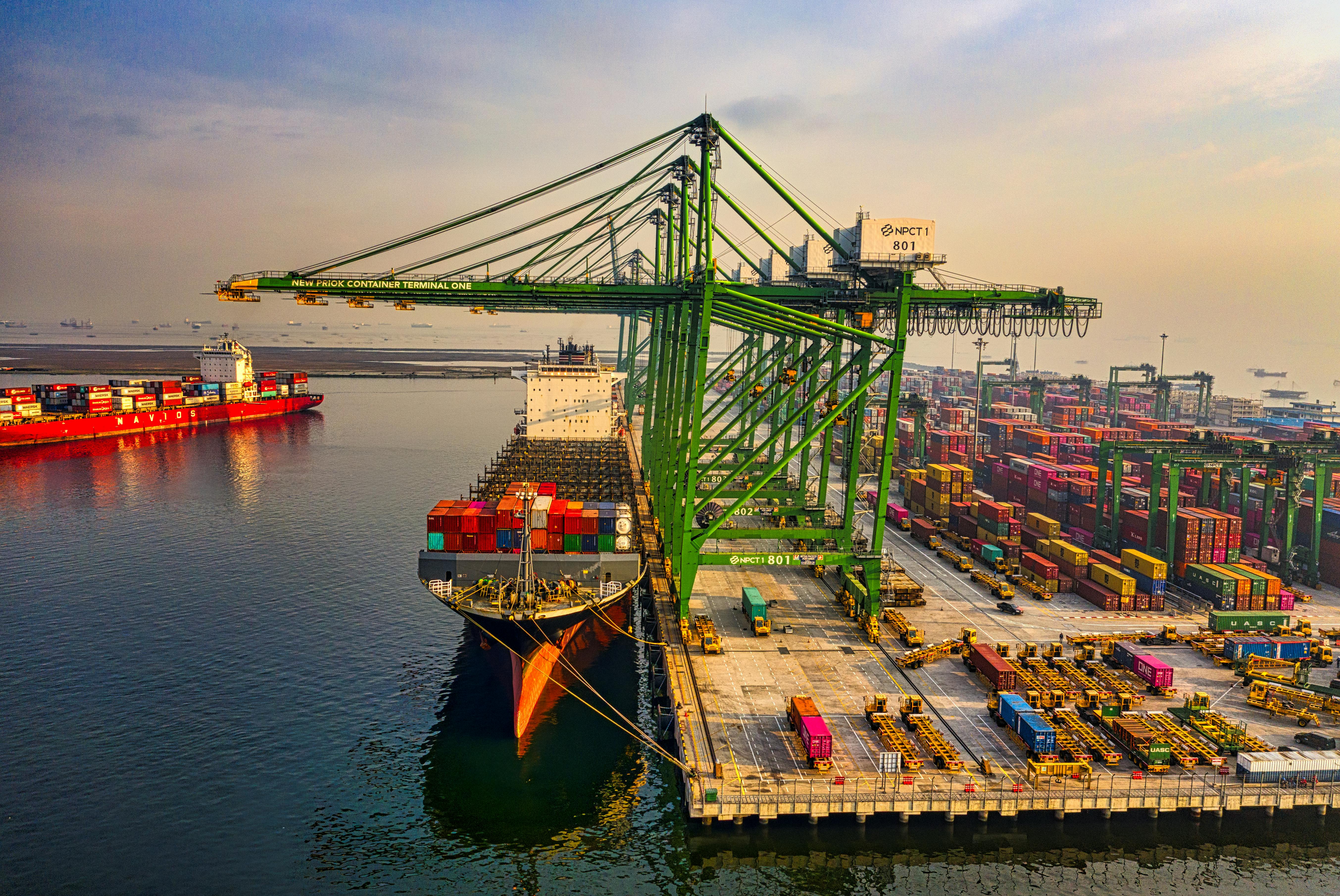
The new EU Ports Strategy rightly recognises that ports are no longer just logistics hubs – they are be...
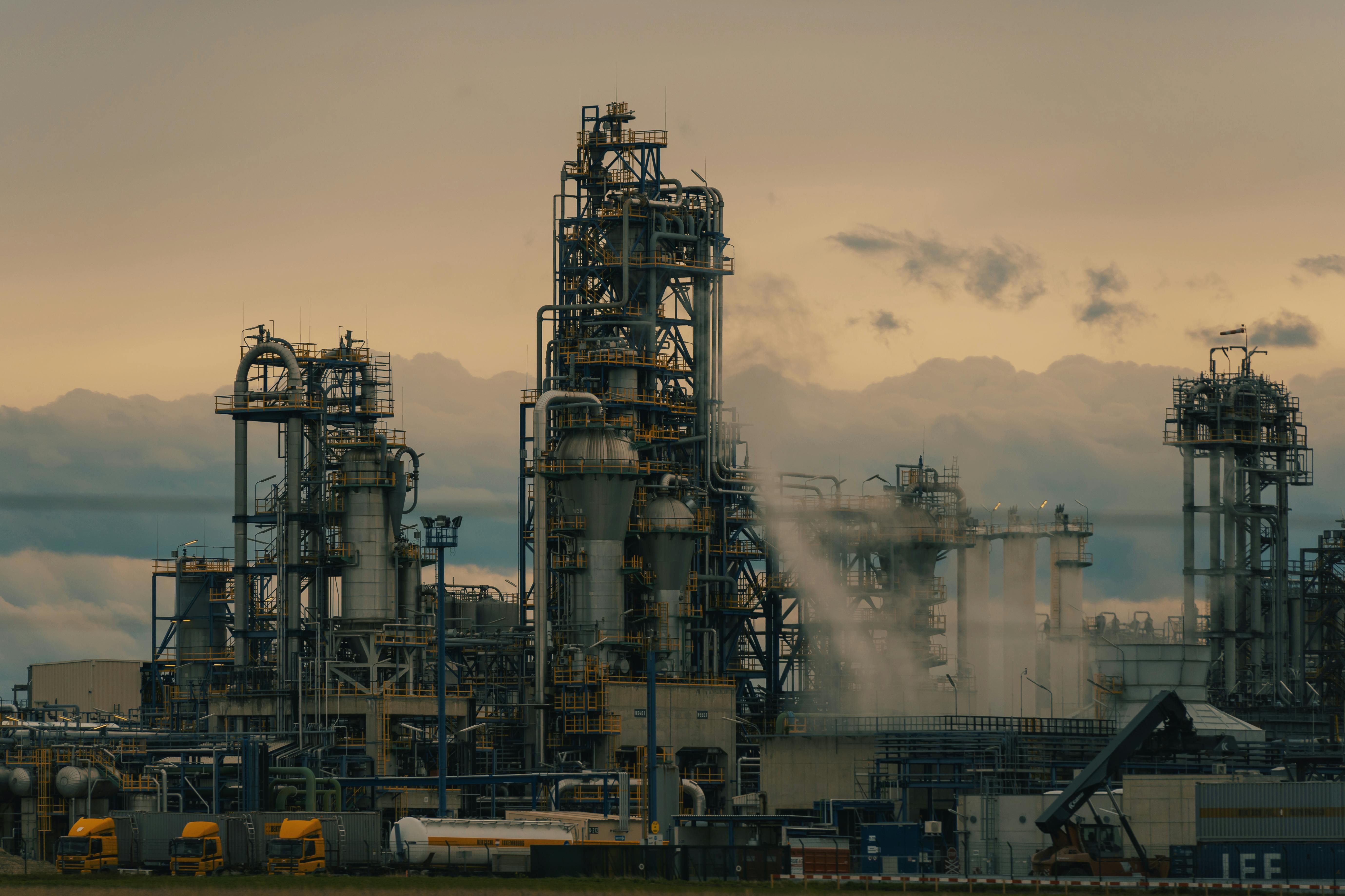
Three main asks: Set robust low-carbon definitions as soon as possible: Without clear thresholds, non-price criteria in procurement lack the dec...
Get our latest news