
Joint letter – ICC reform and expansion risks diverting ETS Revenues from real climate action
In light of the European Commission’s ongoing considerations to amend the ETS State Aid Guidelines, revising the rules for Indirec...
News
Publish date: May 27, 2015
News
“This recognition of the need for climate action by businesses is an important signal to world leaders, as in order for any post-2015 climate agreement to be effective, the role of businesses is crucial” notes Bellona Europa Director Jonas Helseth, who welcomes the Summit’s conclusions.
The Business and Climate Summit, took place on 20-21 May in Paris, thus marking half a year before the decisive UN Climate Summit COP 21.
In a joint statement, business representatives from more than 130 countries underlined that scientific evidence necessitates a post-2015 climate agreement design to spur a transition to net zero emissions well before the end of the century. More specifically, the joint statement said that such a design should incorporate robust and effective carbon pricing, a mainstreaming of climate policy and moves to de-risk low carbon investment.
In September 2014 the World Business Council on Sustainable Development (WBCSD) launched a short film visualising the critical part played by Carbon Capture and Storage (CCS) in preventing global temperature rising above 2°C. Bellona, who has been working alongside civil society and industry stakeholders for over two decades to attain a CCS-conducive regulatory environment, regards the technology as indispensable in the fight against climate change.
Overcoming barriers and building trust
It has been argued that effective climate action has been trapped in a vicious circle, one where business are waiting for clear political signals before undertaking abatement action, while governments have been waiting to see commitment from the private sector. The summit of last week is a small step breaking this circle and fostering trust between the two.
“It is a mutually reinforcing relationship that is being made here, which is exactly the kind of dynamic we need to make that transformational shift that needs to be made” noted UN Climate Chief Christiana Figueres.
The post-2015 global climate deal – where are we now?
The number of countries having submitted their national contributions (i.e. proposed contributions to reducing CO2 emissions and adapting to climate change) today has reached 40. More are expected in the course of the next months before the final deadline of 30 October 2015. Moreover, next month Member States will be convening again in Bonn in order to negotiate the latest compilation of proposals for the post-2015 deal, as agreed in February 2015.
In light of the European Commission’s ongoing considerations to amend the ETS State Aid Guidelines, revising the rules for Indirec...

On March 10th 2026, the Commission presented the Clean Energy Investment Strategy, as part of an Energy package to boost investment in homegrown cle...

By Amélie Laurent, CDR Policy Advisor, Bellona Europa Published in REVOLVE Today, EU countries approved Europe’s 2040 climate target:...
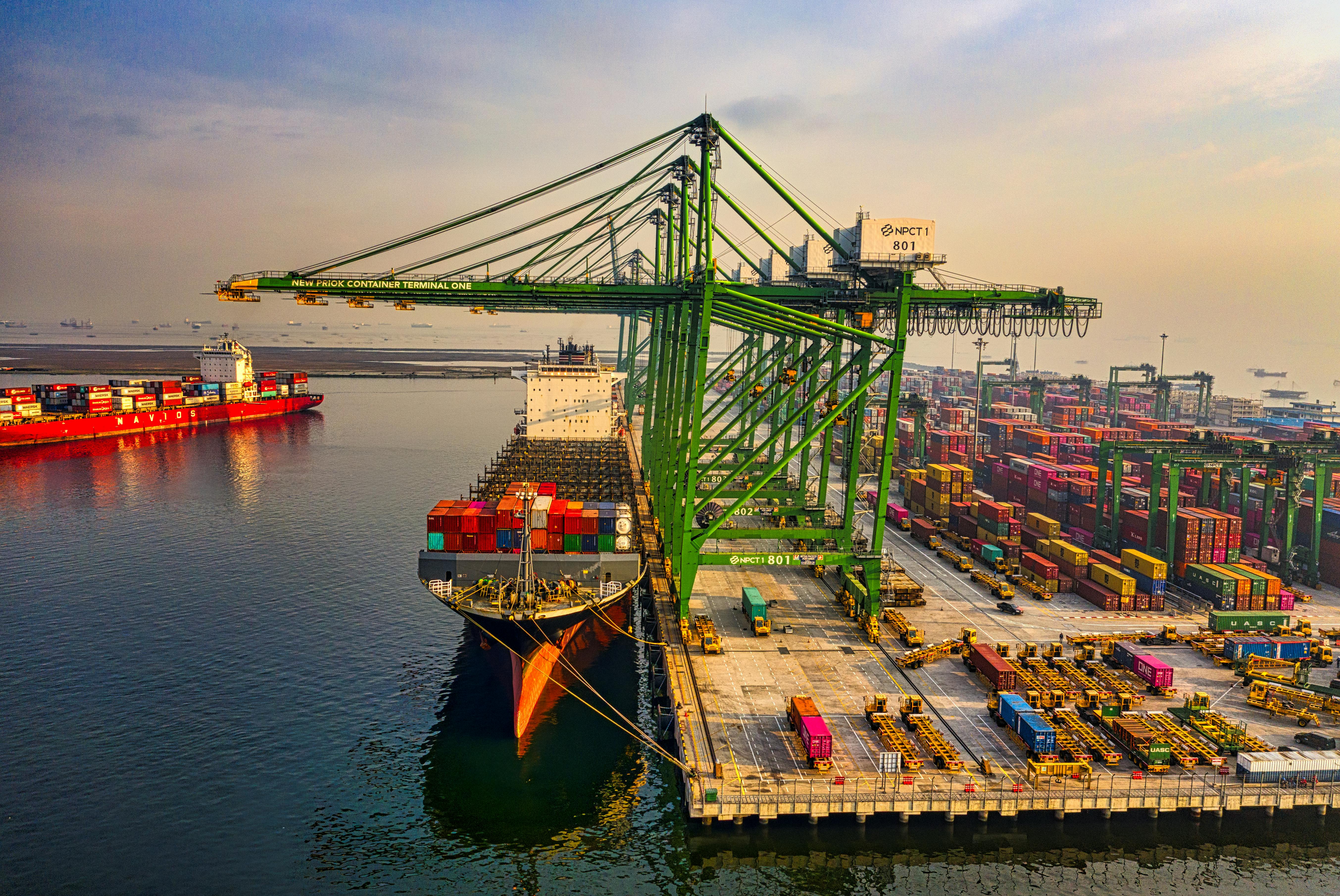
The new EU Ports Strategy rightly recognises that ports are no longer just logistics hubs – they are be...
Three main asks: Set robust low-carbon definitions as soon as possible: Without clear thresholds, non-price criteria in procurement lack the dec...
Get our latest news