
Joint letter – ICC reform and expansion risks diverting ETS Revenues from real climate action
In light of the European Commission’s ongoing considerations to amend the ETS State Aid Guidelines, revising the rules for Indirec...
News

Publish date: November 5, 2015
News
KALUSH, Ukraine – Welcome to the city of Kalush, a former mining town at the foot of the Carpathian Mountains, located in the Western part of Ukraine – and tormented by severe chemical pollution, houses that sink into the underground, massive unemployment and sickness among its 65,000 inhabitants.
Welcome to one of the most polluted areas in Europe.
An area no one seems to care about.
As far back as the 1400s – when Kalush was part of Poland – it hosted mining beginning in mid 1500 it began the first ever chemical production of Nitrate.
The area is generally rich in various subsoil salts and numerous factory plants specializing in agricultural fertilizer using Potassium and Magnesium were established over the years. Up to 15,000 people used to work here.
An undermined city
The enormous mine dug its way under the city. Today it’s 7.5 kilometers long with more than 1,000 chambers. Each chamber is between 2 to 7 meters high and 20 to 200 meters long.
With time, some of the chambers have been filled with waste, both domestic and from the extensive chemical production in the city.
“No one knows what is hidden in the mines, nor how much. When they stopped using the underground mine, it was flooded. They pumped water into the many tunnels and chambers in order to stabilize the fragile underground”, explains Yuri Sadoviy, head of the Kalush Gallurgy Institute.
Mykhailo Dovbenchuk, former chemist at one of the chemical plants who today heads the local NGO Green Movement Karparty, and Sadoviy estimate there are more than 1,000 tons of mixed chemical waste in the many chambers beneath Kalush.
The excavations undermined the town’s foundations, and part of the waste that that has been dumped in the mine began to give off condensation, eroding the mine’s stability.
In 1987 a disaster took place: In just one night some 40 houses sunk into the ground. Several of the houses simply disappeared into the earth while other collapsed.
The result is that the mines are now flooded and filled with mixed chemical waste. A combination designed to bring more catastrophes:
“We fear both more collapses and the chemicals spreading to groundwater,” said Sadoviy. “There is no monitoring of the groundwater, so nobody knows if the chemical waste spreads to the drinking water.”
This article is the first in a series that will explore chemical waste in Ukraine. The original version appeared on contaminatedfuture.org, an endeavor by two independent Danish journalists, Tom Heinemann and Morten Hansen, to illuminate the ongoing crisis of obsolete pesticides and other industrial chemicals buried in Eastern Europe and the Caucasus.
In light of the European Commission’s ongoing considerations to amend the ETS State Aid Guidelines, revising the rules for Indirec...

On March 10th 2026, the Commission presented the Clean Energy Investment Strategy, as part of an Energy package to boost investment in homegrown cle...

By Amélie Laurent, CDR Policy Advisor, Bellona Europa Published in REVOLVE Today, EU countries approved Europe’s 2040 climate target:...
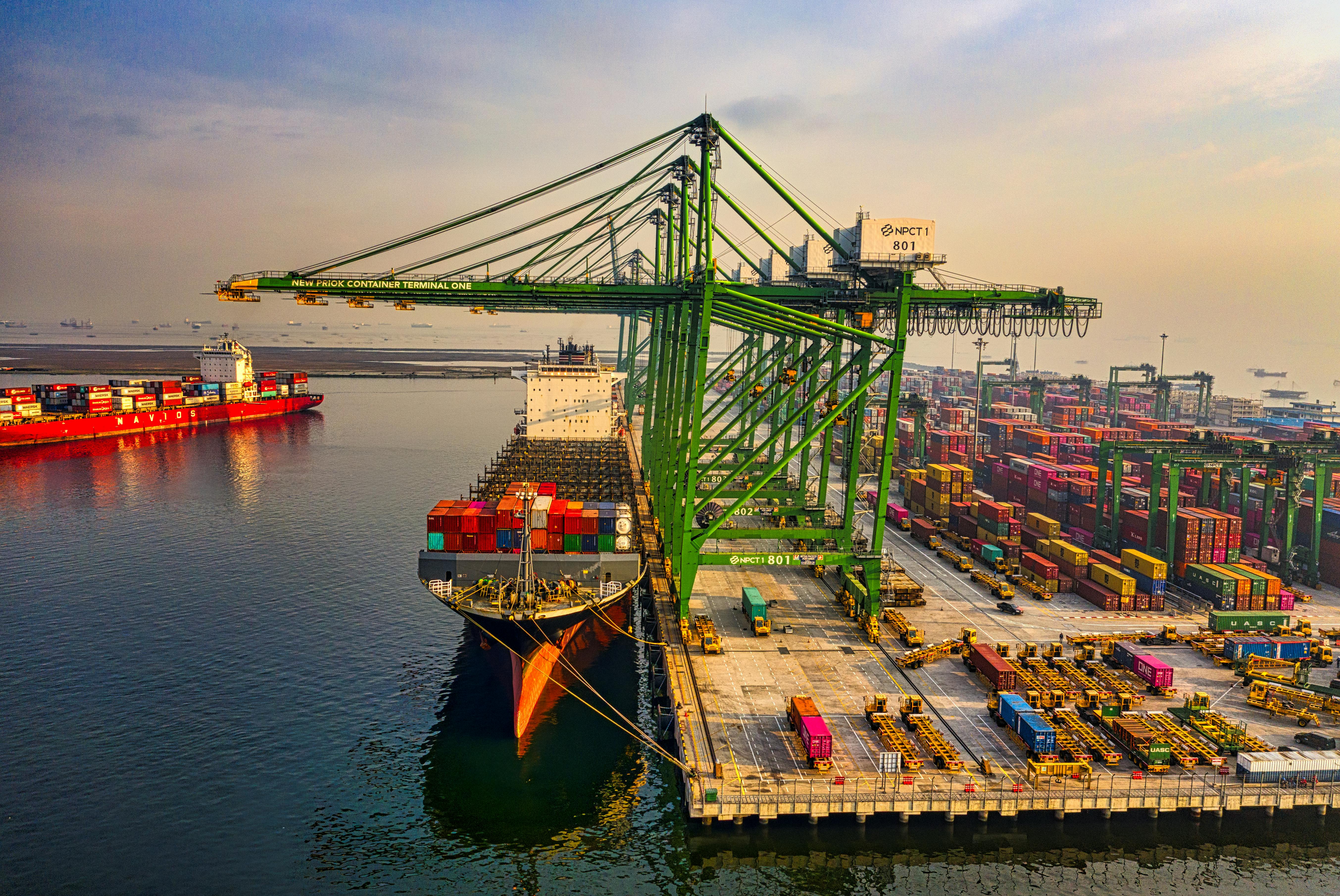
The new EU Ports Strategy rightly recognises that ports are no longer just logistics hubs – they are be...
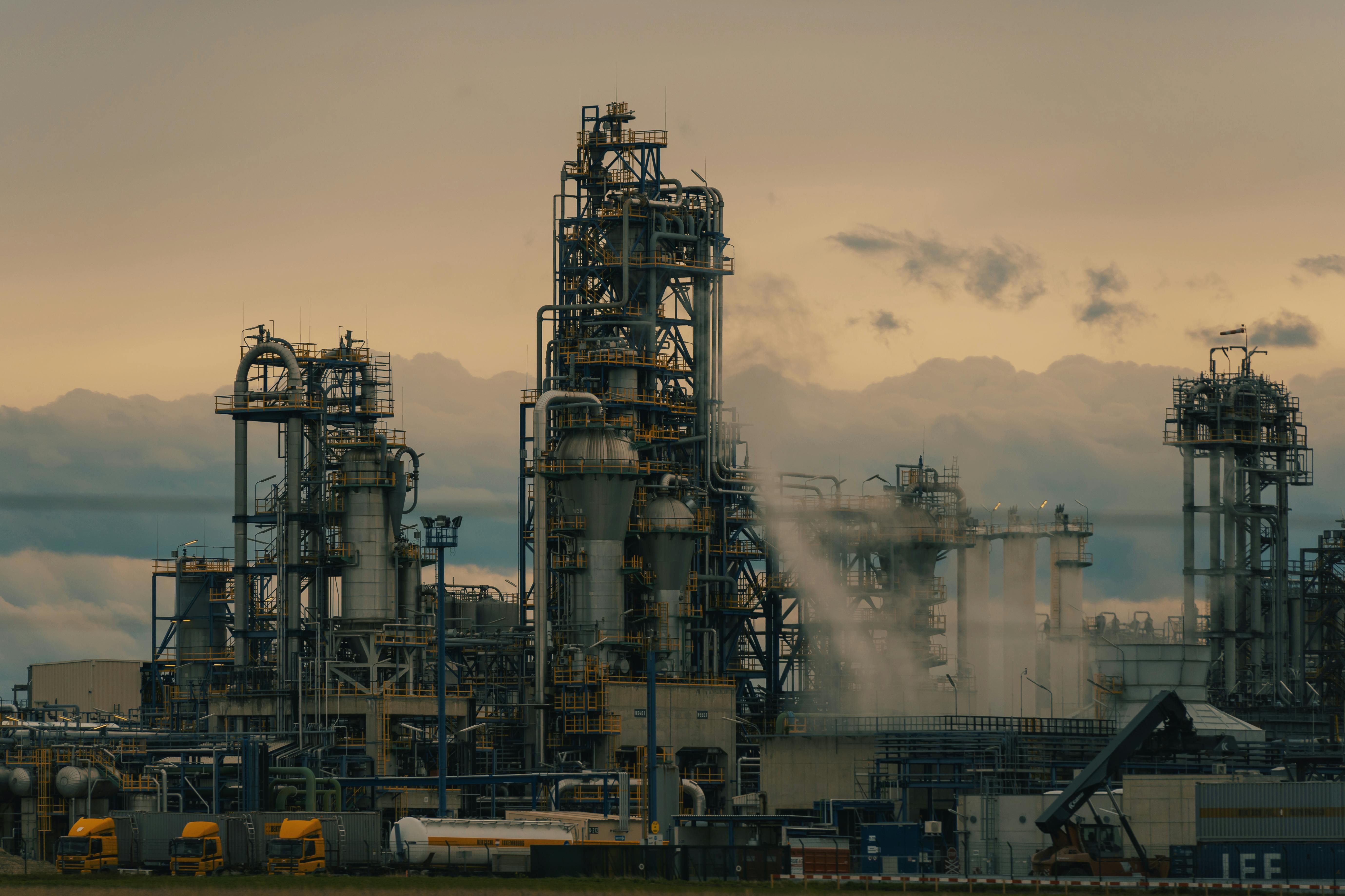
Three main asks: Set robust low-carbon definitions as soon as possible: Without clear thresholds, non-price criteria in procurement lack the dec...
Get our latest news