
Joint letter – ICC reform and expansion risks diverting ETS Revenues from real climate action
In light of the European Commission’s ongoing considerations to amend the ETS State Aid Guidelines, revising the rules for Indirec...
News

Publish date: May 17, 2016
News
Bellona’s response addresses the need to learn from past bioenergy mistakes – including driving deforestation outside Europe, food competition and indirect land use changes – while focusing on the need to look to truly innovative sources for bioenergy, in particular to the oceans and seaweed.
The EU currently relies on bioenergy to meet 60% of its renewable energy target overall, and 90% for the renewable energy in transport target. Bellona is asking that bioenergy continues to play a role, albeit at a vastly improved and potentially dramatically reconsidered manner.
“We need integrated, well-thought through sustainable solutions that take what we have a lot of, like saltwater, to make what we need more of, like sustainable bioenergy” says Bellona advisor Marika Andersen.
“Then we must look at options for integrated solutions, combining for instance offshore wind, aquaculture and seaweed production with advanced biorefining and carbon capture and storage – all the while retaining the cascading use principle at the center” Andersen continues.
Projects like Sahara Forest and Ocean Forest, of which Bellona is a co-founder, are early examples of this.
Bellona works on better understanding the potential of seaweed. While micro algae have benefited from more attention and research, possible energy uses from seaweed are not yet as well studied, but may be significant.
The high carbohydrate content renders seaweeds highly suitable for bioethanol and biobutanol production, where the sugars are fermented. Meanwhile, the low lignin content eliminates many of the challenges currently faced by wood-based bioethanol producers.
Bellona calls on the Commission to further promote sustainable, marine bioenergy for heat and power and biofuels in sectors that can’t otherwise be decarbonised, like aviation.
Bellona further calls on dedicated resources to better understand the environmental risks of industrial scale marine biomass production and to shed light on the difficulties in attaining necessary emission reduction targets and carbon removal without sustainable bioenergy.
In light of the European Commission’s ongoing considerations to amend the ETS State Aid Guidelines, revising the rules for Indirec...

On March 10th 2026, the Commission presented the Clean Energy Investment Strategy, as part of an Energy package to boost investment in homegrown cle...

By Amélie Laurent, CDR Policy Advisor, Bellona Europa Published in REVOLVE Today, EU countries approved Europe’s 2040 climate target:...
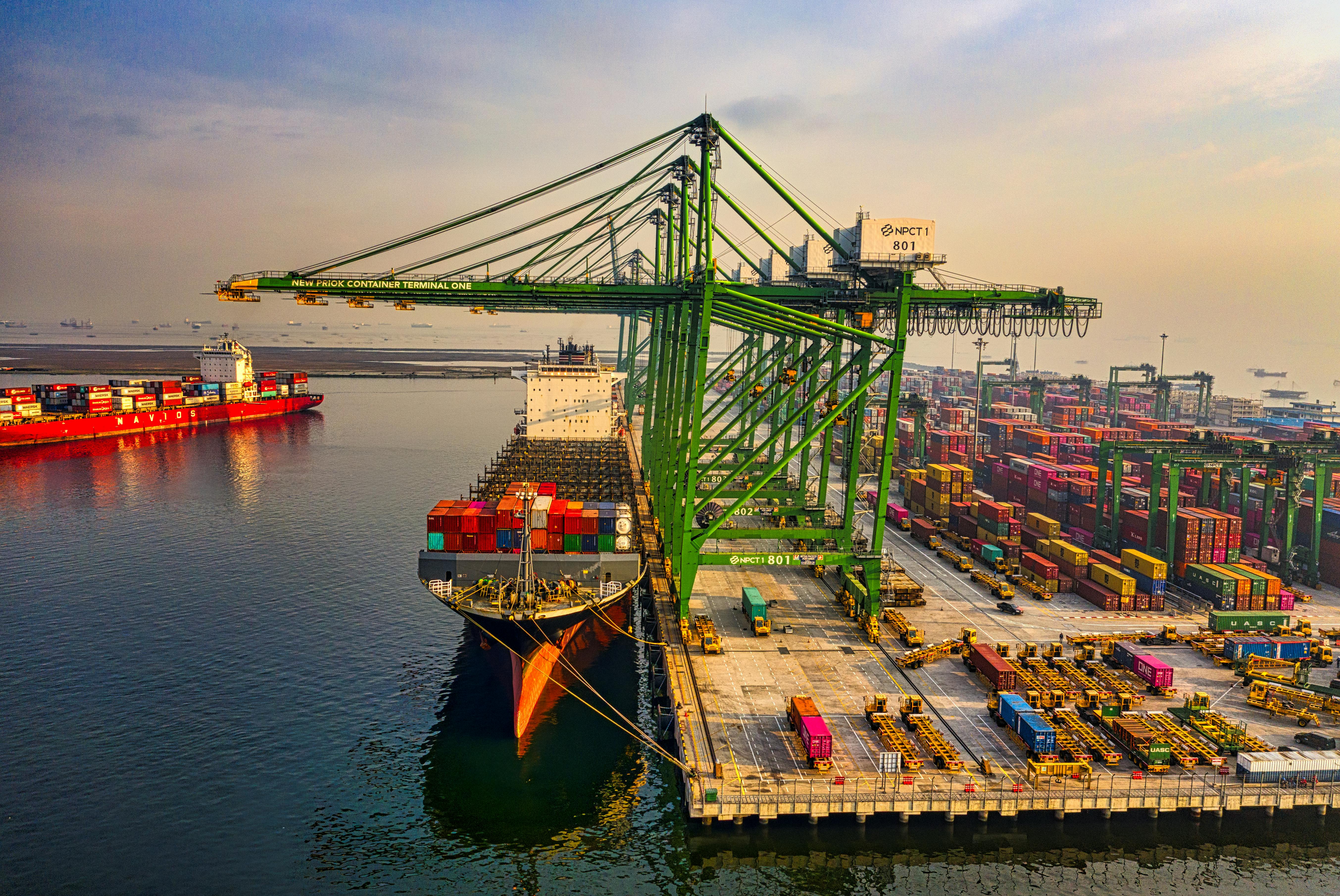
The new EU Ports Strategy rightly recognises that ports are no longer just logistics hubs – they are be...
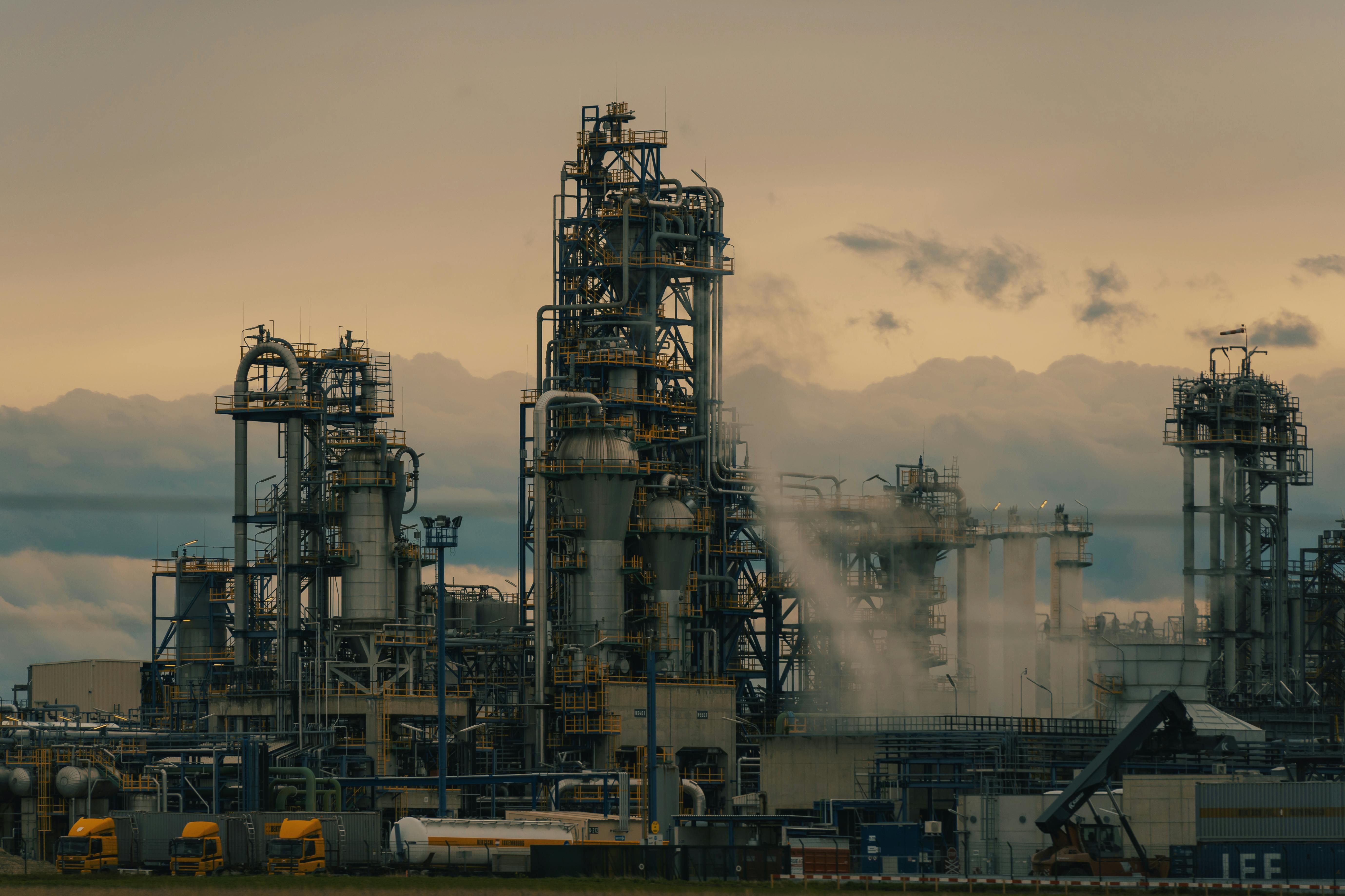
Three main asks: Set robust low-carbon definitions as soon as possible: Without clear thresholds, non-price criteria in procurement lack the dec...
Get our latest news