
Joint letter – ICC reform and expansion risks diverting ETS Revenues from real climate action
In light of the European Commission’s ongoing considerations to amend the ETS State Aid Guidelines, revising the rules for Indirec...
News

Publish date: November 16, 2016
News
The most polluted city in Russia, Norilsk in Siberia, might be seeing the end of the massive pollution from the metallurgical company Norilsk Nickel sooner, rather than later.
BarentsObserver writes that Norilsk Nickel signed a contract for a clean-up with the Canadian Company SNC-Lavalin Inc. this week. The contract is worth $1,7 billion, which makes it one of the biggest ever environmental investments made by the Norilsk Nickel company.
The goal of the project is to reduce Sulphur emissions by introducing new technical solutions on the ground in Norilsk. The project is due to be completed by 2020, and will make sure emissions are cut by as much as 75%.
The goal will be reached by catching emitted Sulphur dioxide from the plants in Norilsk. According to SNC-Lavalin, it is one of the biggest projects of its kind in the world.
If this project is completed, it bodes well for the city of Norilsk.
BarentsObserver also mentions that Norilsk Nickel closed its oldest and most polluting plant in Norilsk earlier this year, a melter built in 1942, removing annual emissions of about 380,000 tons of suplhur dioxide from its records.
The long term consequences of this shutdown is that large volumes of ore is sent to the Kola Peninsula for processing at the plant in Monchegorsk, which undoubtedly may lead to larger production and bigger amounts of polluting emissions in the Murmansk region.
In light of the European Commission’s ongoing considerations to amend the ETS State Aid Guidelines, revising the rules for Indirec...

On March 10th 2026, the Commission presented the Clean Energy Investment Strategy, as part of an Energy package to boost investment in homegrown cle...

By Amélie Laurent, CDR Policy Advisor, Bellona Europa Published in REVOLVE Today, EU countries approved Europe’s 2040 climate target:...
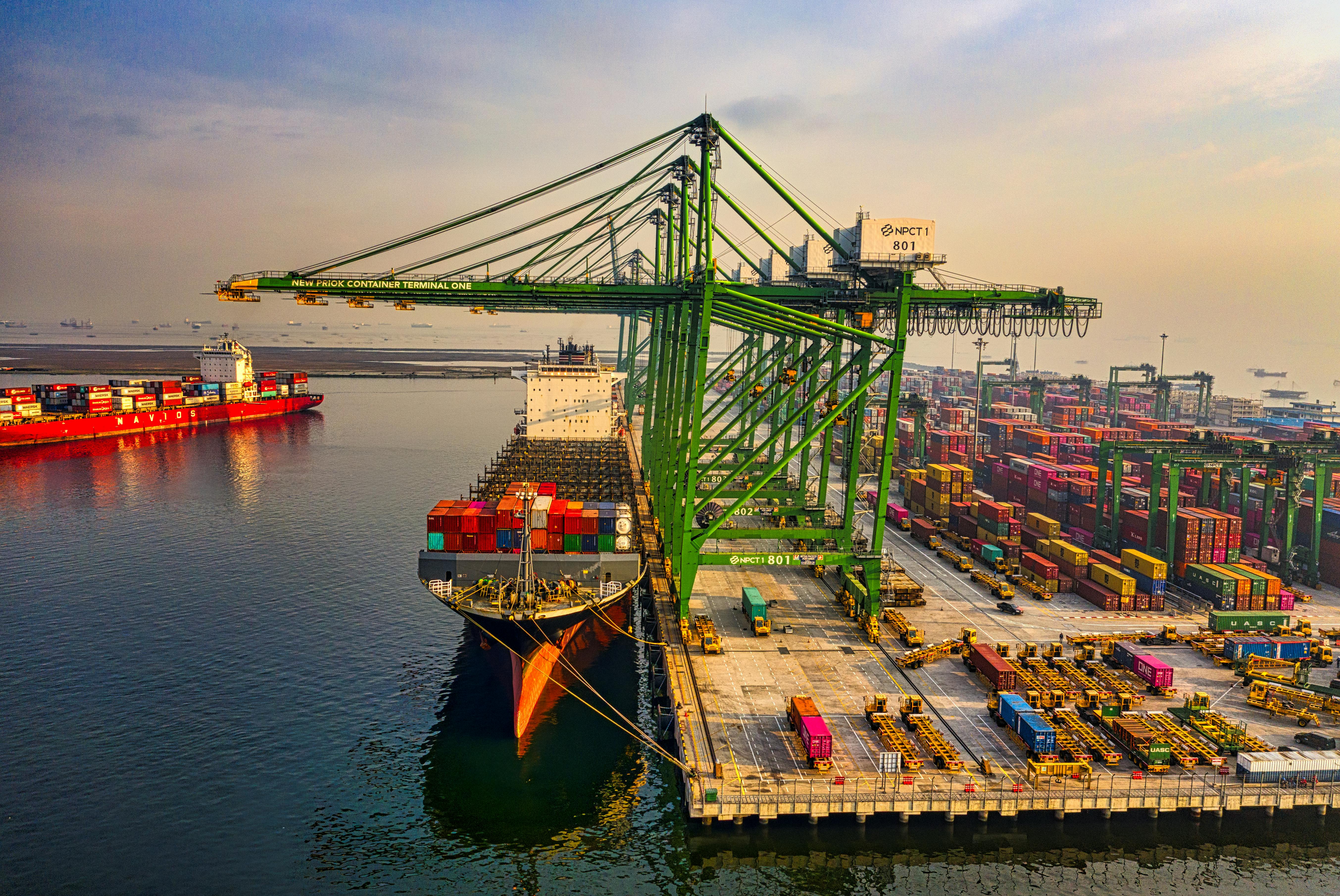
The new EU Ports Strategy rightly recognises that ports are no longer just logistics hubs – they are be...
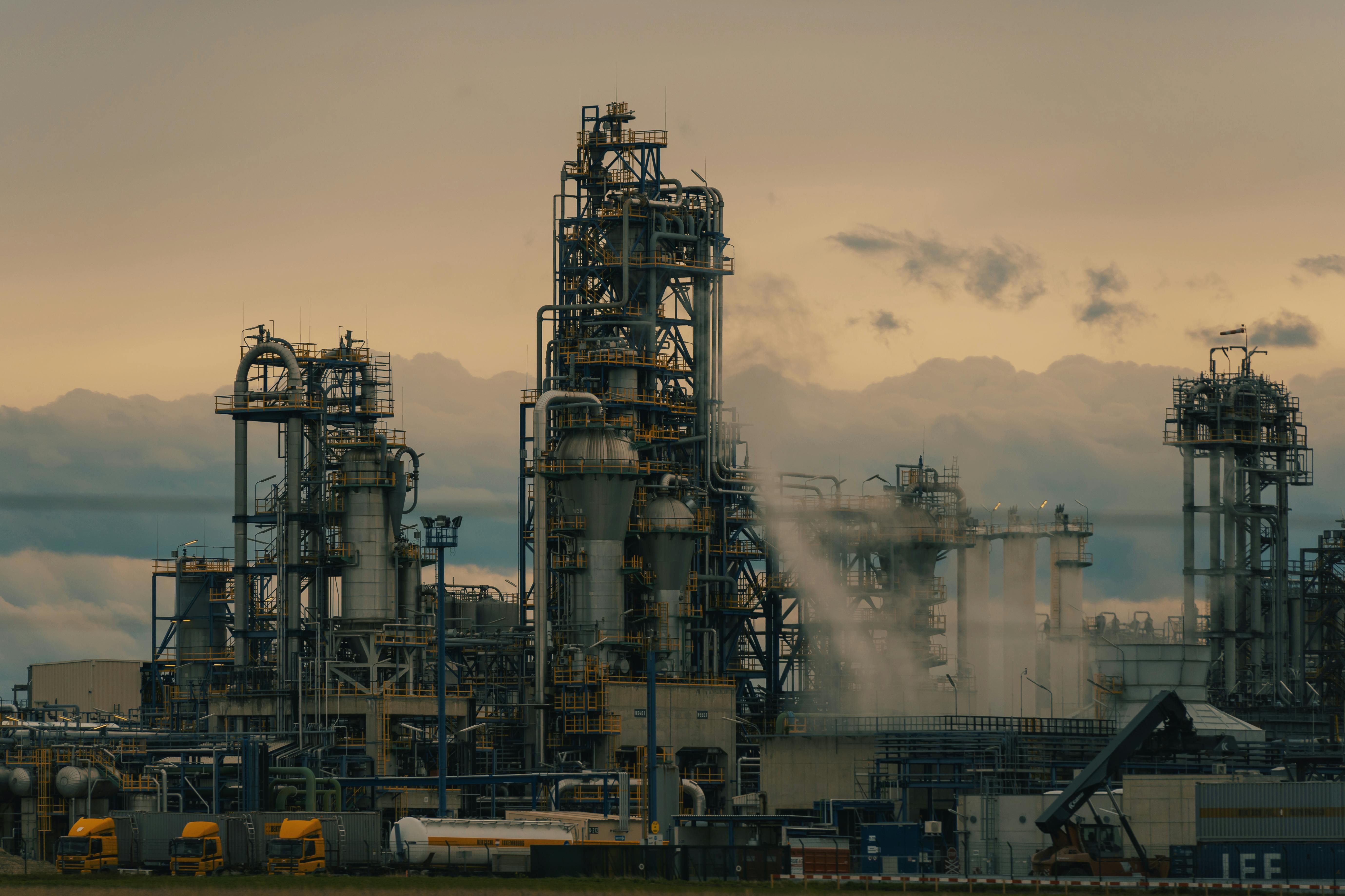
Three main asks: Set robust low-carbon definitions as soon as possible: Without clear thresholds, non-price criteria in procurement lack the dec...
Get our latest news