
Joint letter – ICC reform and expansion risks diverting ETS Revenues from real climate action
In light of the European Commission’s ongoing considerations to amend the ETS State Aid Guidelines, revising the rules for Indirec...
News

Publish date: November 23, 2018
News
Today, climate damaging emissions from heavy industry, such as steel, cement and chemicals, are responsible for a fifth of the EU’s total greenhouse gas emissions. European industrial emissions are already larger than the emissions from all of Europe’s coal plants put together. Since one in five jobs in the EU are related to these sectors, generating one-quarter of Europe’s GDP, action is required to preserve the climate in line with preserving jobs and competitivity.
With increasingly adverse effects of climate change heading our way, quick measures must be taken regarding the industry sector, which has often been at the periphery of climate considerations. If industries are not provided with a way to reduce their dependence on climate damaging technologies, then CO2 concentrations in the atmosphere will inexorably surpass all targets leading to global temperatures increasing far beyond 2°C compared to pre-industrial times. This will lead to irreversible breakdown of the ecosystems that sustain us and will permanently hamper all future generations.
Our report: “An Industry’s Guide to Climate Action”, launched on the 26th November 2018, outlines how heavy industry and the regions that host them must take up their fair share of responsibilities in moving towards a low-carbon economy. Industries play a key role in maintaining a country’s prosperity. However, today’s industries have to act and adopt new technologies, which already exist and are in development, to adapt their ways of producing. With existing technologies, it is possible for industries to cut down on emissions whilst keeping their competitive advantage.
Industrial regions in the European Union, such as the port of Rotterdam in the Netherlands and North Rhine-Westphalia in Germany, offer a big potential for strategic investments towards shared infrastructure; one of these being shared CO2 transport and storage networks, creating a European network. These can deeply reduce CO2 emissions from steel, cement and chemicals. Some regions are moving ahead: the port of Rotterdam is developing a shared CO2 network and Norway is proposing an accessible CO2 storage site that Europe can use. With shared CO2 transport and storage networks in addition to increasing industrial electrification, greater production efficiency and circularity, it will be possible to deeply cut emissions and produce clean low carbon goods from Europe’s industrial base. The potential and options are there. Industry needs to begin implementing the solutions available to them and political forces must begin strategic investments to develop future solutions now.
The report was launched on the 26th of November 2018 at the Representation of North Rhine Westphalia, Rue Montoyer 47, 1000 Brussels, between 9:00am and 11:30am.
In light of the European Commission’s ongoing considerations to amend the ETS State Aid Guidelines, revising the rules for Indirec...

On March 10th 2026, the Commission presented the Clean Energy Investment Strategy, as part of an Energy package to boost investment in homegrown cle...

By Amélie Laurent, CDR Policy Advisor, Bellona Europa Published in REVOLVE Today, EU countries approved Europe’s 2040 climate target:...
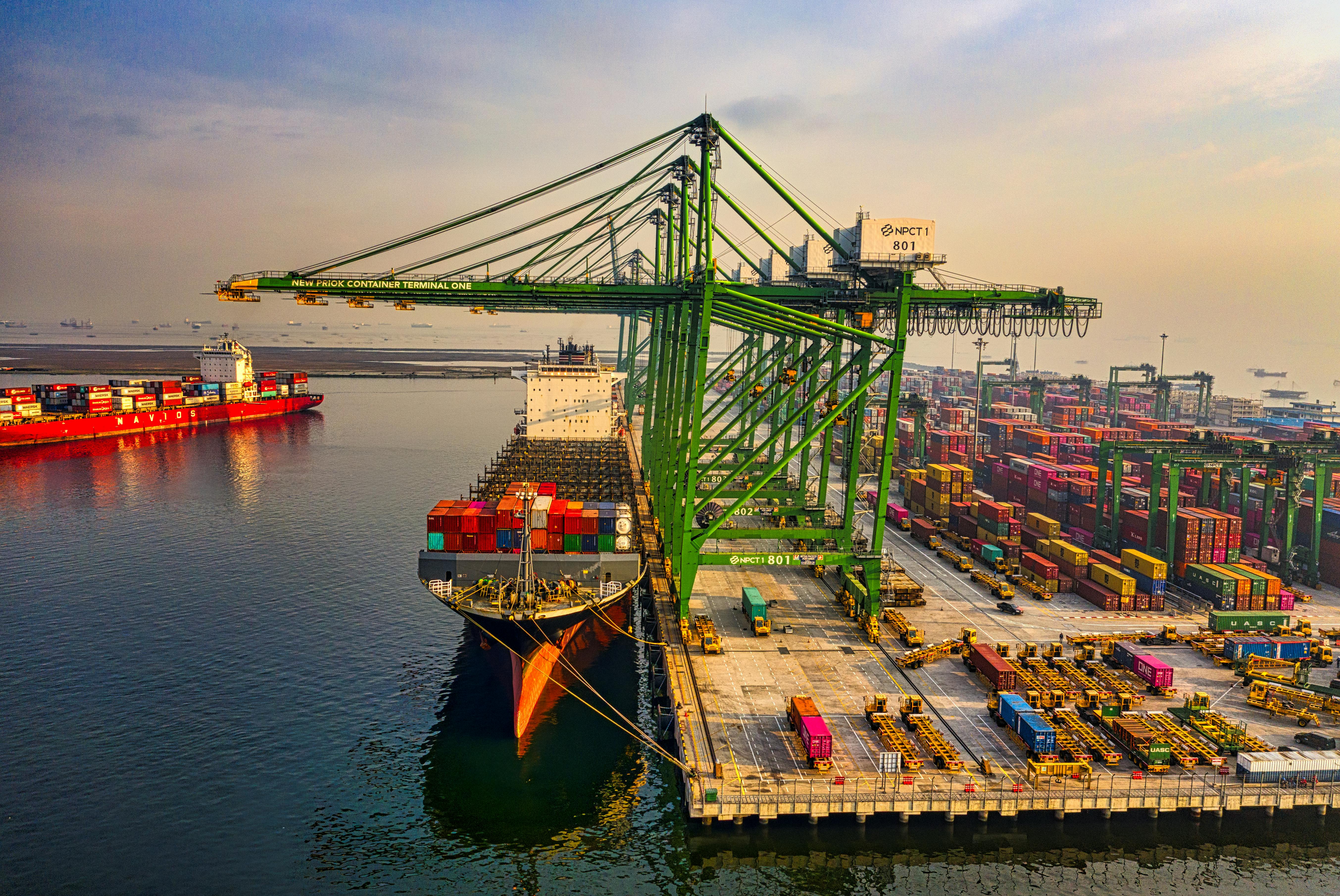
The new EU Ports Strategy rightly recognises that ports are no longer just logistics hubs – they are be...
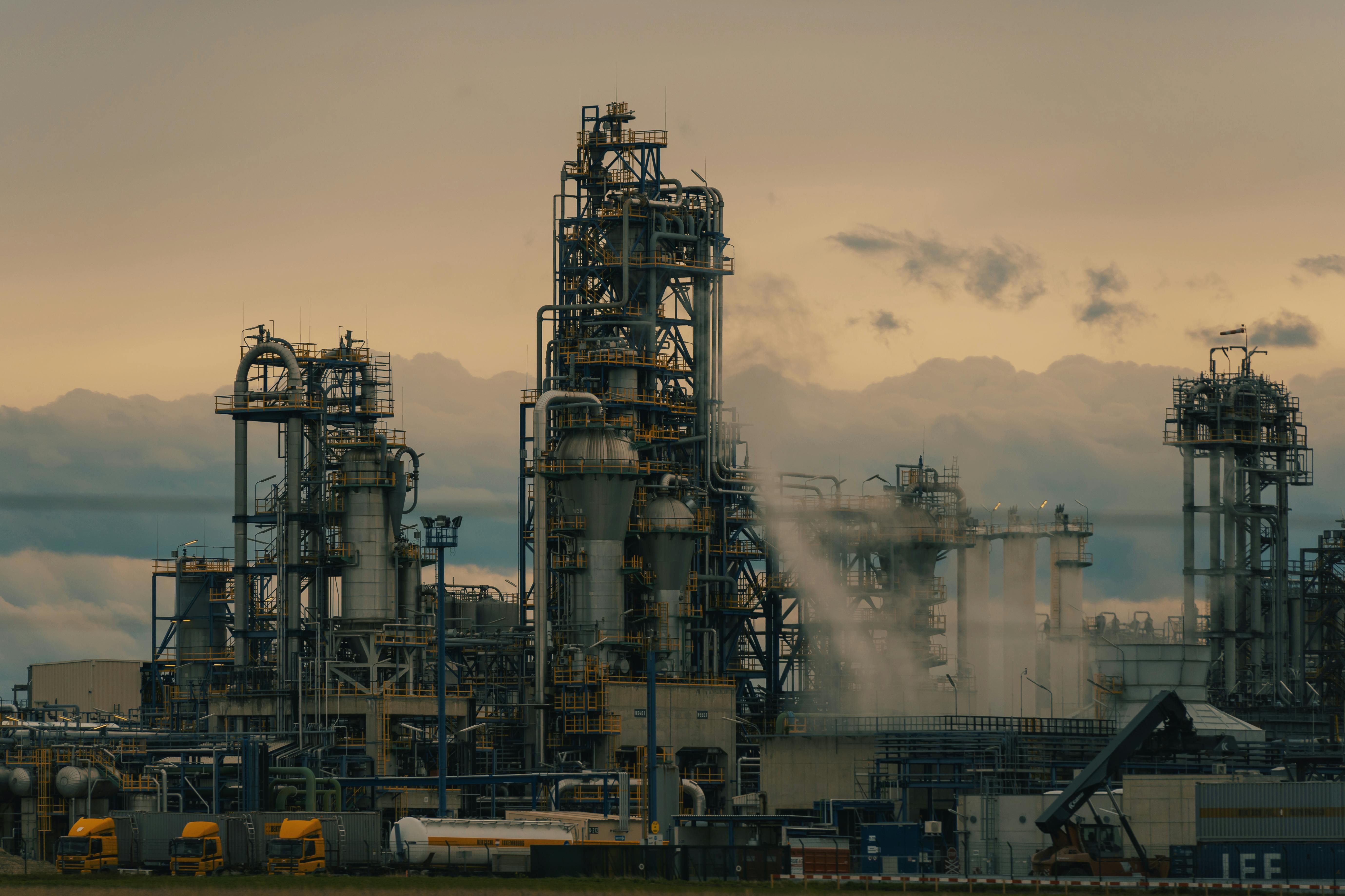
Three main asks: Set robust low-carbon definitions as soon as possible: Without clear thresholds, non-price criteria in procurement lack the dec...
Get our latest news