
Joint letter – ICC reform and expansion risks diverting ETS Revenues from real climate action
In light of the European Commission’s ongoing considerations to amend the ETS State Aid Guidelines, revising the rules for Indirec...
News

Publish date: March 16, 2022
News
Eliminating both internal combustion engines and fossil fuel inputs in industry around the world means a big increase in our electricity consumption, but doesn’t necessarily require that much more from the power grid as you might think. A huge increase in the use of batteries represents both a challenge and an essential part of the solution.
Despite high electricity prices recently, the long-term goal is for a much larger share of our energy consumption to become electric. Power systems in Europe are subject to major changes in the years to come, both due to the phasing out of fossil energy and new geopolitical realities. In this video, Benjamin Strandquist from our Oslo office explains how increasing the use of batteries in vehicles, ships and industry represents a smaller challenge than you might think, because batteries themselves can help balance power consumption on a large scale.
Requiring all chargers to be smart ready will enable a roll-out of infrastructure that can both support the much-needed switch to direct electrification, and help the grid to cope with the integration of high penetration of non-dispatchable renewables. Only smart chargers can ensure that the batteries of the EV fleet become useful to the grid, by providing balancing services, instead of creating a further demand peak that will require power generation from fossil fuels to be met. If smart charging does not get extended to all chargers in the Energy Performance of Buildings Directive (EPBS) and the Alternative Fuel Infrastructure Regulation (AFIR), Europe will risk locking-in charging technologies that will be already outdated the moment they get deployed.
In light of the European Commission’s ongoing considerations to amend the ETS State Aid Guidelines, revising the rules for Indirec...

By Amélie Laurent, CDR Policy Advisor, Bellona Europa Published in REVOLVE Today, EU countries approved Europe’s 2040 climate target:...
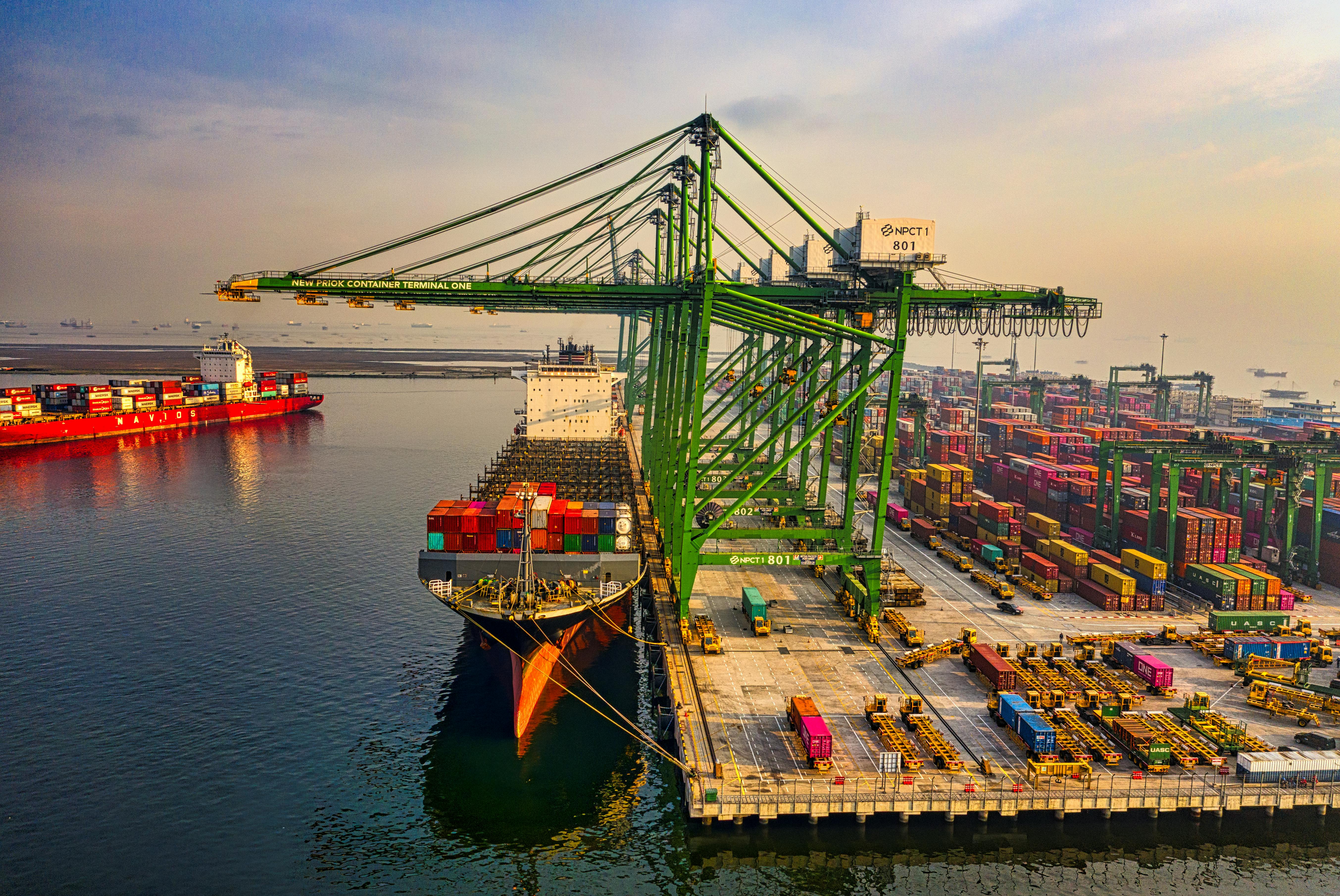
The new EU Ports Strategy rightly recognises that ports are no longer just logistics hubs – they are be...

Three main asks: Set robust low-carbon definitions as soon as possible: Without clear thresholds, non-price criteria in procurement lack the dec...
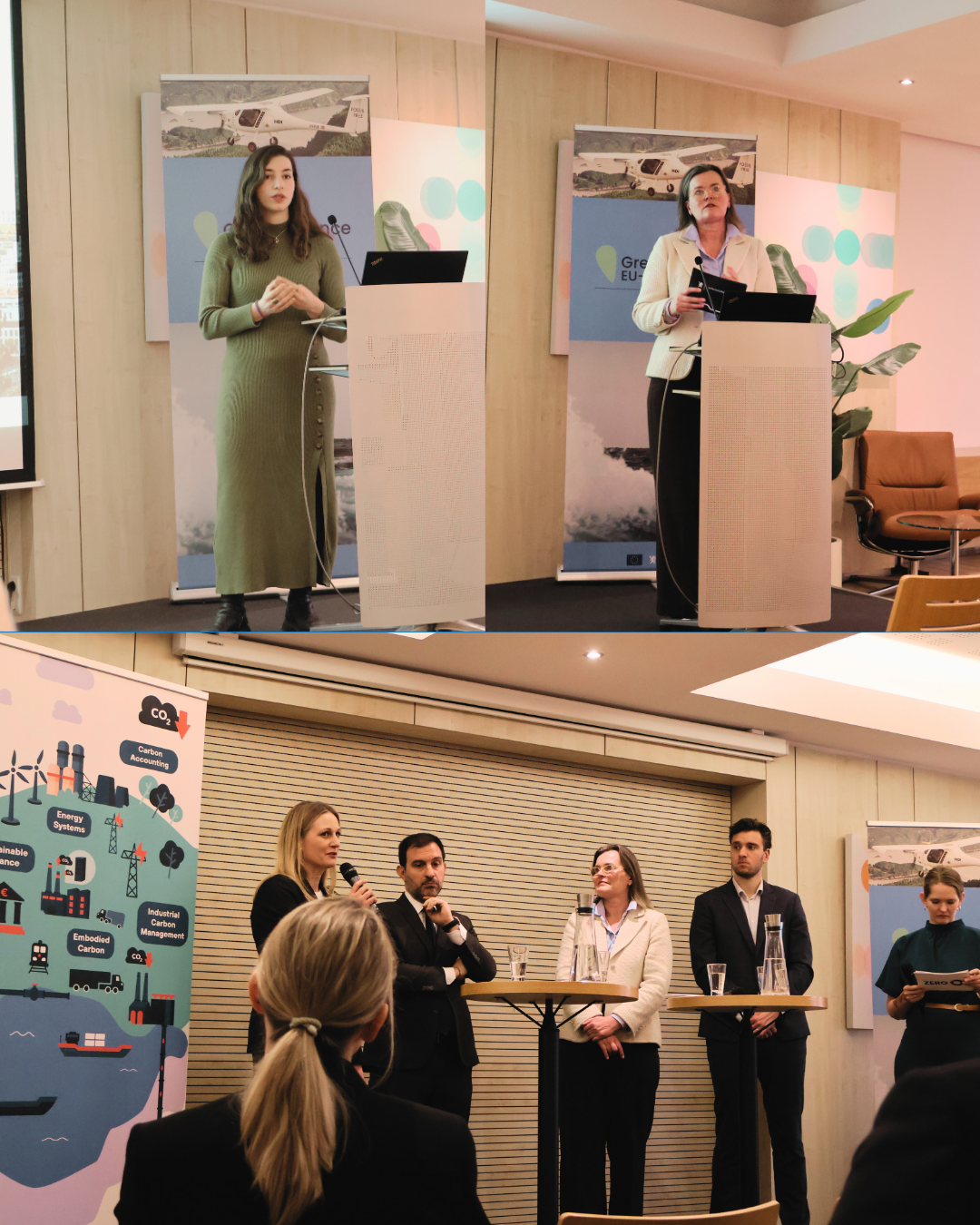
On 24 February 2025, Bellona Europa co-hosted a breakfast seminar at Norway House in Brussels alongside ZERO and the Mission of Norway to the EU, bringing together policymakers, manufacturers, and procurement practitioners around a single conviction: European cities hold a decisive and largely untapped lever for decarbonising construction. With the revision of the EU Public Procurement Directives on the horizon, the moment to use it is now.
Get our latest news