
Joint letter – ICC reform and expansion risks diverting ETS Revenues from real climate action
In light of the European Commission’s ongoing considerations to amend the ETS State Aid Guidelines, revising the rules for Indirec...
News

Publish date: October 9, 2025
News
For years, Latvia’s significant potential for permanent CO₂ storage both onshore and offshore has offered a promising solution for industrial decarbonisation and reducing emissions to the atmosphere1.
Latvia has decades of experience storing natural gas in geological formations2. However, the potential to store CO₂ had remained untapped due to a legal ban – until now. On October 9th, 2025, the Latvian Parliament approved long-anticipated amendments to the Law on Pollution, lifting the ban on permanent CO₂ storage in geological formations.
This follows another major milestone on April 3rd, 2025, when Latvian Parliament amended the Law on Subterranean Depths, setting out key elements for geological CO₂ storage, including site exploration, licensing, operation, closure, and long-term stewardship. These amendments, entered in force since July 1st, 2025, also require the Cabinet of Ministers to develop detailed regulations on operator responsibilities, third-party access, and dispute resolution procedures.
With these changes, Latvia is now aligning its legal framework with the EU CO₂ Storage Directive in full capacity, ensuring safe and regulated CO₂ storage. This progress is vital to strengthen the competitiveness and just transition of hard-to-abate industries – most notably cement production – while contributing significantly to national climate goals.
Bellona Europa has been actively contributing to this progress in Latvia, engaging with policymakers, industry, and civil society to build momentum for Carbon Capture and Storage (CCS) deployment in the country and the wider Baltic Sea region. As a member of the BASRECCS network and its Baltic Carbon Forum, we addressed a joint letter to the relevant ministries calling for action for CCS deployment in the Baltic Sea Region. Bellona Europa continues its involvement working on public perception and capacity building for many aspects of carbon management through the EUKI-funded GreenHorizon CEE Project in Latvia. Earlier, with the CCS4CEE project, we initiated regional discussions and activities on the long-term deployment of CCS in Latvia and other countries in Central and Eastern Europe. We are proud that these combined efforts are now leading to tangible results.
1 Horizon Europe project “Zero Emission Network to facilitate CCUS uptake in industrial clusters’’, Deliverable 1.1. published on 12 June 2023
2 Information about Incukalns natural gas geological storage site https://www.conexus.lv/information-about-storage
In light of the European Commission’s ongoing considerations to amend the ETS State Aid Guidelines, revising the rules for Indirec...
On 19 March, Bellona Europa, Oslo’s Climate Agency, Hafslund Rådgivning, and SINTEF hosted the concluding conference of the Powering-Up a REnew...

On March 10th 2026, the Commission presented the Clean Energy Investment Strategy, as part of an Energy package to boost investment in homegrown cle...

By Amélie Laurent, CDR Policy Advisor, Bellona Europa Published in REVOLVE Today, EU countries approved Europe’s 2040 climate target:...
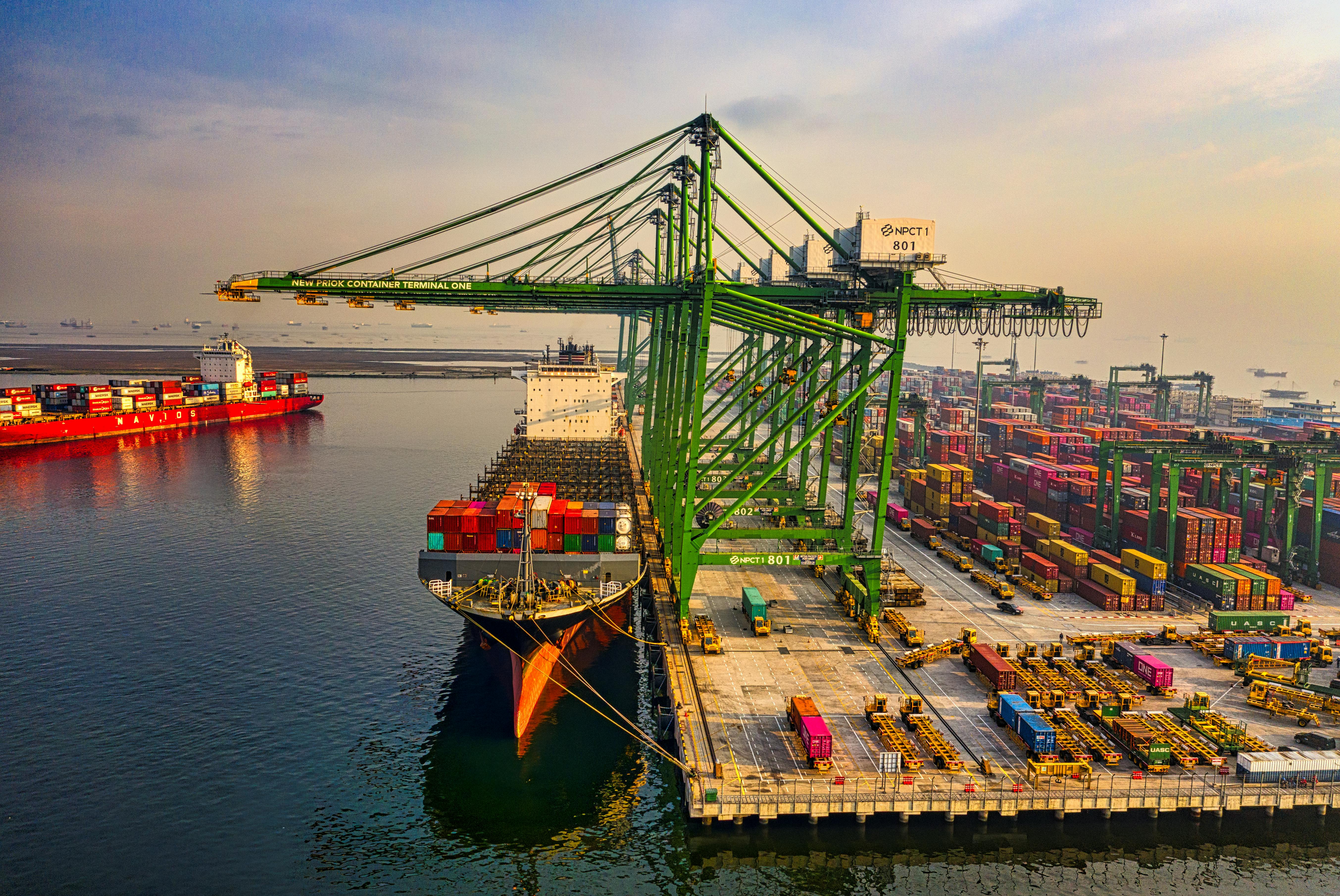
The new EU Ports Strategy rightly recognises that ports are no longer just logistics hubs – they are be...
Get our latest news