
Joint letter – ICC reform and expansion risks diverting ETS Revenues from real climate action
In light of the European Commission’s ongoing considerations to amend the ETS State Aid Guidelines, revising the rules for Indirec...
News
Publish date: January 27, 2026
News
Policy Roundtable Takeaways
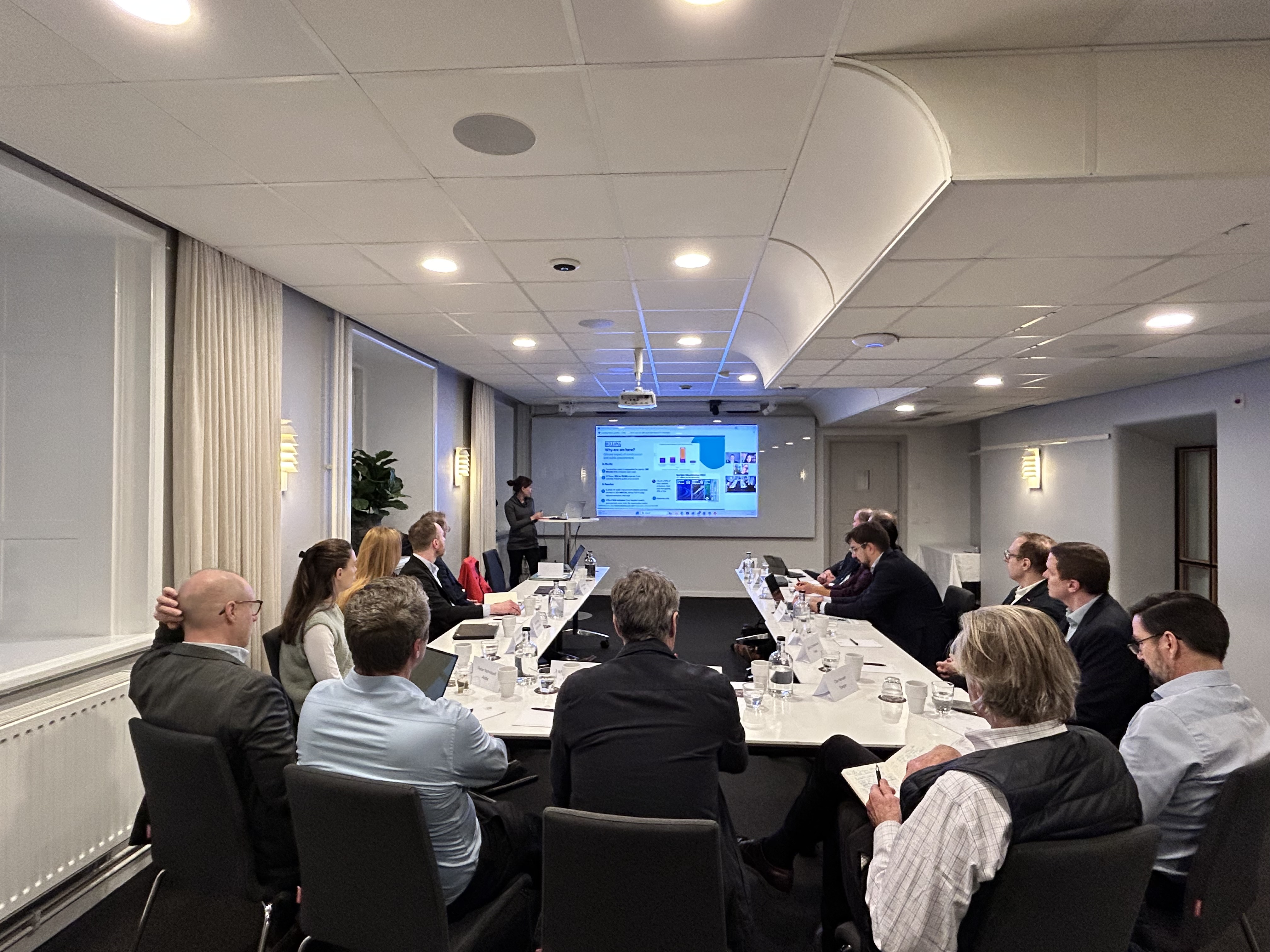
On December 18th, 2025, Bellona organised a policy roundtable gathering the Swedish construction value chain, public procurers, state agencies, researchers, and civil society organisations to examine how EU and national policies can accelerate the decarbonisation of the construction industry. The focus was on lead markets creation for low-carbon products, especially steel and zero-emission construction equipment. Discussions centred on the proposed lead markets tools under the EU Clean Industrial Deal, including public and private procurement, sustainability and resilience criteria, environmental performance labels, and local content criteria.
The following organisations and companies participated in the roundtable: Stegra, Ovako Group, WWF Sweden, City of Stockholm, Swedish Transport Administration, Fossil Free Sweden, Peab, Skanska, Adda, Nordic Near Zero Steel Group, Pure Energy, Viable Cities, European Climate Foundation, and Max Åhman, Professor and Head of Division, Environmental and Energy Systems Studies at Lund University.
The past year was characterised by a slowdown in the EU’s climate ambition and increasing policy uncertainty around the pathway to net-zero in 2050. These tendencies pose challenges for front-runners, whose competitive edge is under pressure. Still, Swedish industry actors largely remain ambitious and committed to the green transition, as they realise it is key to competitiveness and resilience.
Unless the weakening of EU climate policy is reversed, Nordic and European companies investing in industrial decarbonisation will continue to face a competition gap with polluting technologies and products. This could effectively stop the EU from reaching both its climate goals and global competitiveness ambitions.
Demand-side instruments continue to be the weakest link in EU green industrial policy. The Clean Industrial Deal promises to tackle some of these shortcomings through the Industrial Accelerator Act (IAA) and the Public Procurement Directives Revision.
As of now, the Industrial Accelerator Act (IAA) focus on lead market creation is largely on the steel environmental performance label and the European preference criteria.
Although in the past months we’ve seen differing views on labeling approaches, industry agrees that sustainability labels should reward deep decarbonization of steel production from the outset. A holistic view of the needs of both the primary and recycling-based industries is key when planning market-wide measures.
Furthermore, any link between the steel label and public procurement should encourage the use of the most environmentally ambitious solution while clarifying the labels’ complementary role alongside Environmental Product Declarations, which already offer detailed data on environmental performance for private and public buyers.
Yet, for some industries, this might not be enough to support large-scale low-carbon industrial production. A key example is primary steel producers, for whom the construction sector and public procurement often play only a marginal role. For the flat steel industry, private procurement policies such as mandatory quotas and green credits in important downstream sectors like automotive are essential to create a business case for decarbonisation.
The Made in Europe criteria is another instrument intended to support the European industry. Still, it remains unclear to what extent it would support industrial decarbonisation.
During the policy roundtable, participants agreed that the Made in Europe criteria as a standalone policy wouldn’t be effective. Its connection to decarbonisation and innovation efforts is vital to effectively promote the industrial transition, which is crucial to the EU’s long-term competitiveness in the global market. I’s also important to craft this instrument carefully to avoid disrupting global trade and value chains, which are essential to the green transition and tackling climate change worldwide.
Price and product quality continue to dominate purchasing decisions in public and private procurement alike. CO2 emissions from steel and construction machinery are not yet enough of a tipping factor for consumers.
In the EU, only 21% of large contracts – those above EU award thresholds – incorporate environmental requirements. As a result, public procurement remains a major source of pollution, accounting for 11% of the EU’s GHG emissions and 25% of emissions in the construction sector.
Mandatory EU environmental criteria for public procurement are needed to lift the bar and increase demand for low-carbon products across the continent. Importantly, these should be designed as a strong baseline and allow for countries, regions, and municipalities to implement more ambitious green public procurement rules and promote innovation.
How can this be done in practice?
Adopting climate goals and climate budgeting policies for construction projects can help public procurers to determine life-cycle emission caps and inform the design of green public procurement. This is the case, for instance, for the Swedish Transport Administration and the City of Stockholm, which aim to be climate-neutral by 2040 and 2030 respectively.
Environmental requirements must be based on solid standards for life-cycle assessments, accounting for emissions sources at all stages of the construction value chain – from raw materials extraction to the end-of-life emissions of buildings and infrastructure.
Green public procurement can be complemented by supply-side policies, intended to ensure the viability of clean construction projects. Targeted subsidy schemes, such as the Swedish Transport Administration’s 2,50 SEK/kWh bonus scheme for electrifying construction machinery, are designed to de-risk contractors’ investments and level the playing field for small and medium enterprises. Green premiums should be factored in early in decision-making and budgeting, possibly together with Environmental Impact Assessments. This can help avoid slowdowns caused by financial resource constraints. Carbon pricing also needs to be considered in the early stages. This ensures that sustainable products and services are not disadvantaged vis-à-vis polluting ones, and that the real costs to the environment and society of grey materials and fossil fuels use are factored in.
Further, procurers should clearly communicate the costs of carbon to applicants. One way to do that is by including a bonus-malus system for meeting or exceeding emission limits in public procurement.
It’s key to consider that most of procurement happens in small municipalities, which often face practical barriers, including a lack of resources for market analysis and project follow-up. To expand public demand for clean construction, greater effort is needed to strengthen administrative capacity and increase resources for key procurement actors.
Improved resource and materials efficiency, including circularity, are major climate and competitiveness levers. Extraction and processing of raw materials make up the largest share of emissions from materials. However, the environmental costs of using virgin materials are not reflected in consumer prices. This results in a paradoxical situation in which reuse and recycling are often more expensive than sourcing virgin materials1.
Competition for critical raw materials is anticipated to increase globally, making it harder for the EU to access affordable virgin materials. Hence, promoting resource efficiency and circularity provides a sustainable option for the EU to meet the goals of the Critical Raw Materials Act and enhance its strategic autonomy, while safeguarding against the consequences of disruptions in global value chains and geopolitical instability.
Swedish construction companies are aware of the environmental and cost-efficiency opportunities offered by material-efficient design. However, they face regulatory obstacles that lead to excessive material use and limit the potential for material reuse, since unused materials are generally treated as waste.
The opportunities for increased resource efficiency seem to be understood also by EU and national policy makers. However, action is too slow The Circular Economy Act presents an opportunity to combine material efficiency policies with industrial policy to improve resource sovereignty and competitiveness.
The Roundtable closed with an important message: adding new policy while relaxing existing core climate policies is inefficient and counterproductive.
To drive systemic change, carbon prices under the ETS1 and ETS2 must effectively level the playing field for environmentally sustainable production and technologies. supported by a strengthened CBAM that prevents circumvention, including downstream carbon leakage.
In fact, clean fuel subsidies can only work if conventional fuels are correctly priced. In Sweden, persistently low diesel prices have disadvantage the use of electric construction equipment, even with the aforementioned subsidy scheme in place. The delay of ETS2 is only expected to worsen this disadvantage.
The discussions on the phase-out timeline of free allowances under ETS1 and the postponement of ETS2 are creating market uncertainty, diverting investment, and jeopardizing the chances of developing a competitive green industrial base.
To promote an innovative industrial base that can compete on the global market, the EU must stay the course on the Green Deal path and reinforce its commitment to it.
In light of the European Commission’s ongoing considerations to amend the ETS State Aid Guidelines, revising the rules for Indirec...
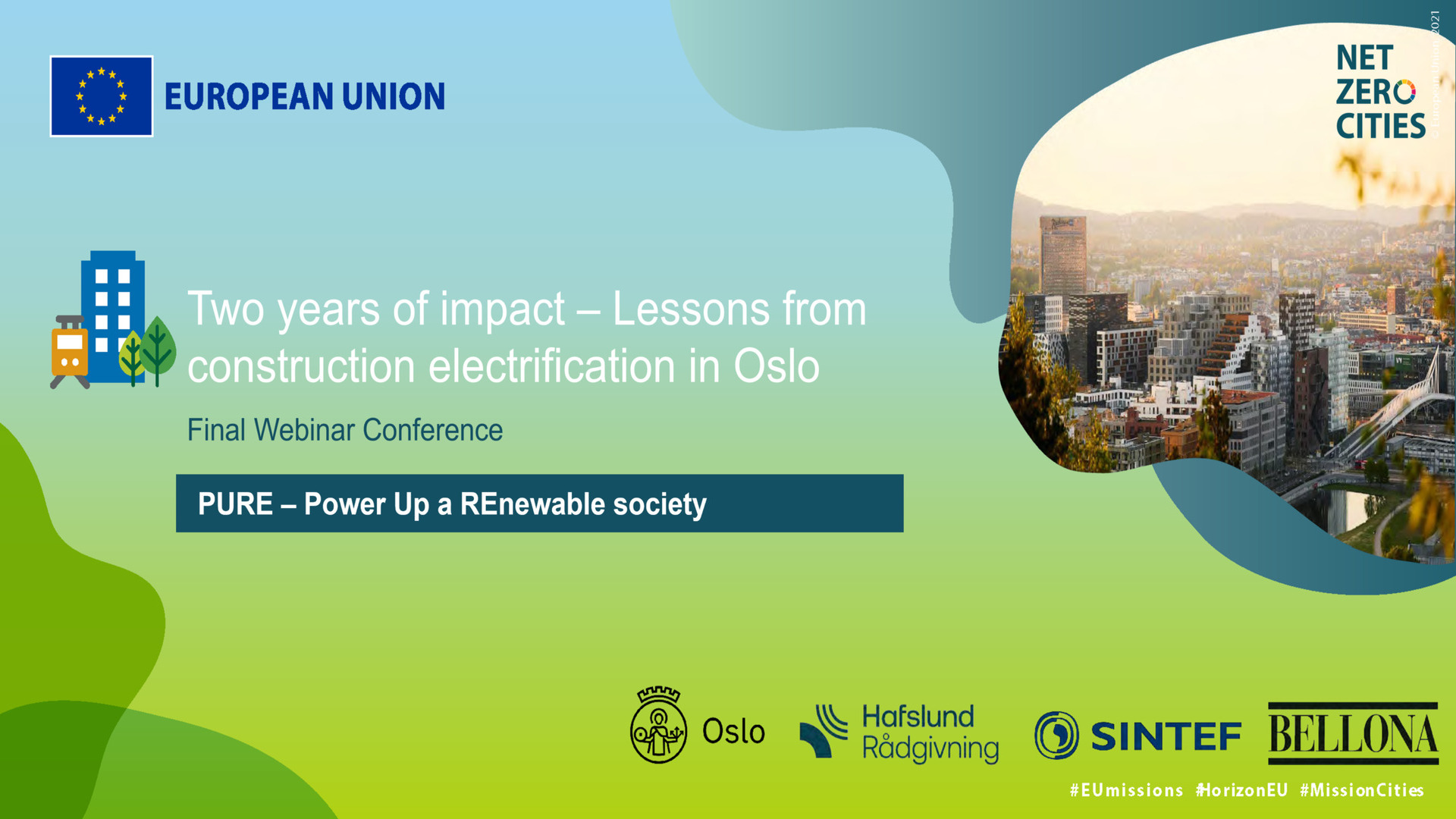
On 19 March, Bellona Europa, Oslo’s Climate Agency, Hafslund Rådgivning, and SINTEF hosted the concluding conference of the Powering-Up a REnew...

On March 10th 2026, the Commission presented the Clean Energy Investment Strategy, as part of an Energy package to boost investment in homegrown cle...

By Amélie Laurent, CDR Policy Advisor, Bellona Europa Published in REVOLVE Today, EU countries approved Europe’s 2040 climate target:...
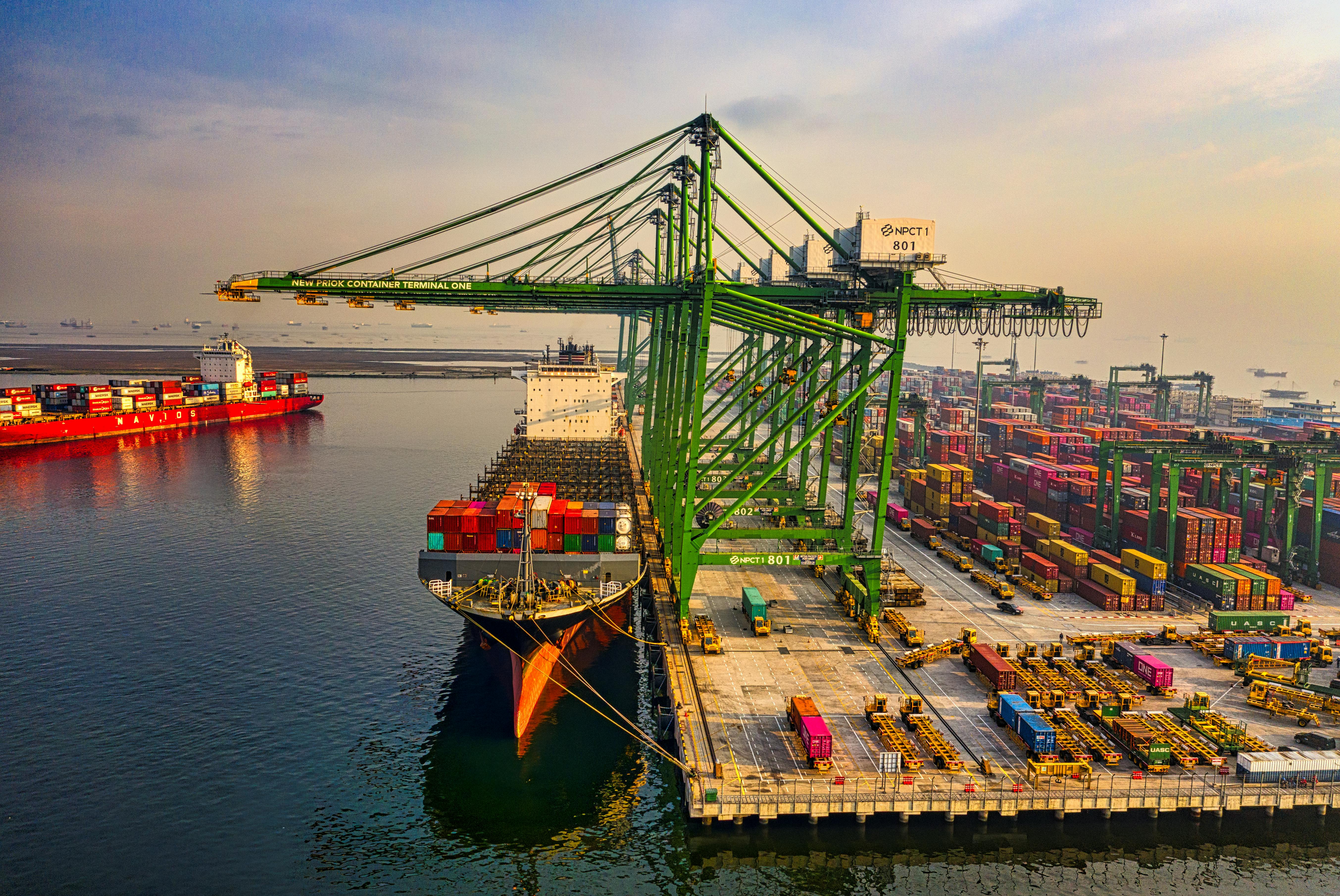
The new EU Ports Strategy rightly recognises that ports are no longer just logistics hubs – they are be...
Get our latest news