
Joint letter – ICC reform and expansion risks diverting ETS Revenues from real climate action
In light of the European Commission’s ongoing considerations to amend the ETS State Aid Guidelines, revising the rules for Indirec...
News

Publish date: December 1, 2025
News
Today, the European Commission adopted a new Union list of energy Projects of Common Interest (PCIs) and Projects of Mutual Interest (PMIs), granting priority status under the TEN-E Regulation to 113 electricity, offshore and smart electricity grid projects, 100 hydrogen and electrolyser projects, 17 CO₂ transport infrastructure projects, 3 smart gas grids projects and 2 projects linked to island Member States, Malta and Cyprus.
PCIs/PMIs are a powerful tool, but only if they steer investment towards direct electrification, no-regret hydrogen, and climate-aligned CO₂ infrastructure, consistent with the EU Climate Law and the Net-Zero Industry Act.
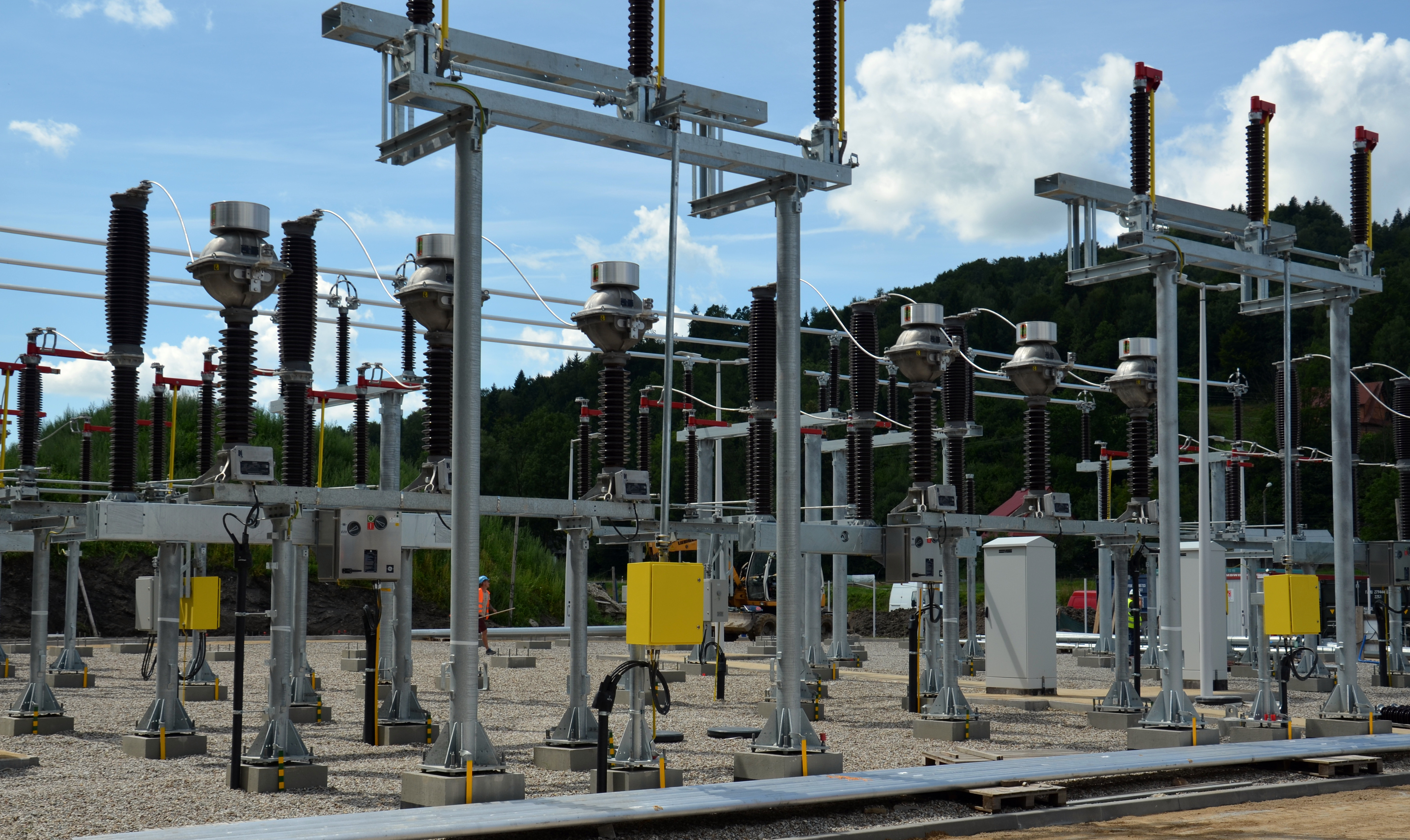
Bellona Europa sees an overall a positive signal for electricity. A large share of PCI/PMI projects are electricity transmission, offshore and smart grid projects, reflecting the central role of electricity grids in integrating renewables, supporting decarbonisation and meeting our climate targets.
Many electricity projects in the list increase interconnection capacity on congested borders, supporting renewable integration, improving market coupling and strengthening security of supply. Certain projects also go beyond this and aim to reinforce internal transmission, allowing existing cross border capacity to be better used. Projects aimed at strengthening grids in regions with high electricity demand and new loads should focus on improving flexibility and hosting capacity, as this is essential for industrial electrification and long-term competitiveness in a net-zero economy.
With regards to hydrogen projects, Bellona believes PCI/PMI status – and any associated public support – should be limited to no-regret hydrogen infrastructure linking industrial demand with no viable decarbonisation alternative to production and storage of renewable and low-carbon hydrogen with high climate safeguards. Selection should be based on each project’s whole-system decarbonisation value, not on expanding a hydrogen economy for its own sake, with funding focused on targeted hydrogen uses and fit-for-purpose networks to avoid overbuild and stranded assets.
Identifying truly no-regret corridors requires system-wide planning that looks at direct electrification first, maximises system efficiency, complimenting all climate-aligned decarbonisation pathways.
We welcome the awarding of the PCI/PMI status to the projects in the CO2 networks thematic area announced today, this is an important step towards expanding access to permanent CO2 storage for industries relying on Carbon Capture and Storage (CCS) to fully decarbonise.
It is important to mention that public support must prioritise high climate value infrastructure and avoid the risks of locking in fossil fuel use. Projects involving CO2 utilisation must also be subject to robust life-cycle emission assessments and full transparency to ensure they deliver real and verifiable emission reductions.
As these awarded projects move forward, we look forward to seeing strong transparency, robust MRV, and geologically balanced deployment of CO2 transport and storage infrastructure so that all European industries can decarbonise at pace.
Conclusion
After today’s adoption, the PCI/PMI list now goes to the European Parliament and the Council as a Delegated Act revising an annex to the TEN-E Regulation. The co-legislators now have two months – extendable by a further two – to accept or reject the list in full, after which the focus must shift decisively to implementation with Member States and project promoters.
Bellona Europa will soon publish further commentary on the new list. The PCI process, together with the forthcoming European Grids Package must ensure that the future infrastructure will enable European decarbonisation.
In light of the European Commission’s ongoing considerations to amend the ETS State Aid Guidelines, revising the rules for Indirec...

Wednesday, September 9, 2026 – Brussels, Belgium Today, the European Commission proposed a new Public Procure...

Co-authored by: Amélie Laurent, Bellona Europa and Kenneth Möllersten, IVL Swedish Environmental Re...

By Enrico Cipelli Alves, Policy Advisor, Sustainable Markets & CCS Published in Revolve This year’s Strait of Hormuz disruption&...
On 17 July, the European Commission unveiled the long-awaited Electrification Action Plan (EAP), alongside with a regulation...
Get our latest news