News

Bellona Europa’s wish list – Industrial Accelerator Act, Grids Package and CBAM

Publish date: December 4, 2025

The European Commission is set to publish the the Grids Package on December 10th, the different legislative proposals and secondary legislations related to the Carbon Border Adjustment Mechanism (CBAM) on December 16th, and the Industrial Accelerator Act on January 16th. Together they will determine how fast and how effectively Europe decarbonises its industry and energy system. Amidst rumors of delays, Bellona Europa is taking a proactive approach hoping the proposals will indeed be published on the 10th, sharing our key asks – or,  in the spirit of the season, our “Santa wish list”. Our asks would be crucial to include to ensure that these upcoming files are fully aligned with Europe’s climate objectives.  

Industrial Accelerator Act:  

  • Tie environmental performance to local content requirements: Avoid blanket “Made in Europe” or mandates, favoring a targeted approach to strategic sectors and made conditional to deep decarbonisation investments. 
  • Establish a credible, EU-wide low-carbon cement and concrete standard that drives genuine decarbonisation. The IAA should adopt a science-based low-carbon definition of maximum 352.35 kg CO₂/tonne of cement – aligned with the Independent Science Based Taxonomy and the EU’s 2030 climate goals – and develop an accompanying concrete-level label linked to strength classes. 
  • A low-carbon steel label that is clear, trustworthy, and effective. A robust, science-based definition of low-carbon steel, together with a label that reflects the different pathways and challenges in decarbonising primary and secondary steel production, and incentivises net zero-aligned decarbonisation.

Grids Package:  

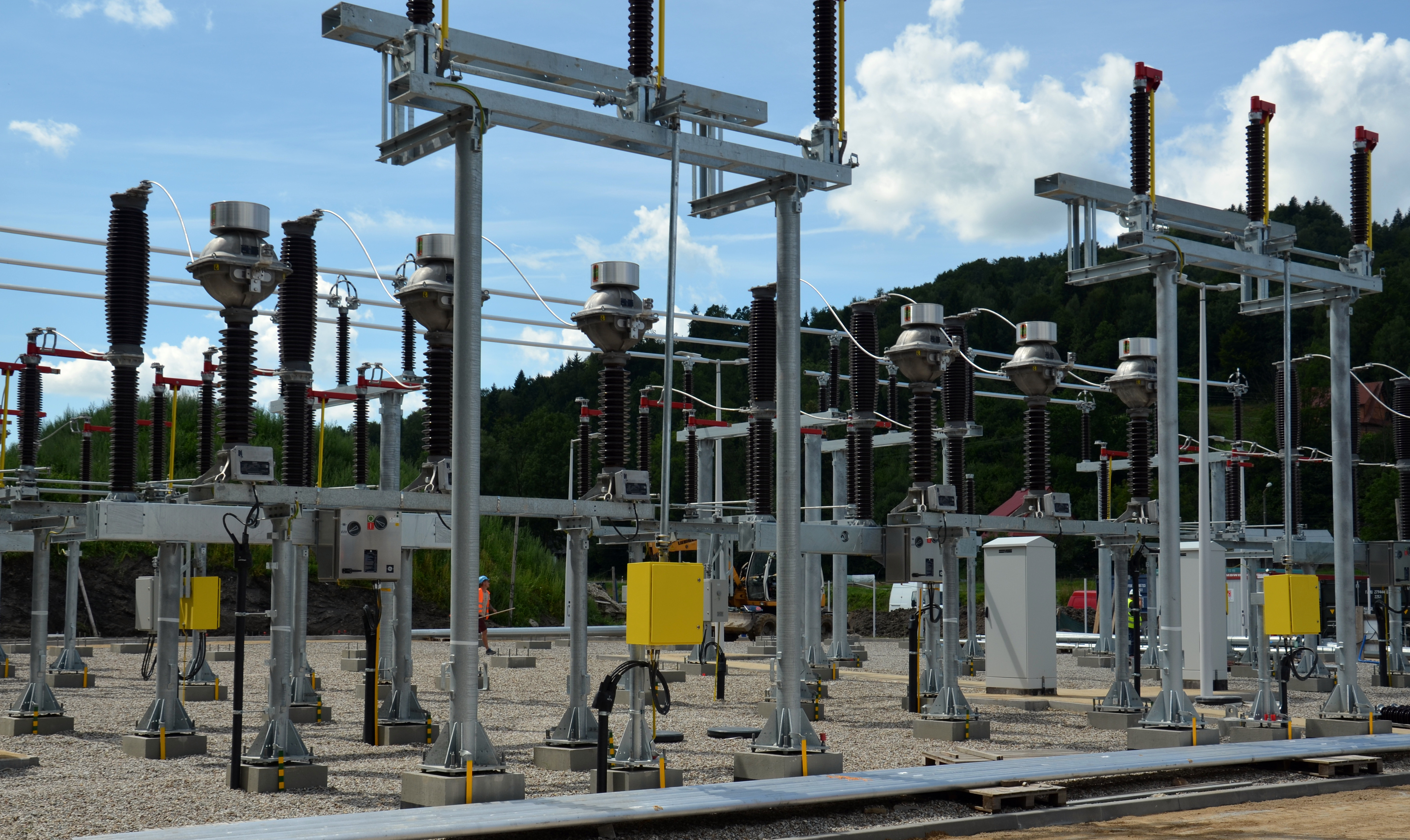
  • Improve grid planning to ensure coherence across system levels, reflect decarbonisation needs and anticipate future demand: Planning should be more forward-looking, coordinated and transparent, so infrastructure is built where it is needed for a net-zero system and for industrial sites and clusters to decarbonise and grow. 
  • Strengthen EU-level governance so the energy system delivers on climate, resilience and competitiveness: Governance arrangements should ensure transparent, science-based decisions with clear roles, accountability and progress tracking, so grid investments consistently align with EU climate targets and security of supply. 
  • Enable timely, fair and future-proof investment in grids: EU and national financing frameworks should accelerate cost-effective deployment of grids, flexibility and digitalisation, unlocking the highest system value for decarbonisation and ensuring that the benefits of low-cost renewables are accessible to all. 

Carbon Border Adjustment Mechanism (CBAM):  

  • Implement anti-circumvention measures that target misconduct, not genuine decarbonisation: Extending the CBAM to downstream products can help reduce carbon leakage and limit circumvention risks. However, targeted rules tackling resource shuffling must strictly focus on proven cases of malpractice in countries of origin, rather than penalising companies that decarbonise in response to the CBAM, an outcome that the Mechanism is designed to encourage.
  • Ensure a robust, integrity-driven methodology that reflects real emissions and close scrap loophole: rely on actual emissions wherever possible, with conservative defaults, proportional mark-ups, and full coverage of carbon-intensive precursors, such as pre-consumer scrap metal. 
  • Strengthen the methodology of indirect emissions and set a clear pathway for their swift inclusion across all sectors: Indirect emissions should be comprehensively covered using grid-based default values, with limited pathways to demonstrate lower footprints via genuinely renewable electricity. This protects EU industry from leakage while driving clean power uptake in exporting countries. 
  • Ensure export-CBAM measures genuinely drive global decarbonisation, are WTO compliant and protect decarbonising EU industry: CBAM revenues must be strictly channeled into real decarbonisation within and beyond the EU following criteria including climate impact, system effect, timing, scalability, and alignment with the Do No Significant Harm principle. 

Subscribe to our newsletter

Get our latest news

Stay informed