Focus area
Embodied Carbon

Focus area
Embodied Carbon
As the world transitions towards climate neutrality, it is important to decarbonise every part of the economy, including buildings.
Embodied carbon has become a critical topic in the building sector as it accounts for the carbon emissions associated with the production, transportation, and installation of building materials and products.
In short:
- Embodied carbon should be considered in measuring the decarbonisation of buildings and construction.
- Markets for low-carbon building materials should be facilitated and created through such tools as green public procurement.
Embodied carbon plays a significant role in the carbon footprint of buildings and construction. It refers to the carbon emissions associated with the entire lifecycle of building materials and products. Cement and steel are some of the most carbon intensive parts of the embodied emissions associated with buildings. These two materials alone are responsible for 7% (cement) and 8% (steel) of emissions globally.
«Embodied carbon’ refers to the CO₂ emissions of a building or infrastructure during its whole lifecycle, from extraction of raw materials to end-of-life, excluding the emissions associated with energy use.»

Irene Domínguez Pérez
Policy Manager, Embodied Carbon & Lead Markets
While previous efforts have focused on reducing operational carbon through increased energy efficiency and renewable energy, accounting for embodied carbon is equally important. In new buildings constructed according to the latest energy performance standards, embodied carbon could represent around 50% of the building’s whole lifecycle emissions. Therefore, efforts to reduce embodied carbon are essential in achieving climate targets and decarbonising the building and construction sectors.
Related focus areas


Projects related to focus area


Publications related to focus area
All publications


News related to focus area
All news
Press Release – The Commission Moves Away from Lowest Price, but What Counts as ‘Quality’?
Wednesday, September 9, 2026 – Brussels, Belgium Today, the European Commission proposed a new Public Procure...
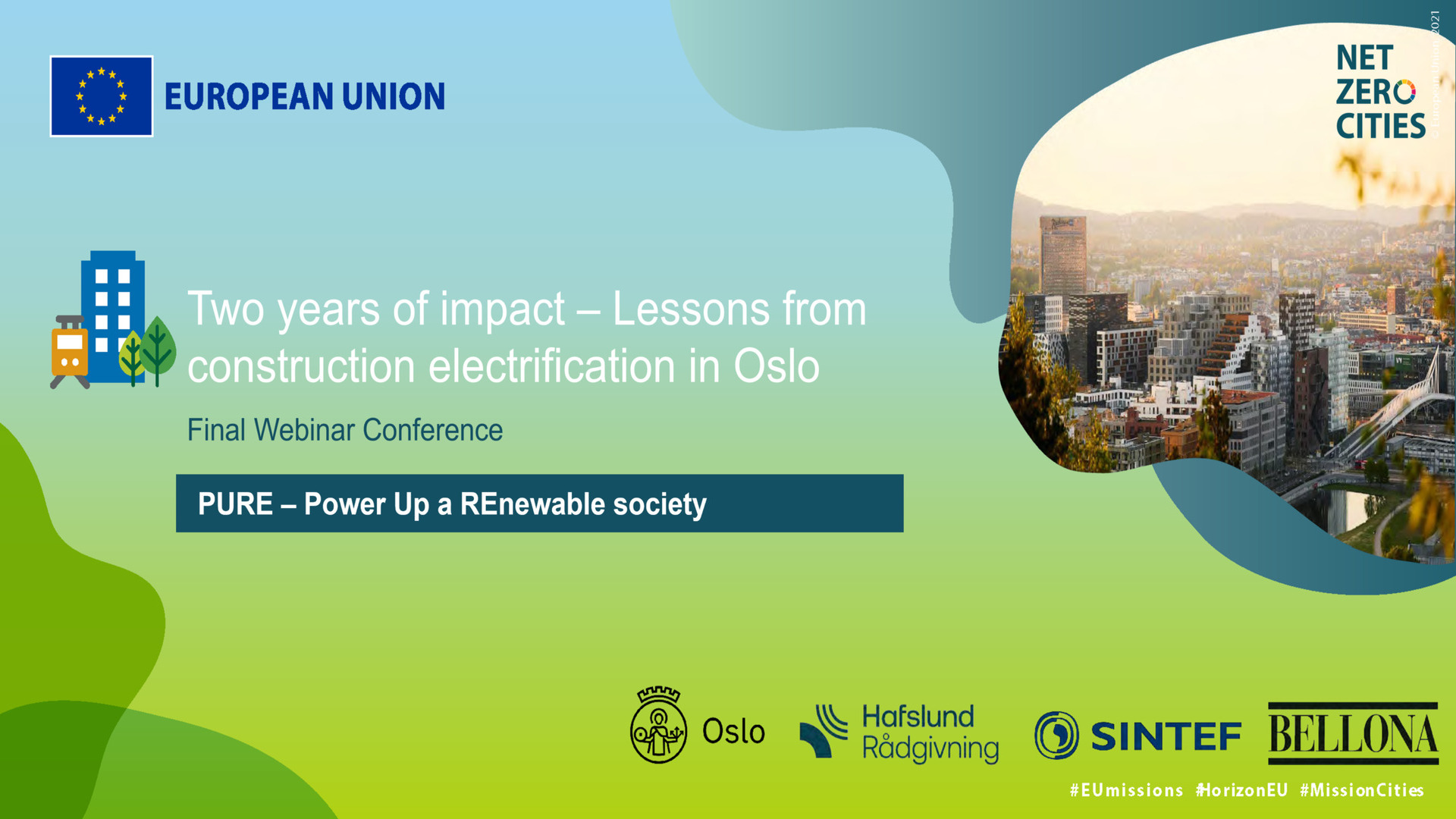
PURE: Two Years of Impact – Lessons from Construction Electrification in Oslo
On 19 March, Bellona Europa, Oslo’s Climate Agency, Hafslund Rådgivning, and SINTEF hosted the concluding conference of the Powering-Up a REnew...
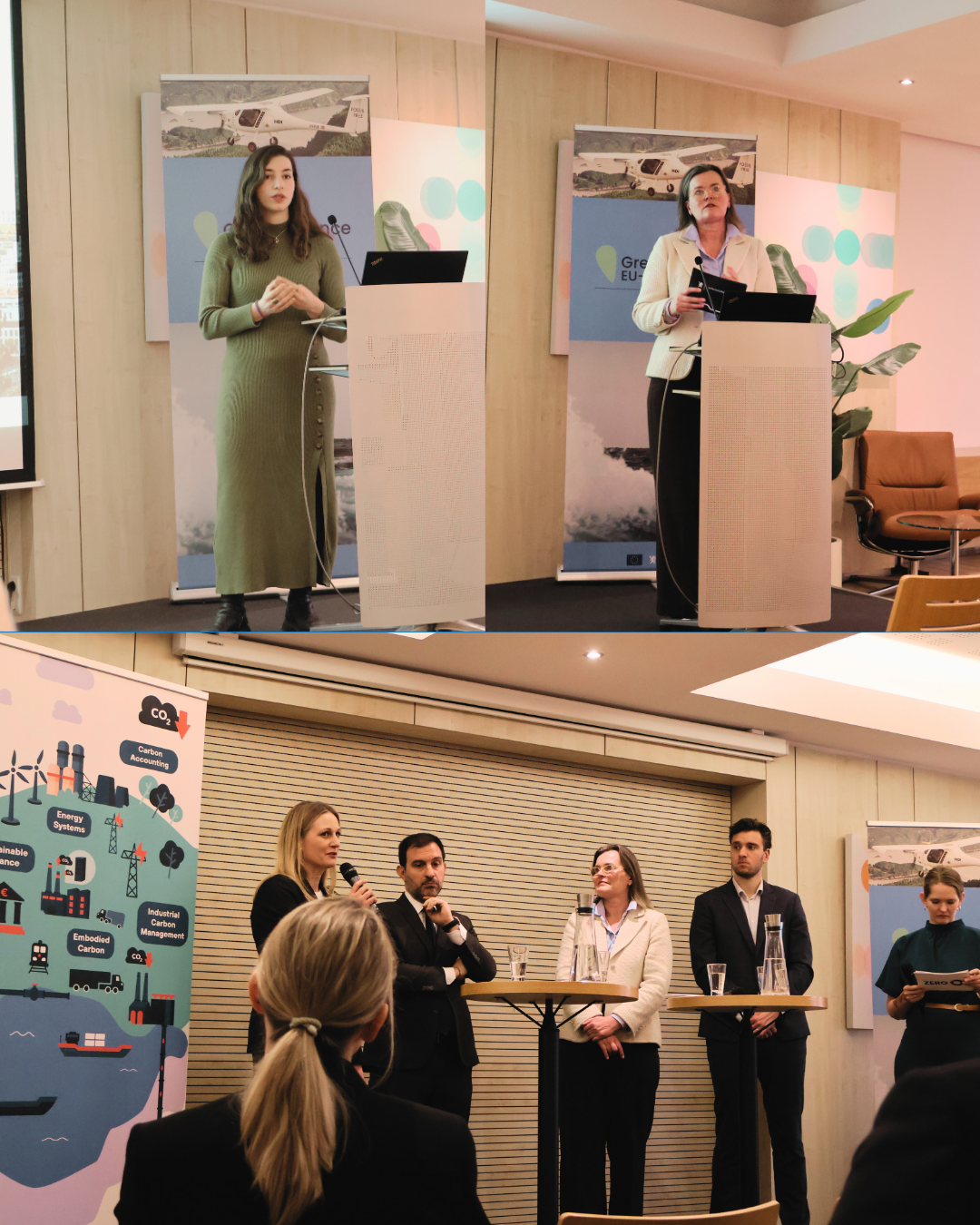
Public procurement as a transformation tool: lifting European machinery out of the fossil age
On 24 February 2025, Bellona Europa co-hosted a breakfast seminar at Norway House in Brussels alongside ZERO and the Mission of Norway to the EU, bringing together policymakers, manufacturers, and procurement practitioners around a single conviction: European cities hold a decisive and largely untapped lever for decarbonising construction. With the revision of the EU Public Procurement Directives on the horizon, the moment to use it is now.
Joint Statement on the upcoming proposal for an Industrial Accelerator Act
Ahead of the European Commission’s Industrial Accelerator Act proposal on February 25th, Bellona has joined 40 organisations from across indust...
The people involved




Subscribe to our newsletter
Get our latest news