
Joint letter – ICC reform and expansion risks diverting ETS Revenues from real climate action
In light of the European Commission’s ongoing considerations to amend the ETS State Aid Guidelines, revising the rules for Indirec...
News

Publish date: April 20, 2015
News
The Seoul Declaration sets nine future tasks and objectives on the basis of which some 1,200 ICLEI member cities will be preparing their action plans. These include the creation of a low-carbon city and reduction of greenhouse gas emissions; creation of a resilient city; creation of a resource-efficient and productive city; creation of an eco-mobile city; creation of a smart city; promotion of biodiversity across the city; creation of a happy, healthy and inclusive city; forging a sustainable local economy; and, finally, cooperation on public procurement and on forging a sustainable city region.
City-level climate action – momentum building
The adoption of the Seoul Declaration comes shortly after 30 European cities signed a declaration in Paris, committing themselves to use their collaborative purchasing power, amounting to approximately €10 billion a year, to buy eco-friendly products.
The ‘inter-governmental’ nature of the climate negotiations under the United Nations Framework Convention on Climate Change (UNFCCC) means that cities are not formally recognised in the process. This, however, should not prevent us from recognising that cities are an important part of the problem and can therefore play a crucial role in the solution to climate change. It is hoped that the Seoul Declaration-driven action plans will enable cities to make significant progress in the lead up to COP 21 in Paris, whilst putting pressure on national governments to reach a binding agreement.
‘Smart cities’ and ‘electromobility’ – two important concepts in the declaration
The declaration recognises cities as key drivers of the transition to a low-carbon, sustainable economy. Bellona is particularly pleased to see the document prioritising the uptake of environmentally sustainable urban mobility solutions. The declaration also commits its signatories to further enlarging and enhancing their activities under the EcoMobility Alliance.
Thanks to Bellona’s activist efforts, Norway saw the adoption of its first EV-friendly incentives in 1990 and today, 25 years later, it represents the country with the highest penetration of EVs in the world. Bellona sees EVs as one of the most promising technologies for improving local air quality, reducing CO2 emissions, and boosting energy security (read more here).
The declaration text further notes that investment will be encouraged in smart urban infrastructure, smart governance, information and communication technologies (ICT), performance measurements, indicators and standardisation, sustainable construction and planning, and promoting local renewables.
In light of the European Commission’s ongoing considerations to amend the ETS State Aid Guidelines, revising the rules for Indirec...
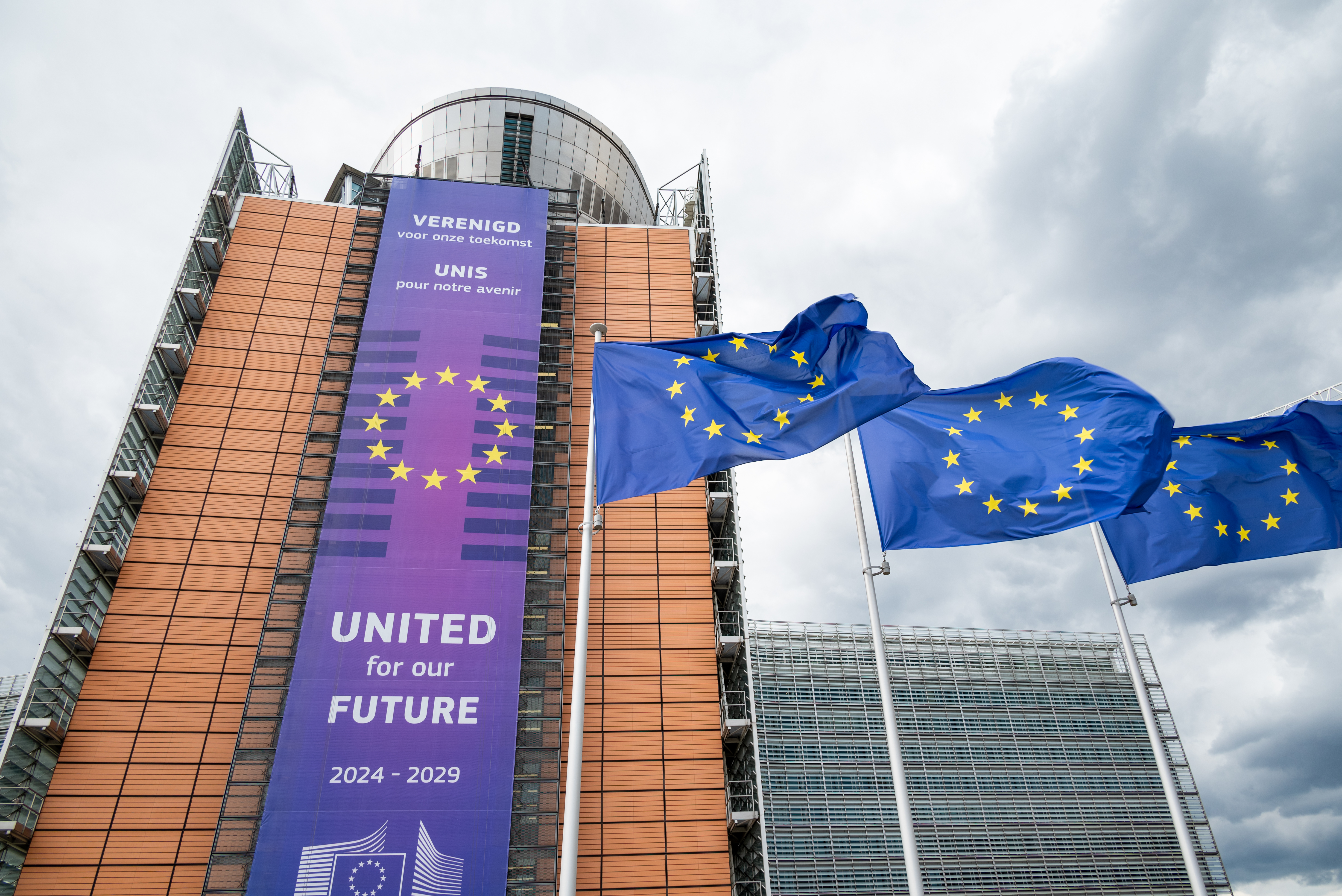
Wednesday, September 16, 2026 – Brussels, Belgium Recognising the existence of climate change impacts i...

Wednesday, September 9, 2026 – Brussels, Belgium Today, the European Commission proposed a new Public Procure...

Co-authored by: Amélie Laurent, Bellona Europa and Kenneth Möllersten, IVL Swedish Environmental Re...

By Enrico Cipelli Alves, Policy Advisor, Sustainable Markets & CCS Published in Revolve This year’s Strait of Hormuz disruption&...
Get our latest news