
Joint letter – ICC reform and expansion risks diverting ETS Revenues from real climate action
In light of the European Commission’s ongoing considerations to amend the ETS State Aid Guidelines, revising the rules for Indirec...
News
Publish date: May 11, 2006
News
In year 2030, Gazprom will have as much as 17,1 trillion cubic meter of gas reserves on the shelf, Podyuk believes. According to him, gas accounts for about 80 percent of all Russian offshore hydrocarbons, and that most of it is located in the Barents Sea and in the Kara Sea.
Until 2010, the Western Siberia, Timano-Pechora province and the Caspian area will be the company’s main exploration regions. From 2011-2020, the main areas will be the Arctic shelf, the Okhotsk Sea, the Krasnoyarsk region, Irkutsk Oblast, Sakha-Yakutia and Sakhalin, BarentsObserver reports. In the longer perspective, the Arctic parts of Western Siberia, the Eastern Siberia and the Arctic Sea will be given priority, Podyuk said.
In light of the European Commission’s ongoing considerations to amend the ETS State Aid Guidelines, revising the rules for Indirec...
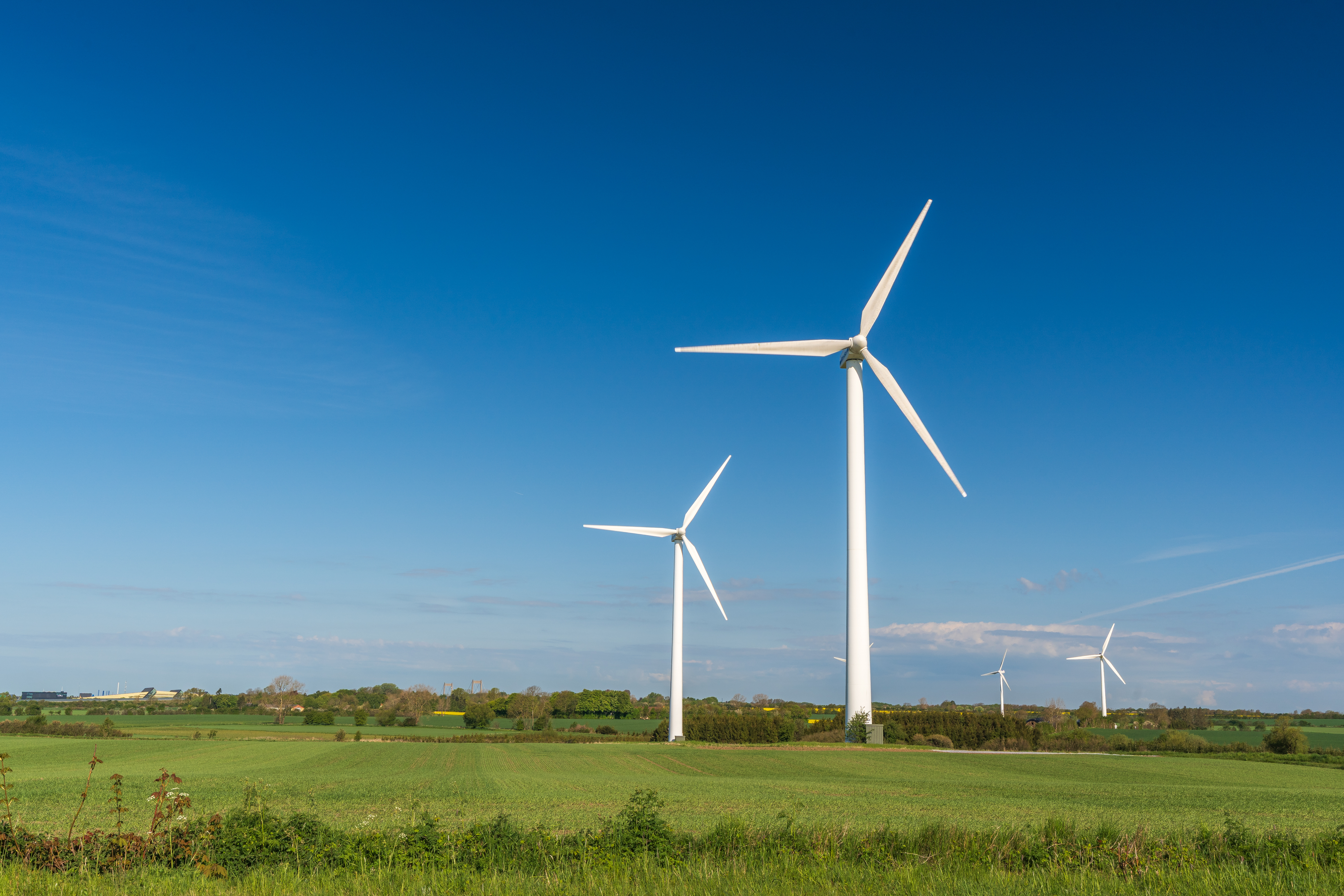
This year, the European Commission has committed €3.4 billion in grants from the Innovation Fund. Financed through revenues from the EU’s Emission Tr...

By Linda Zarai, Policy Advisor, Clean Construction On September 23, Oslo City Council adopted a local resolution that extends the zero-emission co...
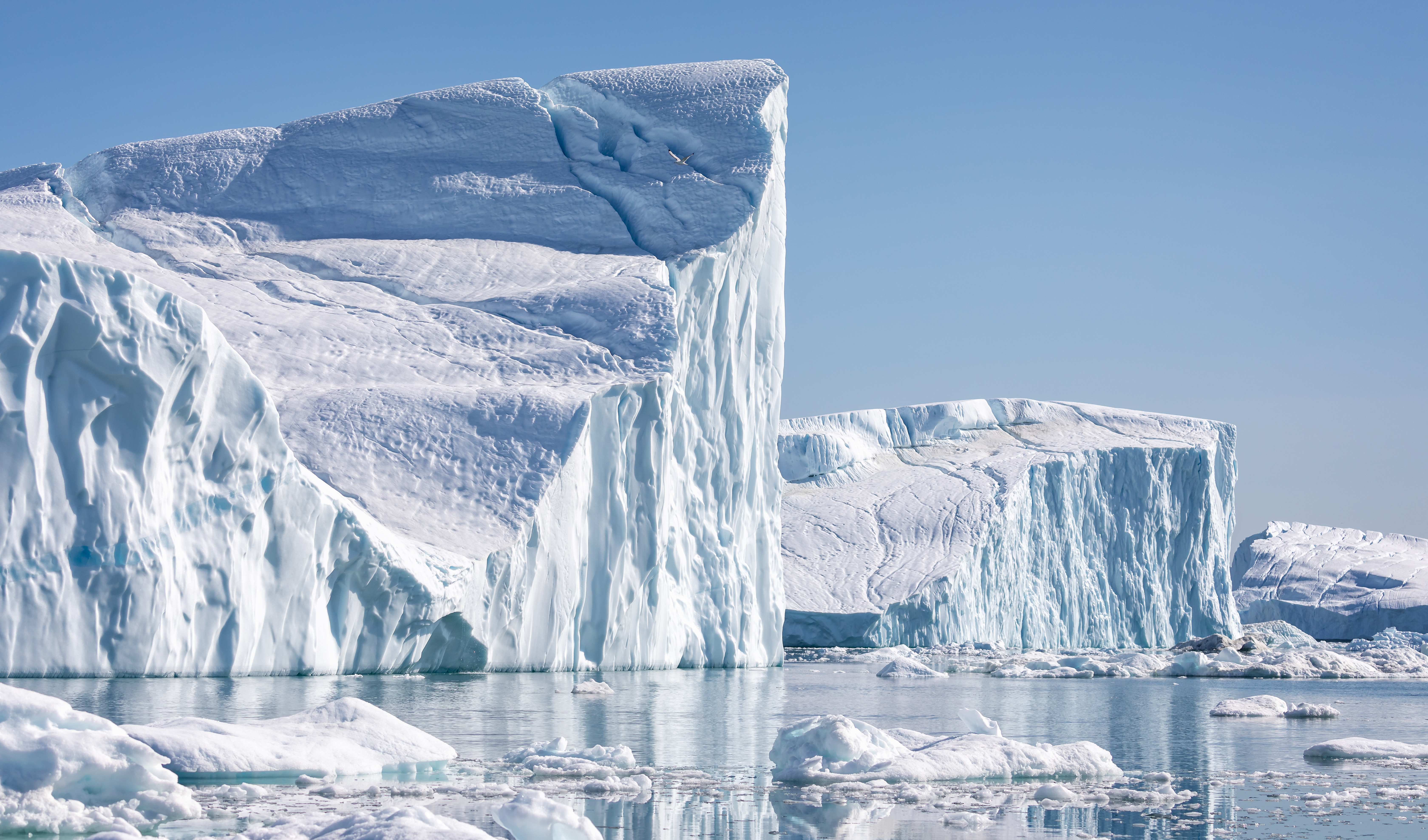
Wednesday, October 21, 2026 – Brussels, Belgium The European Union has published its new Arctic Strategy, and it is good news for the climate. One...

By Carl Emil Meier, Policy Advisor, Nordics Denmark is widely recognised as a pioneer in wind energy, which remains one of Europe’s key drivers of...
Get our latest news