
Joint letter – ICC reform and expansion risks diverting ETS Revenues from real climate action
In light of the European Commission’s ongoing considerations to amend the ETS State Aid Guidelines, revising the rules for Indirec...
News

Publish date: June 17, 2024
News
Bellona, together with other 29 members of the industrial carbon management community and umbrella organisations, express its support to the inclusion of an Important Project of Common European Interest (IPCEI) in the area of industrial carbon management and in particular CO2 capture, removal, utilisation, transport and storage in the next IPCEI round.
️Industrial carbon management has been recognised as a necessary element in reaching the European Union’s goals for climate neutrality, as well as in helping decarbonise production processed in industrial sectors critical to the European economy, as emphasised by the Commission’s Industrial Carbon Management Strategy (ICMS) and the Net Zero Industry Act (NZIA).
The lack of viable business cases and de-risking mechanisms constitute a major obstacle in the development of industrial carbon management in Europe. IPCEIs have a proven track record of accelerating industrial production and unlocking private investment in strategic sectors. The large, cross-border nature of CCUS projects makes the IPCEI instrument well-suited to support infrastructure investments critical for the EU’s climate and industrial goals.
Read the full letter below.
In light of the European Commission’s ongoing considerations to amend the ETS State Aid Guidelines, revising the rules for Indirec...
This year, the European Commission has committed €3.4 billion in grants from the Innovation Fund. Financed through revenues from the EU’s Emission Tr...
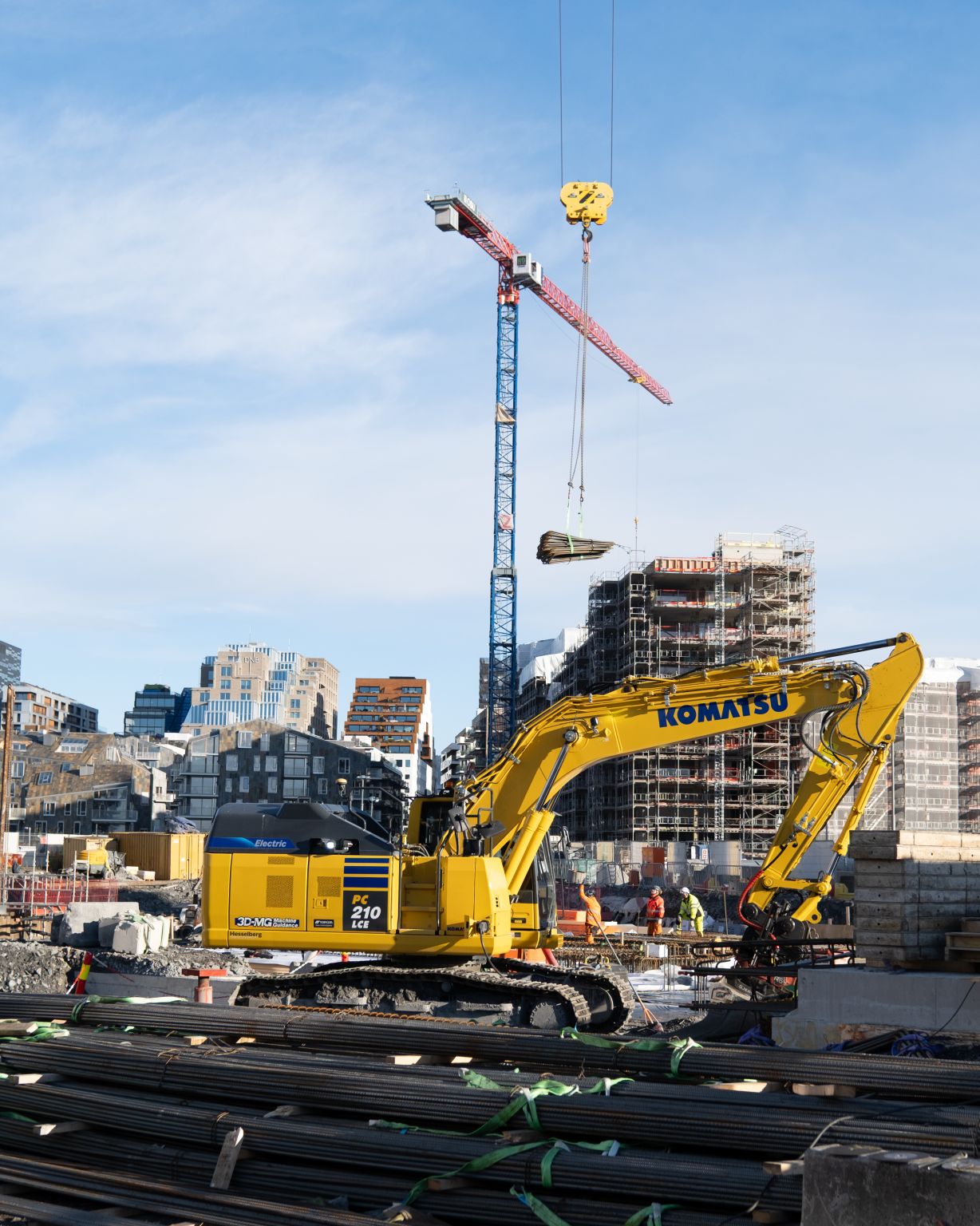
By Linda Zarai, Policy Advisor, Clean Construction On September 23, Oslo City Council adopted a local resolution that extends the zero-emission co...

Wednesday, October 21, 2026 – Brussels, Belgium The European Union has published its new Arctic Strategy, and it is good news for the climate. One...

By Carl Emil Meier, Policy Advisor, Nordics Denmark is widely recognised as a pioneer in wind energy, which remains one of Europe’s key drivers of...
Get our latest news