
Joint letter – ICC reform and expansion risks diverting ETS Revenues from real climate action
In light of the European Commission’s ongoing considerations to amend the ETS State Aid Guidelines, revising the rules for Indirec...
News
Publish date: November 10, 2008
News
According to Major, the maritime transport issue has been taken seriously enough in the fight against CO2 emissions that a proposition was made to put it on the agenda at the United Nations Framework Convention on Climate Change (UNFCCC) at the Copenhagen Climate Conference in 2009.
However, Major admitted doubts on the IMO process to regulate green house gas emissions from shipping. IMO regulations “will take at least another decade to be implemented,” he said, as no mandatory decision has been made yet. He added that “starting late costs even more money”.
The problem lies in the difficulty encountered in having all the actors around the table at the same time. Certain large emissions producers, such as China, Brazil, India and South-Africa stepped out of the negotiations and postponed all the meaningful talks until 2010 because they refuse to apply the IMO regulations to ships of all flags. Instead, they want to apply the UNFCCC/Kyoto principle of common but differentiated responsibilities (CBDR). According to those countries, a deviation from CBDR at IMO may have negative consequences for UNFCCC negotiations.
“Pressure from the European Union is very welcome, and was a key success factor when IMO succeeded in strengthening emission limits for sulphur and NOx from shipping earlier this year,” said Konrad Pütz, a transport policy expert with the Bellona Foundation. “Even though the greenhouse gas matter is far more complex and highly politicised, European pressure may prove valuable here also.”
Major insisted that Europe was the leader in the fight against climate change, and that different propositions were now being studied by the European Commission. “The most promising at the time would probably be to include maritime transport in the EU ETS”, or Emissions Trading Scheme, said Jasper Faber, and economist with CE Delft. According to Faber, this solution would be the most cost-effective at the moment, but would not be enough.
All the speakers underlined the importance of having a positive message from the shipping and fishing industries. They must sit at the negotiations table with all the countries, not only Europe, as reaching the target requires rapid action and every actor’s participation.
This report was written by Edwige Jamotte.
In light of the European Commission’s ongoing considerations to amend the ETS State Aid Guidelines, revising the rules for Indirec...
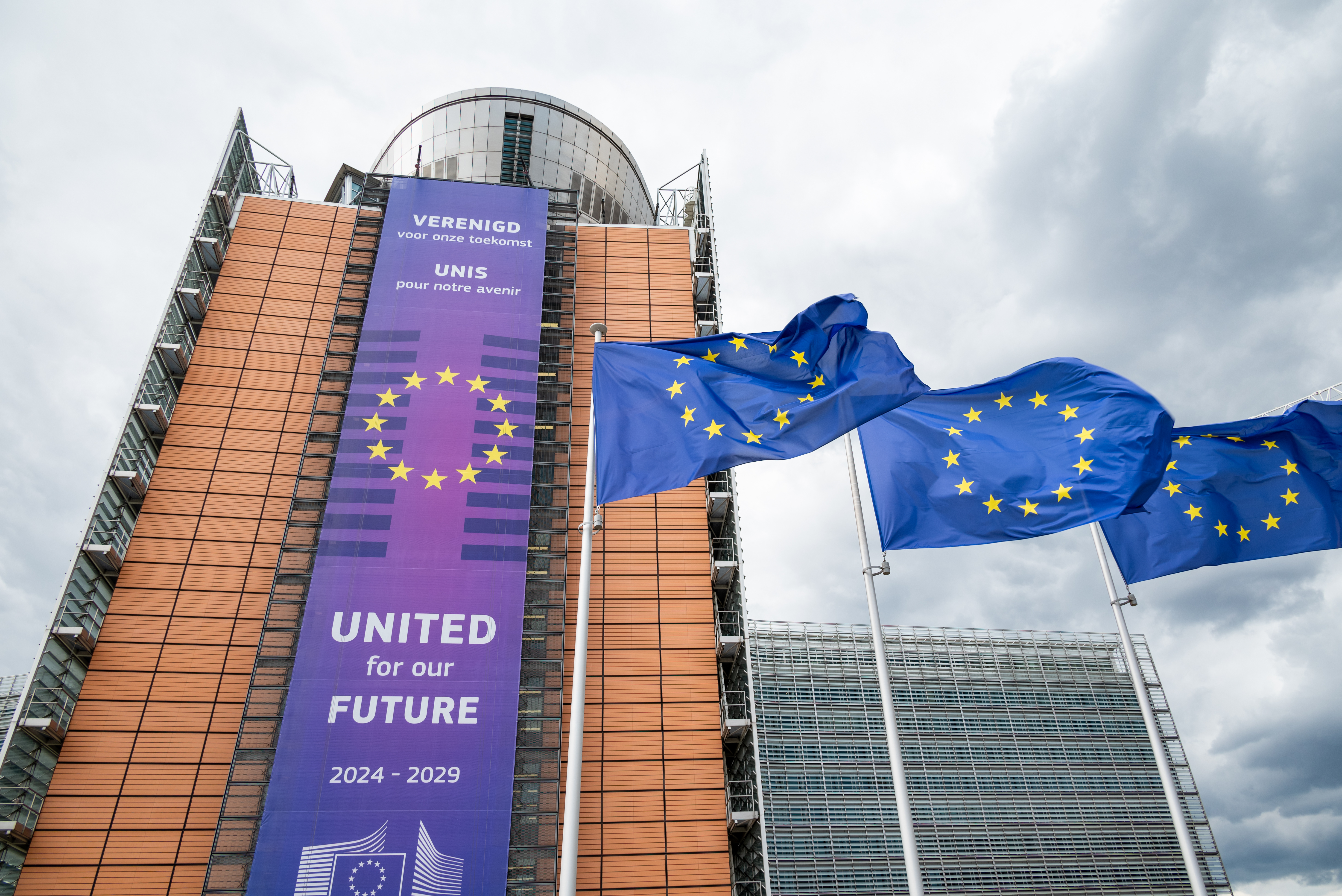
Wednesday, September 16, 2026 – Brussels, Belgium Recognising the existence of climate change impacts i...
Wednesday, September 9, 2026 – Brussels, Belgium Today, the European Commission proposed a new Public Procure...

Co-authored by: Amélie Laurent, Bellona Europa and Kenneth Möllersten, IVL Swedish Environmental Re...

By Enrico Cipelli Alves, Policy Advisor, Sustainable Markets & CCS Published in Revolve This year’s Strait of Hormuz disruption&...
Get our latest news