
Joint letter – ICC reform and expansion risks diverting ETS Revenues from real climate action
In light of the European Commission’s ongoing considerations to amend the ETS State Aid Guidelines, revising the rules for Indirec...
News
Publish date: May 4, 2010
News
The EU Restriction of the Use of Certain Hazardous Substances in Electrical and Electronic Equipment Regulations 2008 (RoHS) bans the placing on the EU market of new electrical and electronic equipment containing more than agreed levels of lead, cadmium, mercury and other toxics. The EU Waste Electrical and Electronic Equipment Directive (WEEE Directive) imposes the responsibility for the disposal of electrical and electronic equipment on the manufacturers of such equipment. Both Directives are currently under revision at the European Parliament.
Today, approximately percent of the market of thin-film, photovoltaic (PV) panels used for solar power generation contain cadmium telluride, cadmium being a highly toxic compound. Japan and the EU have already prohibited the sale of most products containing cadmium for health and safety reasons.
The current debate in Brussels is whether or not to define PV panels as electrical or electronic equipment, and thus whether or not force PV panel producers to comply with the rules of the directives.
In order to reach a carbon neutral economy in the EU, renewable energies including solar must be pushed forward through EU and member state legislation.
Exempting PV panel producers or other renewable energy producers from RoHS could unnecessarily create a new problem, namely spreading highly toxic chemicals. In addition, cadmium and tellurium are limited natural resources, which at some point will run out. This creates an additional long-term problem.
Cadmium waste management also poses a problem, given that no voluntary agreement exists amongst industry within the EU for a common recycling scheme.
This is exacerbated by the fact that the actual end-of-life – at which point cadmium would no longer pose an environmental of health hazard – is unknown. The expected life is of 25 years, but recent studies have shown this figure to be an underestimation.
Bellona, together with other NGOs and a big part of the industry wants a so-called “open scope”. Open scope implies that for a product not to be under the regulations, it will need a specific exemption, thus becoming a more comprehensive piece of legislation.
“Since PV panels can also be produced without containing the toxics regulated by RoHS, such as silicon, European politicians should create incentives for the solar industry to develop and deploy the cleaner technologies. Tone Knudsen from Bellona says.
“In fact, industrial players representing the main part of the solar panel market today say that they can and want to be under the hazardous waste regulations, RoHS and WEEE. So how can it make sense to open the market up for PV panels containing toxics?” She asks.
Please download Bellona’s position paper to the right.
In light of the European Commission’s ongoing considerations to amend the ETS State Aid Guidelines, revising the rules for Indirec...
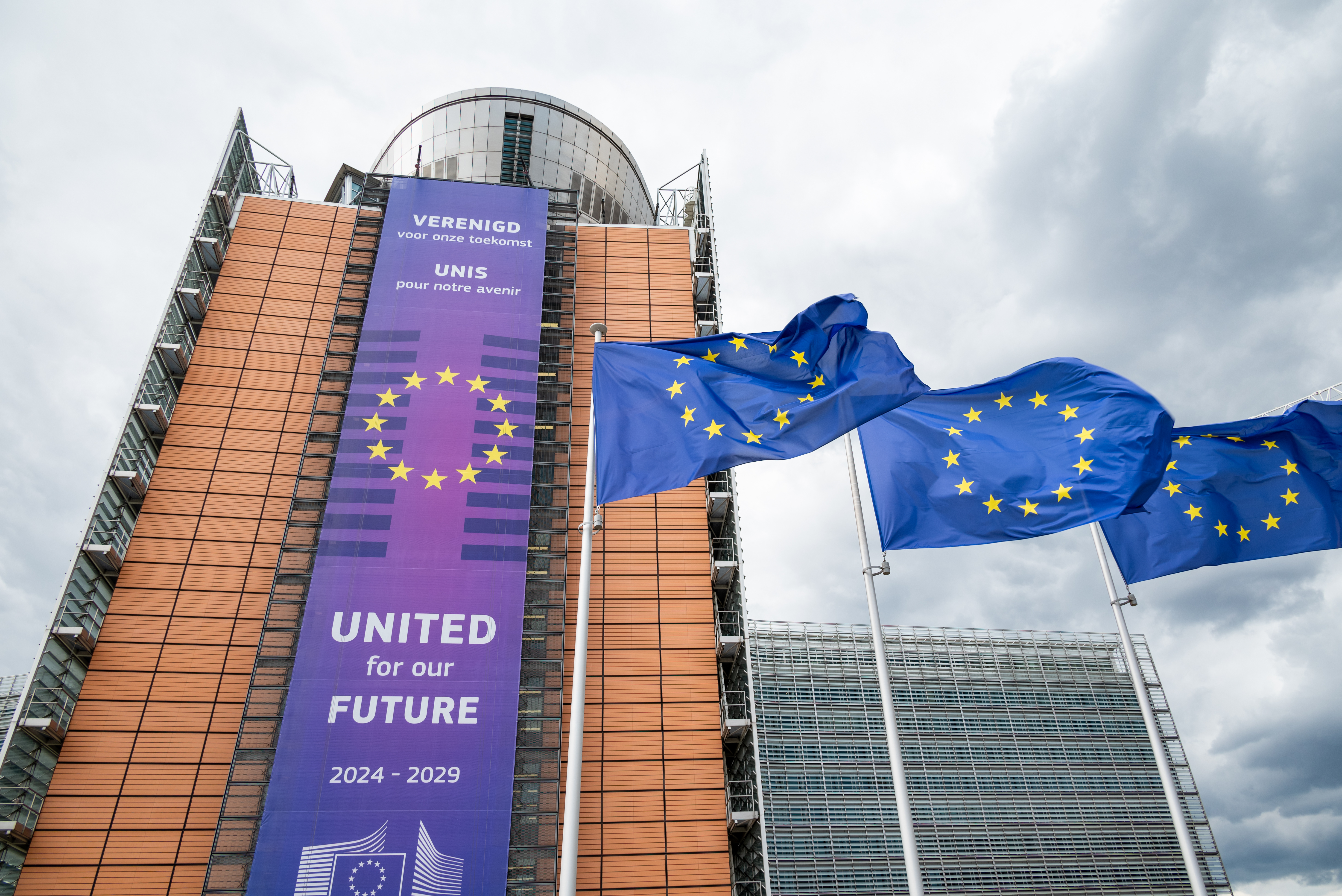
Wednesday, September 16, 2026 – Brussels, Belgium Recognising the existence of climate change impacts i...

Wednesday, September 9, 2026 – Brussels, Belgium Today, the European Commission proposed a new Public Procure...

Co-authored by: Amélie Laurent, Bellona Europa and Kenneth Möllersten, IVL Swedish Environmental Re...

By Enrico Cipelli Alves, Policy Advisor, Sustainable Markets & CCS Published in Revolve This year’s Strait of Hormuz disruption&...
Get our latest news