
Joint letter – ICC reform and expansion risks diverting ETS Revenues from real climate action
In light of the European Commission’s ongoing considerations to amend the ETS State Aid Guidelines, revising the rules for Indirec...
News
Publish date: October 21, 2026
News
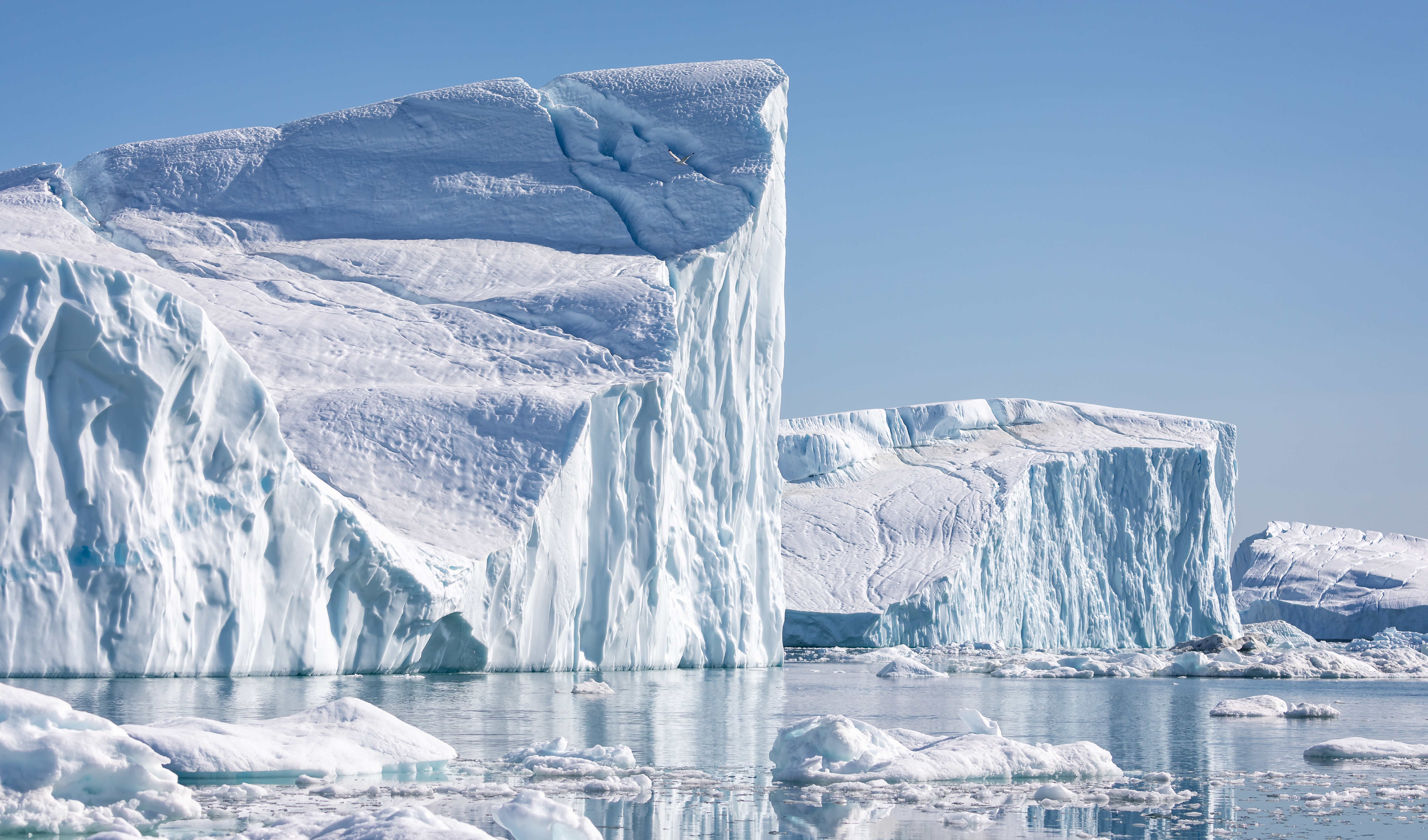
The European Union has published its new Arctic Strategy, and it is good news for the climate. One of the strategy’s four main pillars is “responding to accelerating climate change”, and it does so by reaffirming commitments to the overall 90% by 2040 climate goal, keeping Arctic oil and gas in the ground, and introducing a range of new initiatives that may benefit the climate and protect the Arctic.
Key takeaways:
«It is excellent that the new Arctic strategy reaffirms commitment to the 2021 line for climate and for keeping Arctic oil and gas in the ground, and we are especially happy to see recognition of black carbon and Arctic shipping effects, which we have long called for. However, it is unclear whether this renewed commitment also refers to the ban on buying Arctic hydrocarbons, which may leave room for backsliding.»

Carl Emil Meier
Policy Advisor, Nordics
«The strategy is based on the assumption that climate change opens the Arctic for shipping, although it is not that simple. Less ice does not mean no ice and easier navigation. Arctic waters will always require a special approach and should not be used for commercial transit shipping.»

Ksenia Vakhrusheva
Project Manager, Arctic project advisor
«In a geopolitically tense Arctic, oil and gas extraction can never be risk free and will always constitute a threat to the Arctic ecosystems. The only way to permanently avoid that threat is to avoid Arctic oil and gas extraction entirely.»
Carl Emil Meier
Policy Advisor, Nordics
The EU has three member states with Arctic territory and has stressed that as the ice melts and the Arctic opens for shipping, resource extraction, and geopolitical competition, the EU must increase the depth of its policy there.
As an organisation that has been working on the Arctic for decades, Bellona Europa commends the Commission for reaffirming commitment to keeping Arctic oil and gas in the ground, and for finally giving attention to the specific climate and ecosystem risks associated with the Arctic, such as black carbon and oil spills.
Bellona Europa has long highlighted the risks of Arctic shipping and oil spills, which were emphasized by an oil spill from an aging Russian shadow fleet tanker in the black sea, that regularly travelled via the North Sea Route. However, the strategy’s emphasis on emerging Arctic shipping routes and traffic may be misplaced, as most of the increased traffic in recent years comes from Russia selling its LNG and oil to China via the northern sea route. The Commission will also address black carbon emissions, which is a major contributor to global warming and which Bellona Europa has advocated for mitigating.
The text emphasizes that the EU will, in line with the 2021 arctic strategy, work to keep Arctic oil and gas in the ground, and that is undoubtedly a win for the climate. However, it is unclear whether this also extends to the 2021 strategy’s ban on buying Arctic hydrocarbons, which may leave room for future backsliding.
The same passage states that the Commission will work with partners to prevent all hydrocarbon reserve development that poses a threat to the Arctic ecosystem, but it does not define such a threat in the strategy.
That wording opens the door for developers to claim that their oil and gas extraction poses no threat to Arctic ecosystems, which risks turning Arctic oil and gas extraction into a project-by-project fight. However, one must look no further than Ukraine to see that energy infrastructure is struck regularly in conflict, and it is therefore easy to conclude that Arctic oil and gas can never be risk free under the current geopolitically tense conditions.
Overall, the strategy is ambitious on climate and seeks to tackle many important subtopics which were overlooked before, such as Arctic shipping, black carbon, and oil spills. Whilst reaffirming commitment to keeping Arctic oil and gas in the ground is a strong move, it comes with the caveat that the ban from the 2021 strategy on buying Arctic hydrocarbons, is now uncertain. There is also a looming standoff between developers claiming their Arctic oil and gas poses no risk to Arctic ecosystems, and those who would oppose the feasibility of such a claim.
Contact:
Jørgen Brekke
Communications Assistant
Jorgen@bellonaeuropa.eu
In light of the European Commission’s ongoing considerations to amend the ETS State Aid Guidelines, revising the rules for Indirec...
By Carl Emil Meier, Policy Advisor, Nordics Denmark is widely recognised as a pioneer in wind energy, which remains one of Europe’s key drivers of...
Ahead of the October Environment and Energy Council meetings, the Coalition for Higher Ambition (HAC) is calling on EU Member States to support a rob...

Ahead of the European Commission’s post-2030 energy framework proposal expected by the end of the year, we, joined by more than 90 industry ass...
Wednesday, September 16, 2026 – Brussels, Belgium Recognising the existence of climate change impacts i...
Get our latest news