
Joint letter – ICC reform and expansion risks diverting ETS Revenues from real climate action
In light of the European Commission’s ongoing considerations to amend the ETS State Aid Guidelines, revising the rules for Indirec...
News
Publish date: November 10, 2008
News
To achieve these goals, Finland plans to elevate it’s domestic energy production by using nuclear energy, the Barents Observer reported.
Implementation of the plan presented by the Finnish government last week might ratchet down energy imports from Russia. State financing of the climate and energy sector grew from €350 million in 2007 to €440 million in 2008 and will reach €550 million by 2009.
Finland is planning to fortify it’s own generating position in order to deal with peak loads and possible interruptions in imported energy. In building its own energy production, preference will be given by Finland to electric stations that do not emit greenhouse gasses or at least have low greenhouse gas emissions – plants like central thermo-electrical terminals working on renewable fuels, as profitable and ecologically acceptable variants of hydro- and wind energy parks, the Finnish government said in a press statement.
This also means that there will be more reliance on nuclear energy, said Finnish Economic Affairs Minister, Mauri Pekkarinen, in an interview with the Finnish daily Helsingin Sanomat.
The strategic task will be to limit the growth of demand on finite energy sources by 310 terawatts, which is equivalent to the current level of demand. The portion of energy produced by renewable sources is to grow to 38 percent with reinforced support and enhanced management systems. In addition to existing investment in nuclear energy, a significant expansion in energy produced by the logging industry wastes, biogases and the application of thermal pumps and wind energy installations is predicted.
In light of the European Commission’s ongoing considerations to amend the ETS State Aid Guidelines, revising the rules for Indirec...
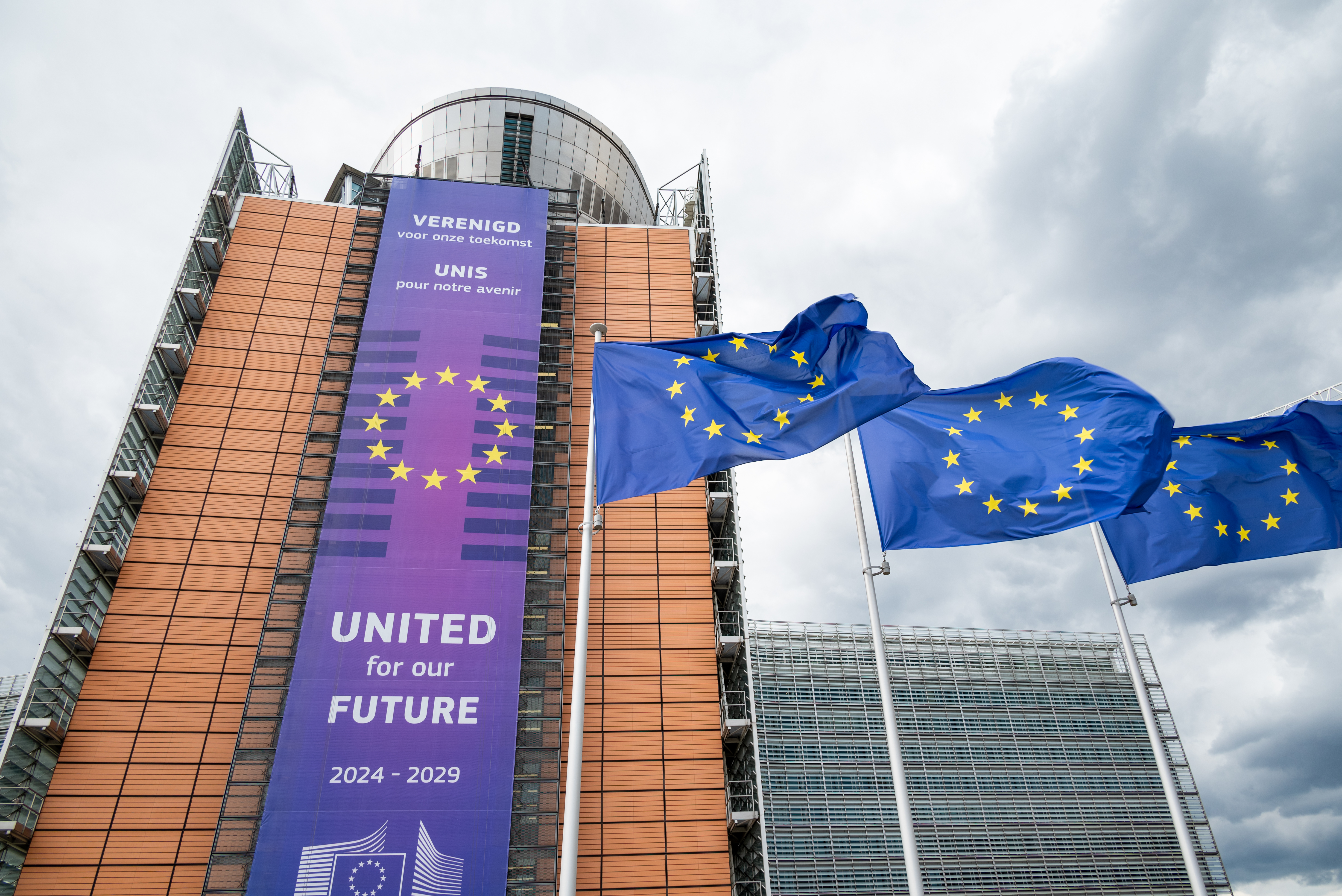
Wednesday, September 16, 2026 – Brussels, Belgium Recognising the existence of climate change impacts i...
Wednesday, September 9, 2026 – Brussels, Belgium Today, the European Commission proposed a new Public Procure...

Co-authored by: Amélie Laurent, Bellona Europa and Kenneth Möllersten, IVL Swedish Environmental Re...

By Enrico Cipelli Alves, Policy Advisor, Sustainable Markets & CCS Published in Revolve This year’s Strait of Hormuz disruption&...
Get our latest news